

 En
En  Español
 中文简体
中文简体
Submit feedback
Industry News

What Are the Quality Requirements for High Quality Raffia Straw Hats?
 2026.01.28
 Industry News
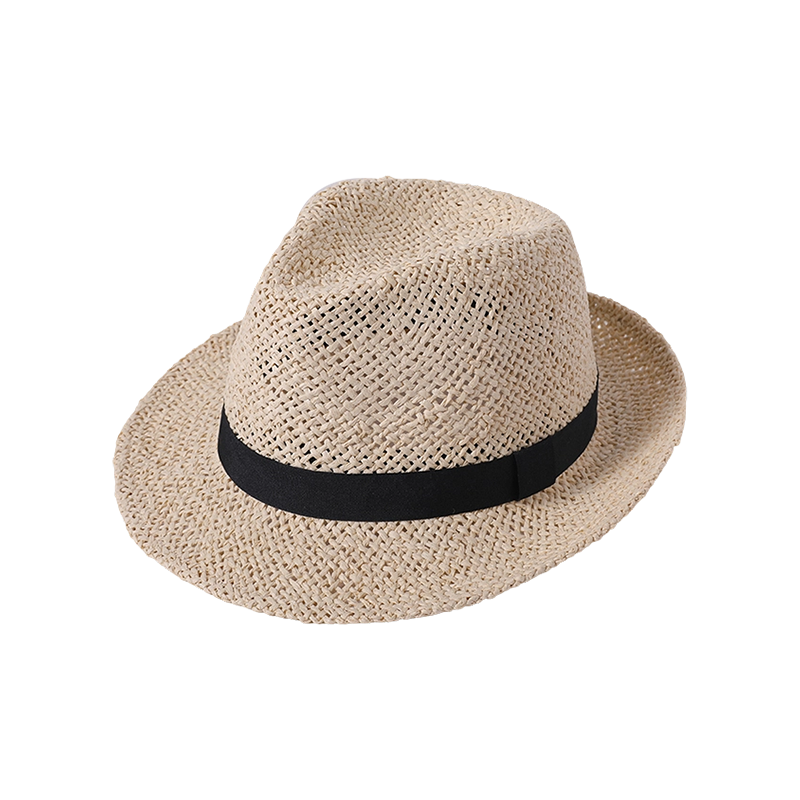
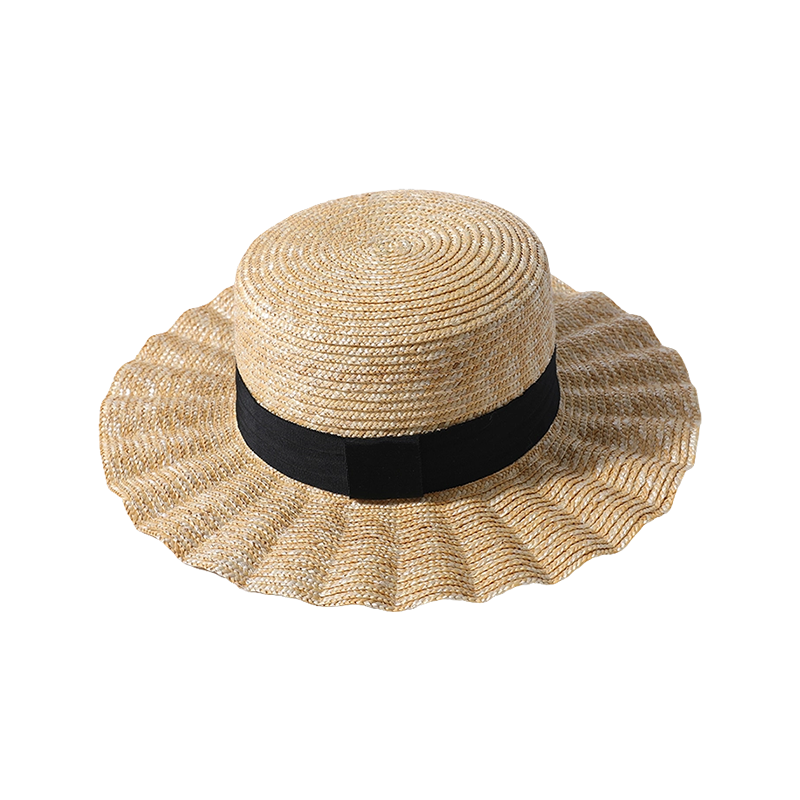
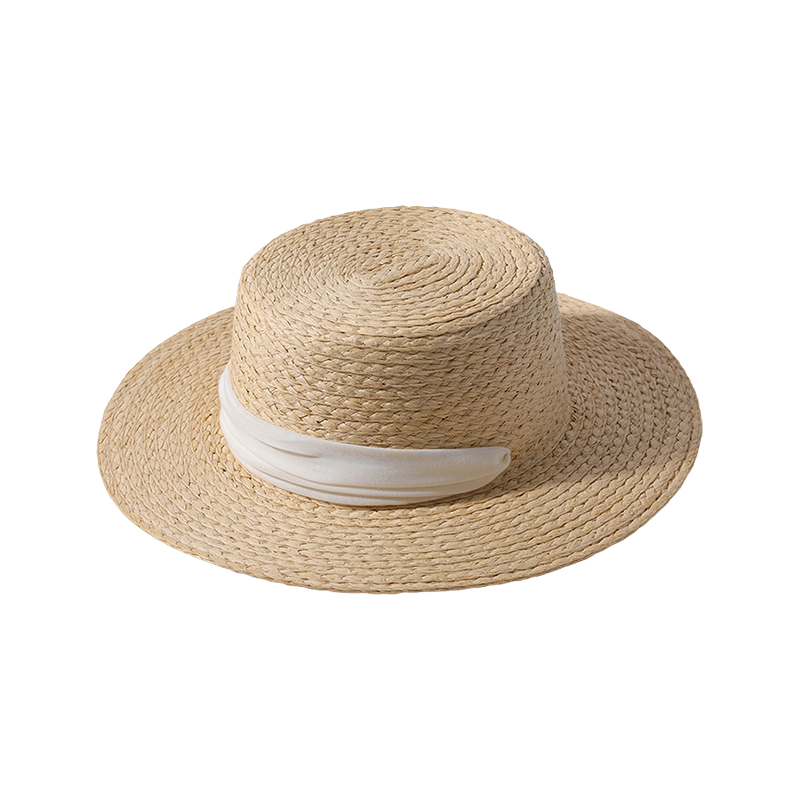
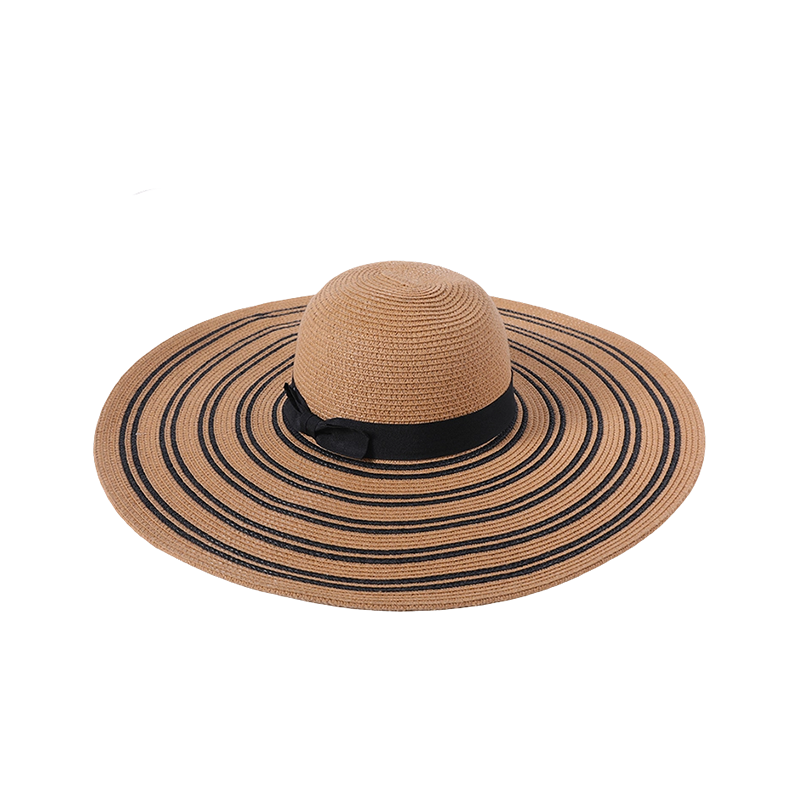
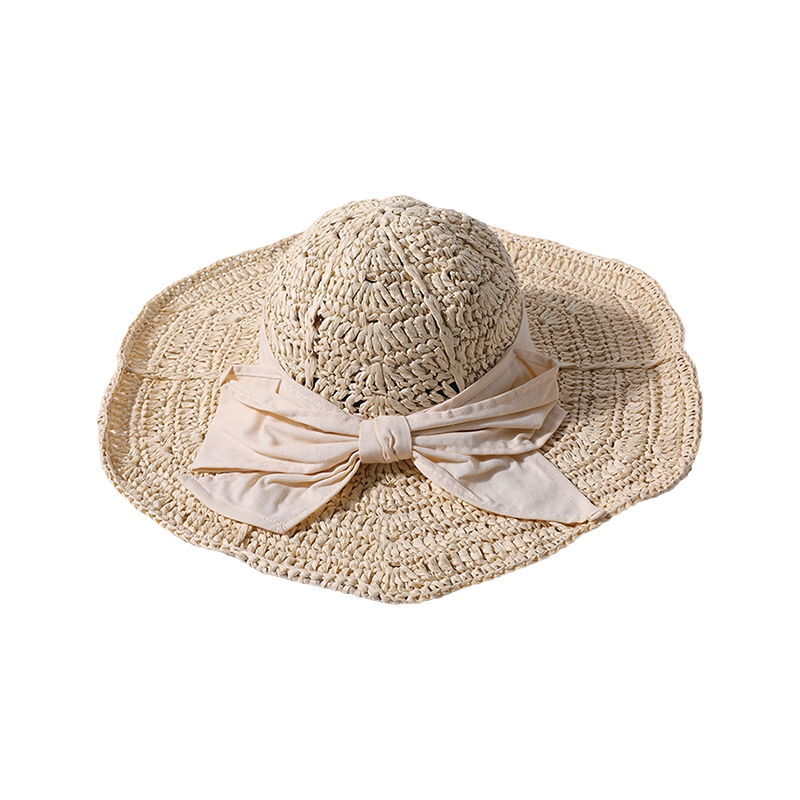
Raffia straw hats wholesale are valued for their combination of natural material, artisanal craftsmanship, and functional appeal. Distinguishing a hat of notable quality from an ordinary one involves assessing specific, tangible attributes rather than relying on vague claims of superiority. Similarly, ensuring the hat's longevity requires a maintenance approach informed by an understanding of its material nature.
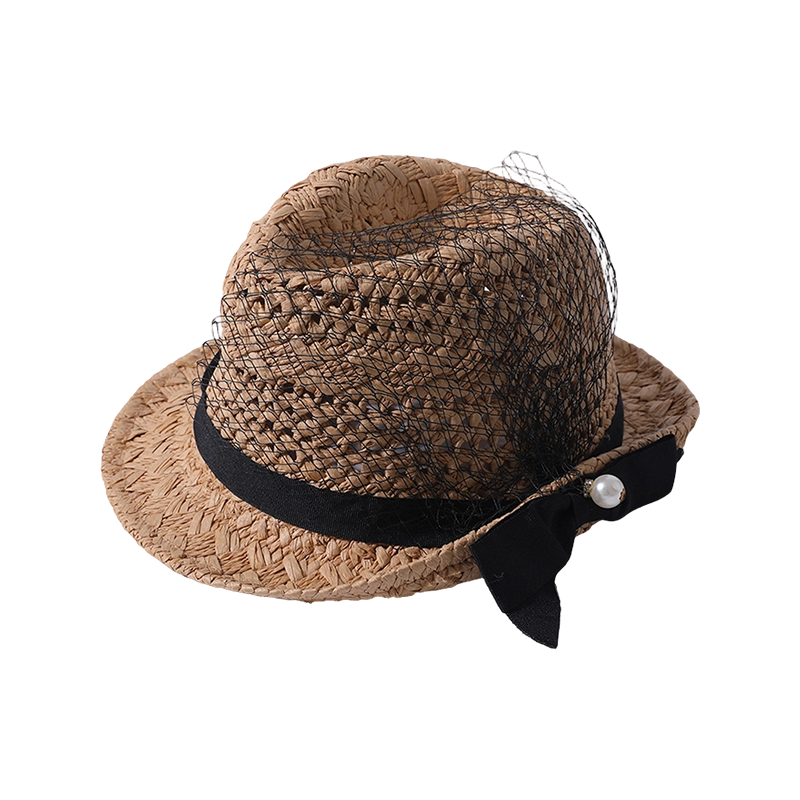
Identifying Quality in Construction and Material
The quality of a raffia hat is established at the point of its creation, evident in the material selection and the techniques used in its assembly.
- Material Integrity: The foundation of a good hat is its raw material. Quality raffia is derived from the mature leaves of the raffia palm, processed to achieve balance between strength and pliability. Strands should exhibit consistency in width and color, with a natural, subdued sheen. The fiber should feel substantial yet flexible, not brittle or overly stiff. A uniform, natural hue—ranging from pale cream to a warm honey tone—often indicates careful drying and aging, whereas stark whiteness or uneven dye can suggest harsh chemical processing that may weaken the fibers over time.
- Craftsmanship and Structure: The construction methods reveal the skill invested in the hat.
- Weave Density and Uniformity: The weave should be even and consistent throughout. There should be no significant gaps or tight puckers in the stitching or plaiting. A firm, dense weave contributes to the hat's shape retention and durability, while a loose, irregular weave may lead to premature deformation.
- Shape and Symmetry: The hat's form should be symmetrical when viewed from the front, back, and top. The crown should be smoothly formed, without unintended dips or bulges, and the brim should lie flat and even. The transition from crown to brim—known as the break—should be clean and well-defined.
- Finishing Details: Attention to detail is a clear indicator of quality. Seams and ends should be securely finished and neatly concealed. Any binding on the brim's edge should be smoothly and tightly applied. An interior lining or sweatband, if present, should be made from a breathable material like cotton or leather and be neatly hand-stitched, not glued. These elements protect the wearer and the hat's interior from oils and moisture.
Functional and Aesthetic Coherence
Beyond structural soundness, a quality raffia hat demonstrates a harmony between its intended function and its aesthetic presentation.
Weight and Balance: The hat should feel lightweight on the head, with its weight distributed so it sits comfortably without excessive pressure points. A well-balanced hat remains secure without needing constant adjustment.
Resilience and Spring: When gently flexed, quality raffia should have a resilient feel, tending to return to its original shape rather than remaining creased. This inherent spring is a sign of well-prepared, robust fibers.
Design Integrity: Embellishments, if any, should feel integral to the design rather than merely added on. Stitching for decorative patterns should be as meticulous as the structural stitching. The overall aesthetic should respect the natural character of the raffia, allowing its texture and sheen to be part of the visual appeal.
Principles for Ongoing Maintenance
The preservation of a raffia hat’s quality depends on care practices that account for its organic composition. Maintenance is proactive and preventative.
Storage as Primary Care: Proper storage is the most important factor in maintaining a hat’s shape and condition.
Shape Preservation: Store the hat on a hat form, a wide-bottomed bowl, or stuff the crown with acid-free tissue paper to support its structure. Avoid resting it on its brim, as this can cause it to flatten or warp over time.
Environmental Conditions: Keep the hat in a cool, dry place with moderate humidity. Excessive dryness can make raffia brittle, while damp conditions can promote mold or cause the fibers to relax and lose shape. Avoid prolonged exposure to direct sunlight, which can fade and desiccate the material.
Air Circulation: Use a breathable storage container, such as a cotton bag or a box with ventilation holes. Plastic bags can trap moisture and lead to mildew.

Contact Us
-
Add:
Linchuan Industrial Zone, Songmen Town, Wenling City, Taizhou City, Zhejiang Province, China -
Phone:
+86-13906563499 -
Wechat:
+86-13906563499 -
Email:
Lois@zjkjcrafts.com
Send Us
an Inquiry
Copyright © Zhejiang Kaijia Craft Co., Ltd. All Rights Reserved.

OEM Handmade Crafts Manufacturer