

 En
En  Español
 中文简体
中文简体
Submit feedback
Industry News

Design Features of Custom Handwoven Straw Hats
 2026.04.24
 Industry News
Handwoven straw hats combine traditional craftsmanship with practical design, making them a common choice for everyday wear, outdoor activities, and cultural expression. Their structure, materials, and weaving techniques all contribute to how the hat performs in different environments, from sun protection to long-term comfort. Understanding how these hats are formed and used helps clarify why small differences in design and construction can influence both appearance and functionality.
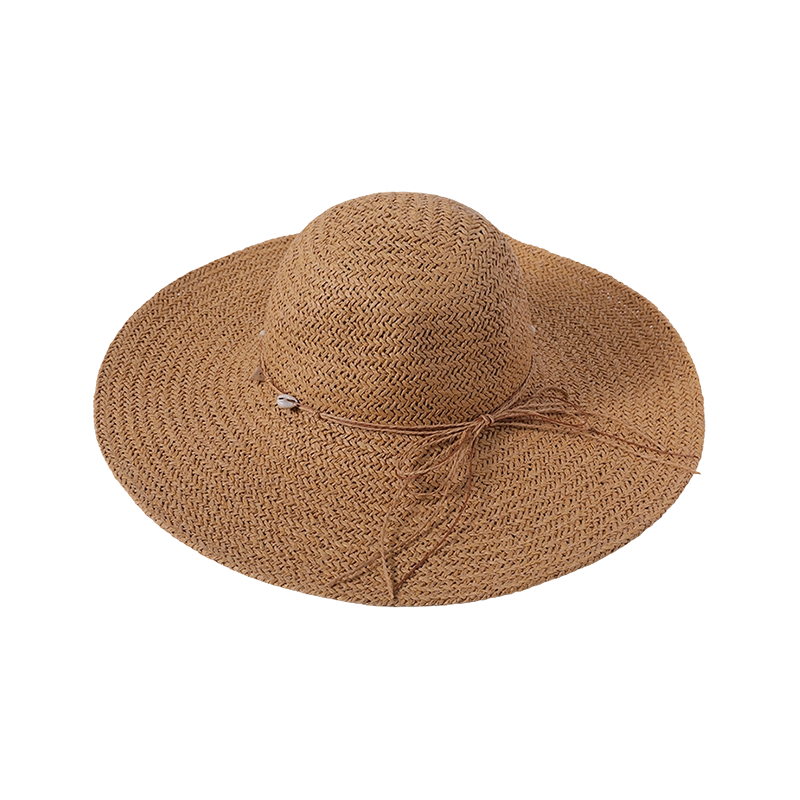
Shape and Structure
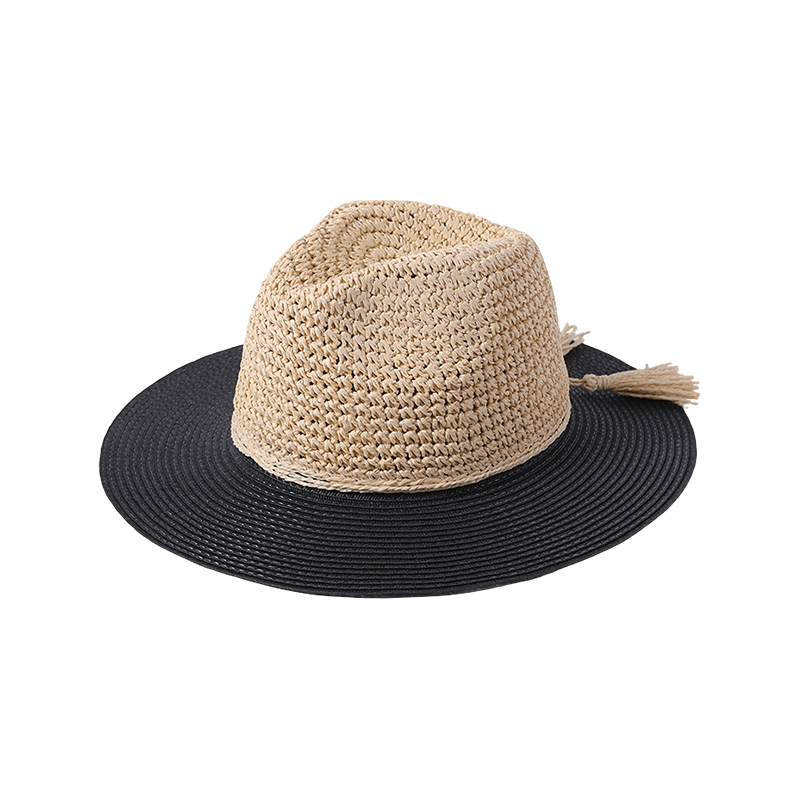
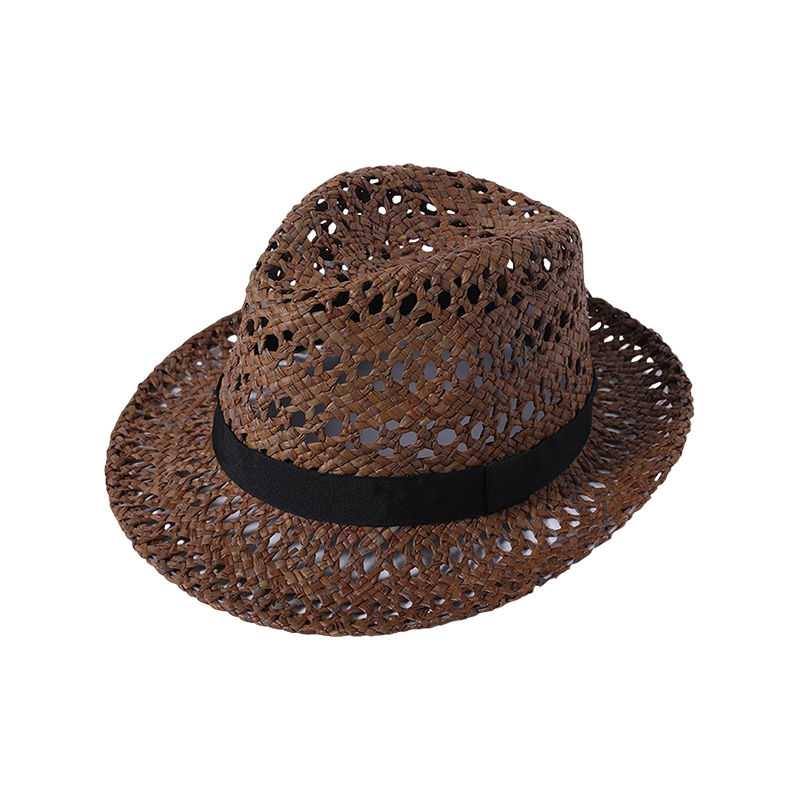
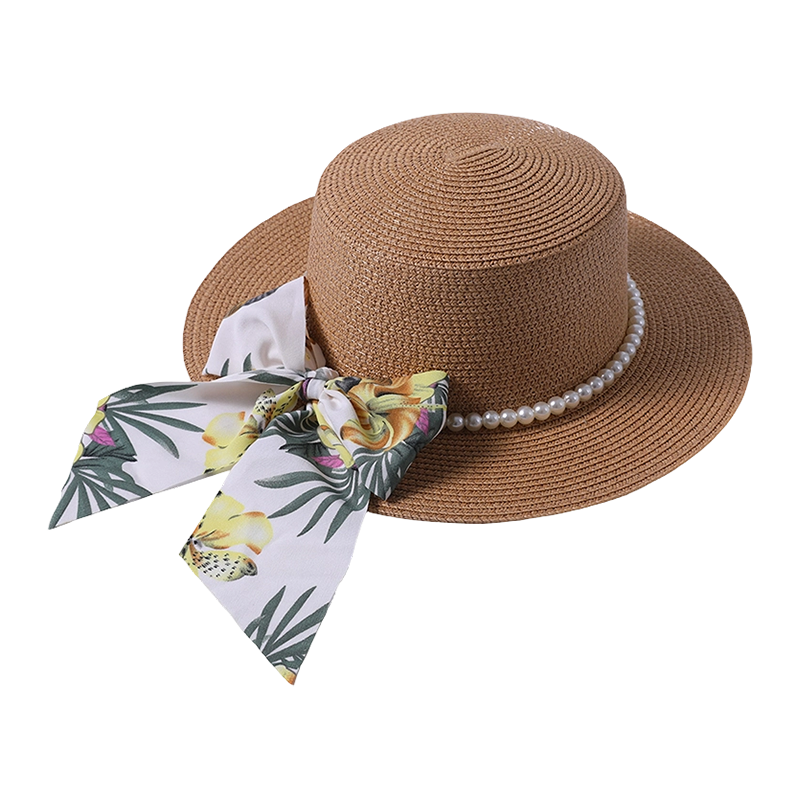
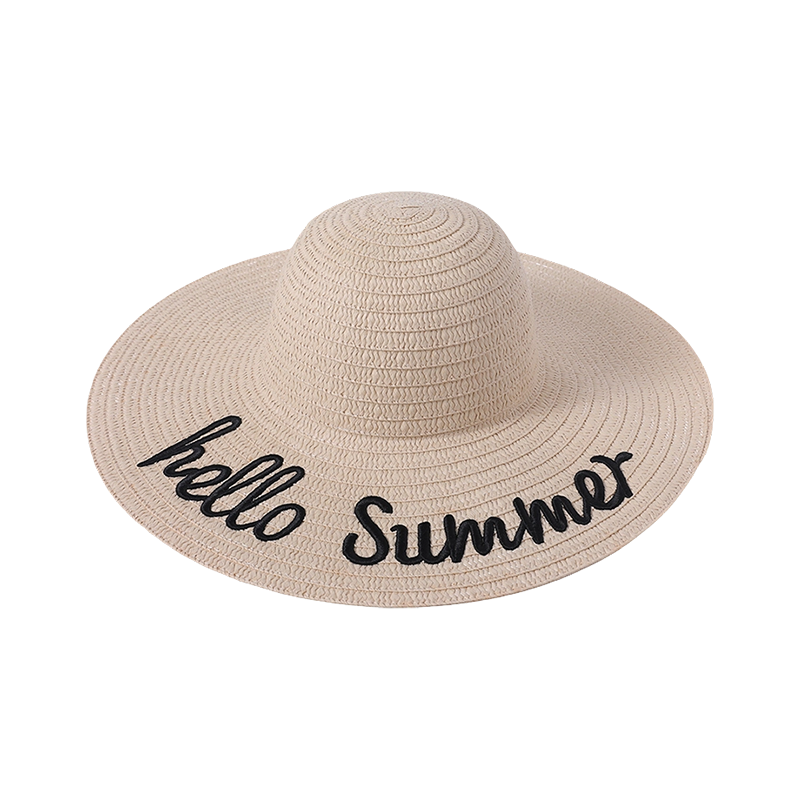
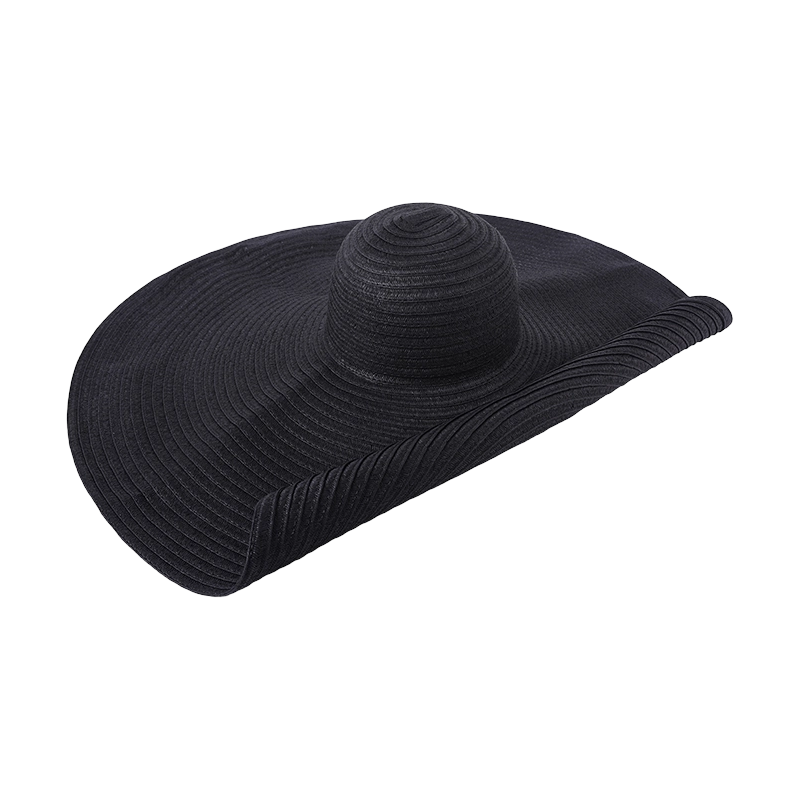
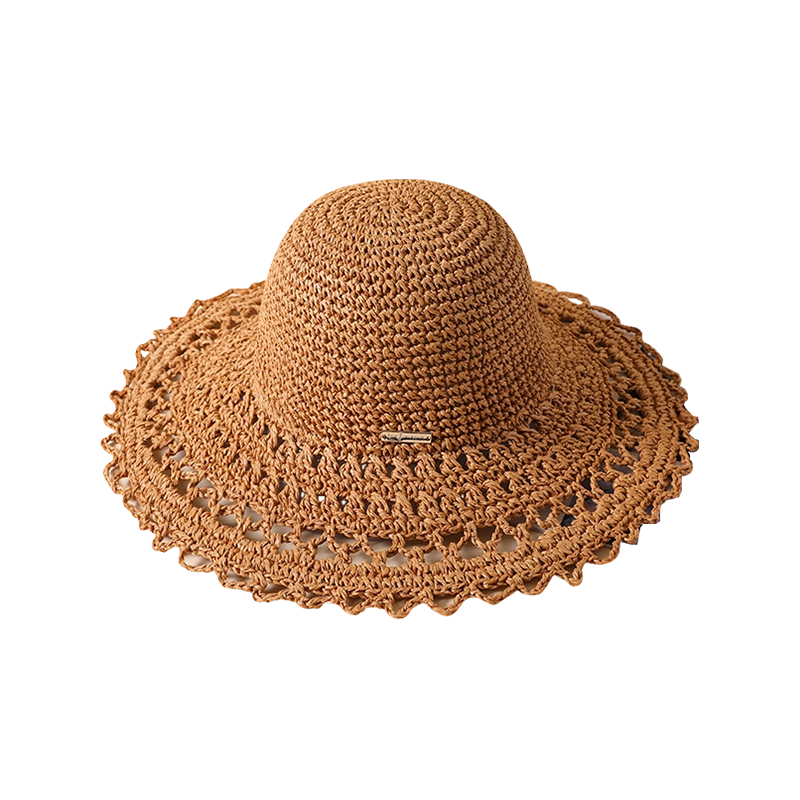
Straw hats come in various shapes, including wide-brimmed, fedora-style, boater, and sun hats. Each shape serves different purposes, such as increased sun protection or aesthetic appeal.
Brim Size
Wide brims provide shade for the face, neck, and shoulders, while narrower brims offer a more casual or decorative style.
Crown Design
The crown may be tall, medium, or low, affecting both fit and ventilation. Taller crowns often allow for better airflow.
Color and Decoration
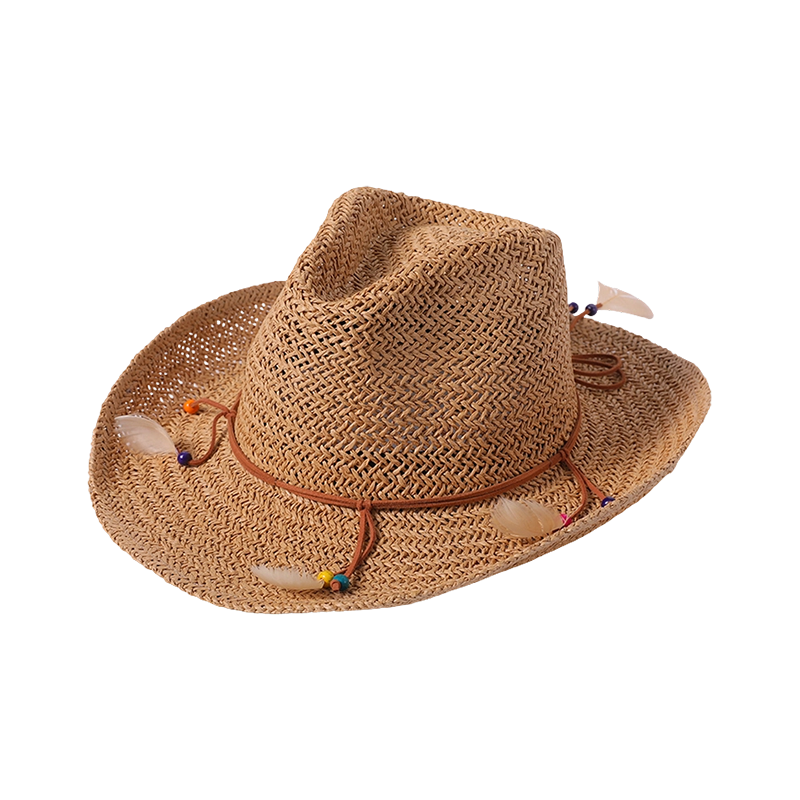
While natural straw offers a neutral tone, dyeing or adding ribbons, bands, or beads can enhance the hat's appearance.
Fit and Adjustability
Some hats include adjustable bands or inner linings to provide a secure and comfortable fit for different head sizes.
Thoughtful design ensures that the hat balances functionality with style, providing comfort while serving as a fashion accessory.
Craftsmanship and Weaving Techniques
Handwoven straw hats are made using traditional techniques that require skill, patience, and attention to detail.
Material Selection
High-quality straw, such as raffia, toquilla, or wheat straw, is chosen for its flexibility, durability, and appearance.
Weaving Methods
Techniques vary from simple braid weaves to intricate plaiting, depending on the desired pattern and hat style.
Hand Shaping
After weaving, the hat is shaped over molds to create a specific crown and brim profile. This process ensures structural integrity and consistent sizing.
Finishing Touches
The edges of the brim are often stitched or reinforced to prevent fraying. Decorative elements such as ribbons, lace, or small charms may be added.
Bullet points highlighting common craftsmanship steps:
- Select and prepare straw fibers
- Weave fibers into strips or braids
- Join and shape the hat over a mold
- Secure edges and add reinforcements
- Apply decorative or functional finishes
These techniques produce hats that are both durable and visually appealing, reflecting the artisan's skill and attention to detail.
Applications of Custom Handwoven Straw Hats
Handwoven straw hats are versatile and can be used in a variety of contexts.
Sun Protection
Wide-brimmed hats shield the face, neck, and shoulders from harmful UV rays during outdoor activities.
Fashion and Style
Straw hats are a common accessory for casual and formal wear, complementing summer outfits, beachwear, or cultural attire.
Cultural and Traditional Uses
In some regions, handwoven straw hats are part of traditional dress or used in festivals, representing local craftsmanship and heritage.
Gardening and Outdoor Work
Hats provide shade for workers and hobbyists while maintaining comfort during prolonged exposure to the sun.
Decorative Purposes
Some hats are used as interior decorations, displayed on walls or shelves to highlight artisanal craft.
The range of applications demonstrates the practical and cultural significance of handwoven straw hats.
Care and Maintenance of Handwoven Straw Hats
Proper care ensures that handwoven straw hats retain their shape, appearance, and longevity.
Cleaning
Use a soft brush or a damp cloth to remove dust or debris. Avoid soaking in water, which can deform the straw.
Storage
Store hats in a cool, dry place away from direct sunlight. Use a hat box or shelf to maintain shape.
Handling
Always handle hats by the brim rather than the crown to prevent bending or breaking fibers.
Protection from Moisture
Avoid exposing hats to heavy rain. If wet, allow them to air dry naturally on a flat surface or mold to preserve shape.
Periodic Reshaping
For hats that lose shape, steam can be used carefully to restore the crown or brim contour.
From structural design and weaving methods to daily use and care, handwoven straw hats reflect a balance between practical needs and artisan techniques. Each stage, from material selection to finishing details, plays a role in how the hat performs over time and adapts to different situations. For further information on craftsmanship and product development in this field, Zhejiang Kaijia Craft Co., Ltd. offers relevant industry experience and production support.

Contact Us
-
Add:
Linchuan Industrial Zone, Songmen Town, Wenling City, Taizhou City, Zhejiang Province, China -
Phone:
+86-13906563499 -
Wechat:
+86-13906563499 -
Email:
Lois@zjkjcrafts.com
Send Us
an Inquiry
Copyright © Zhejiang Kaijia Craft Co., Ltd. All Rights Reserved.

OEM Handmade Crafts Manufacturer