

 En
En  Español
 中文简体
中文简体
Submit feedback
Industry News

Why Handcrafted Straw Hats Matter Today
 2026.06.05
 Industry News
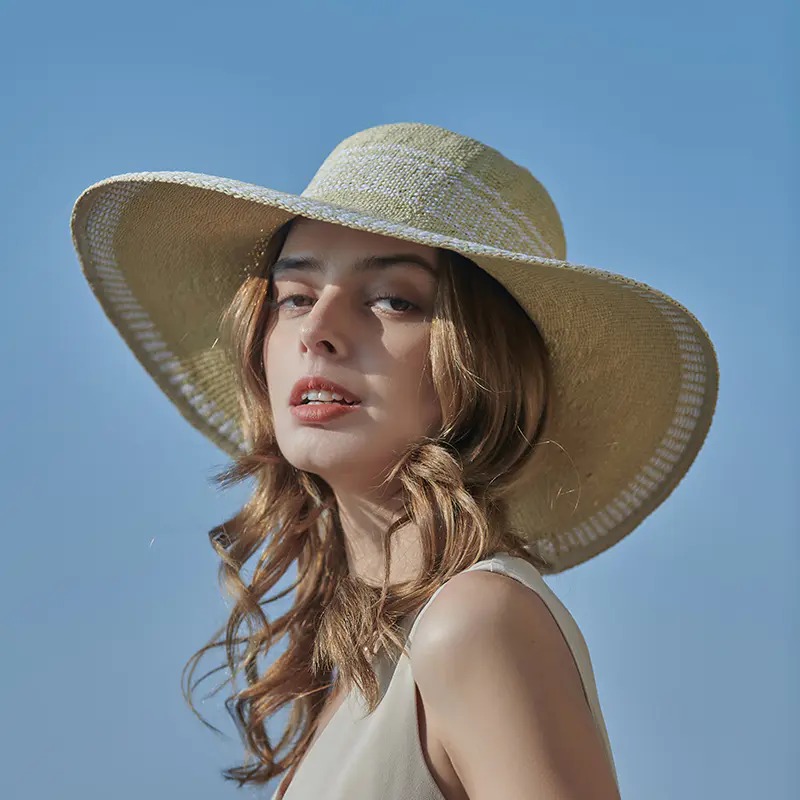
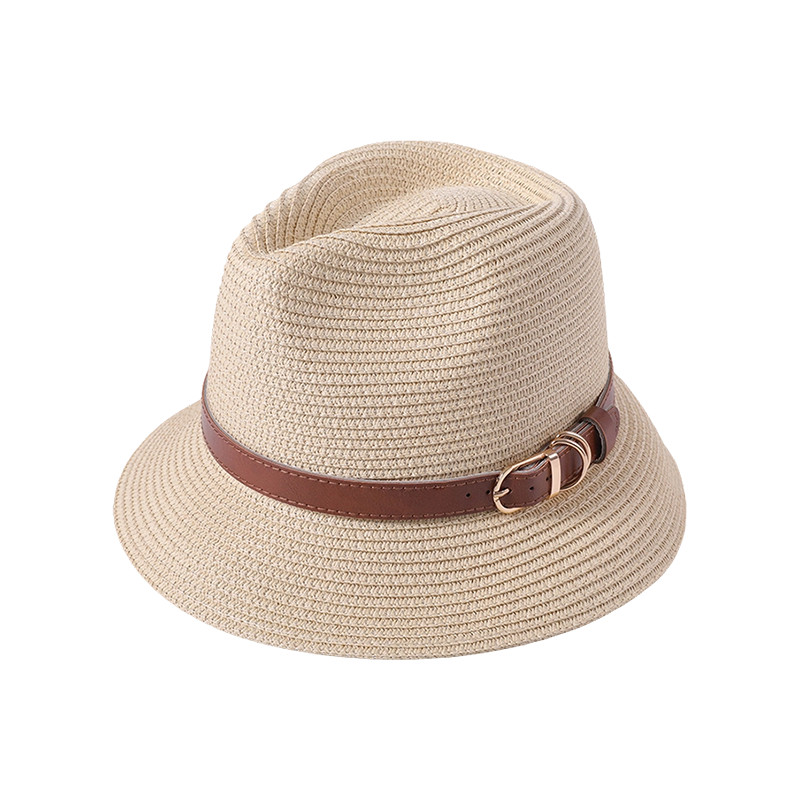
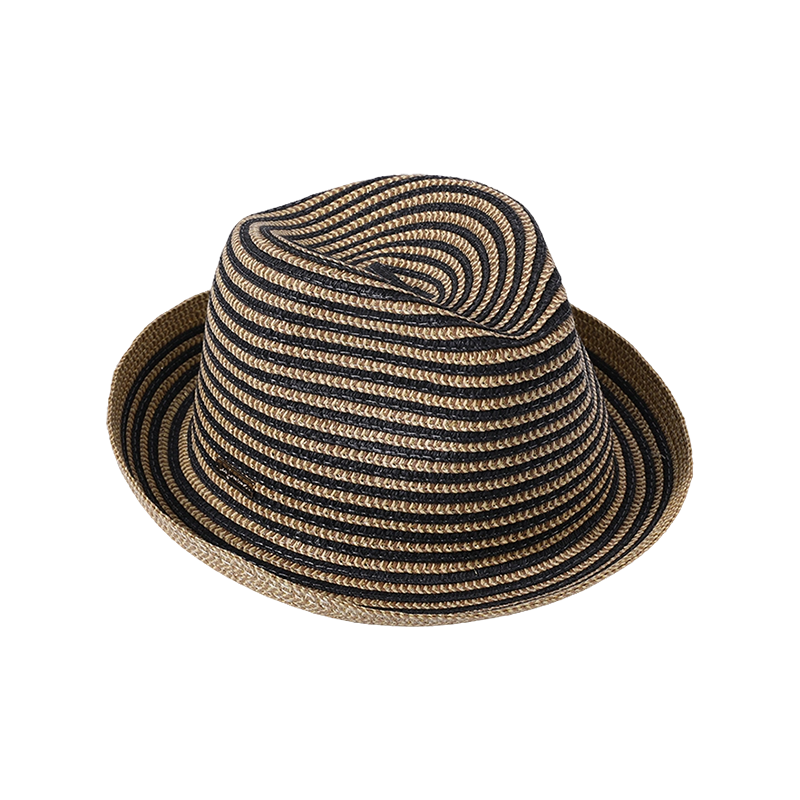
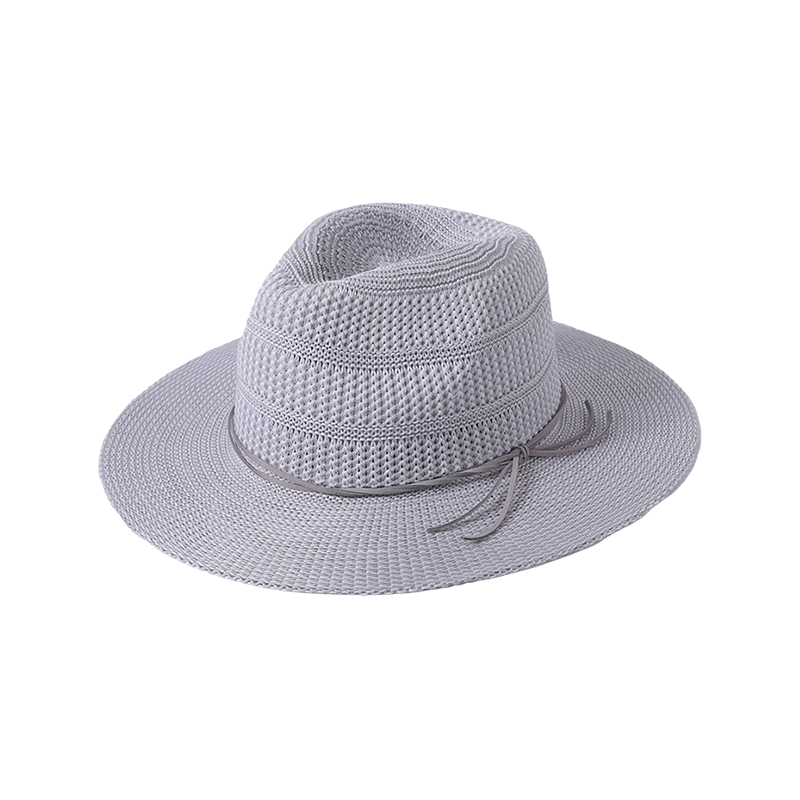
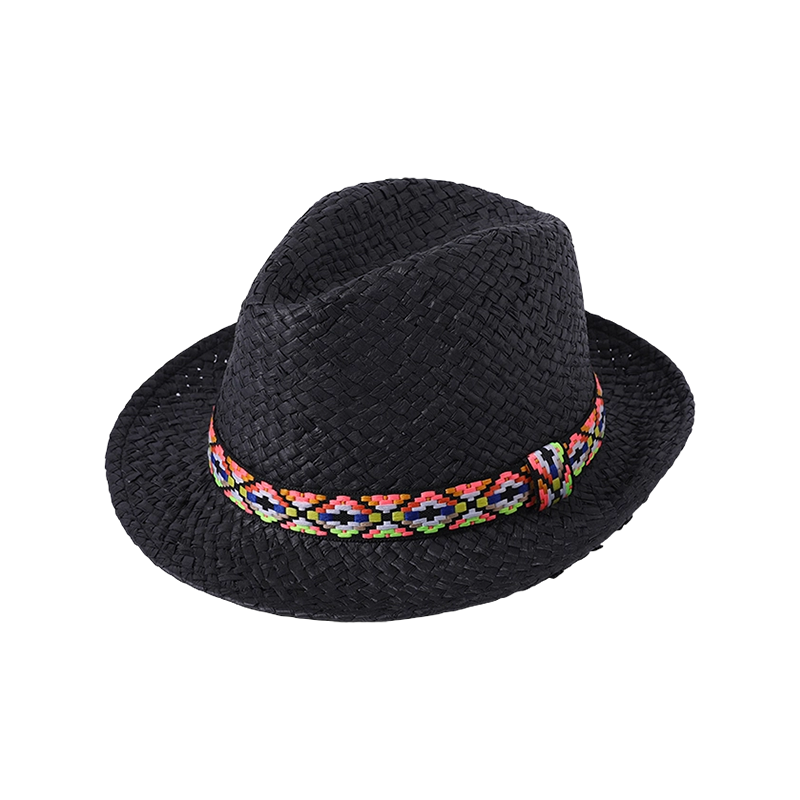
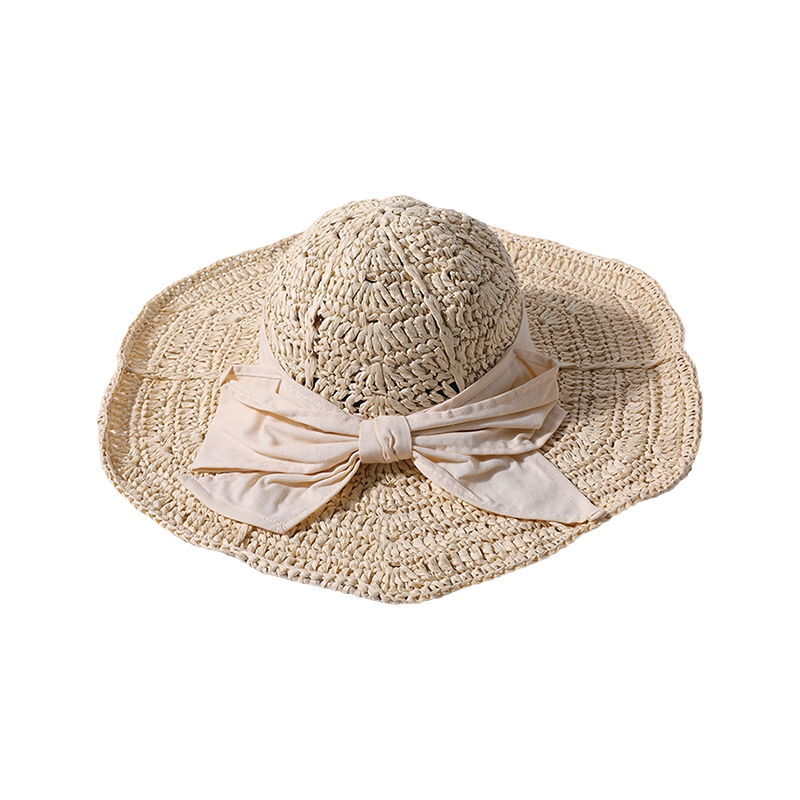
Handcrafted Straw Hats for Women are no longer viewed only as seasonal sun protection. Recent fashion cycles show a shift toward artisanal accessories, where texture, origin, and construction quality define value as much as appearance. Industry reports highlight that natural fibers like raffia, toquilla palm, and wheat straw are gaining attention due to their breathable structure and handcrafted identity, especially in summer collections targeting lifestyle-driven consumers.
This renewed interest is pushing handmade straw hats into a space where craftsmanship becomes part of the design language rather than a background detail.
Material Engineering Behind Lightweight Comfort
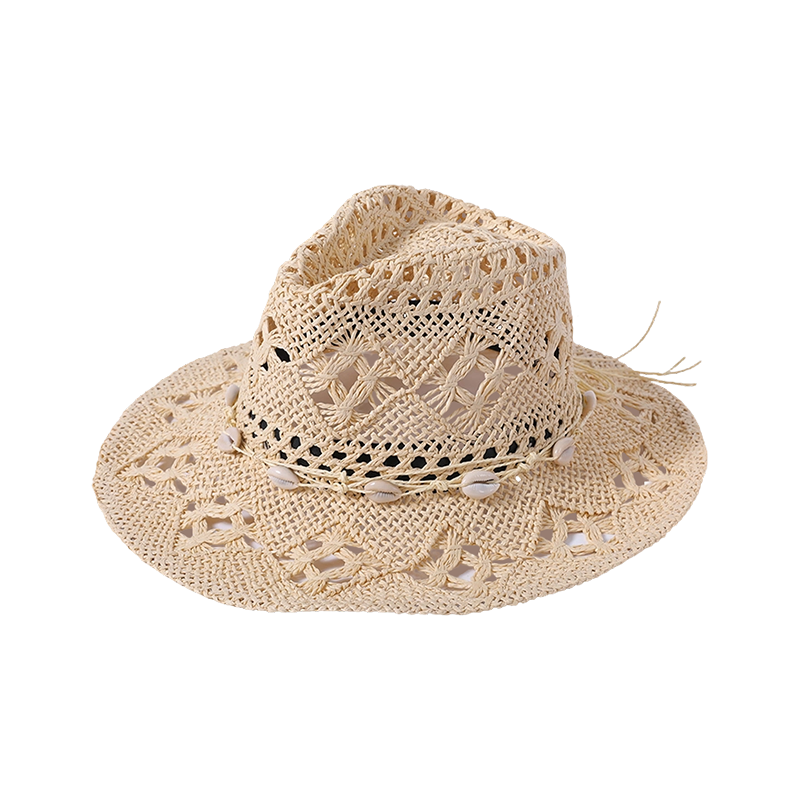
Handcrafted Straw Hats for Women often rely on fiber selection that directly affects comfort and durability.
Common materials include:
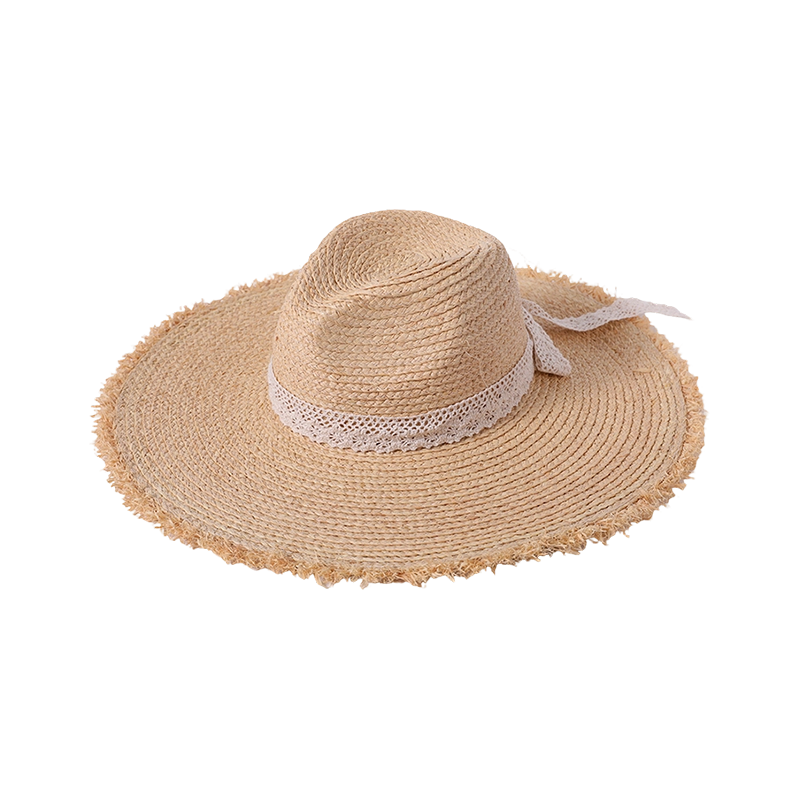
- Raffia palm fiber: naturally flexible, slightly coarse texture, strong resistance to deformation
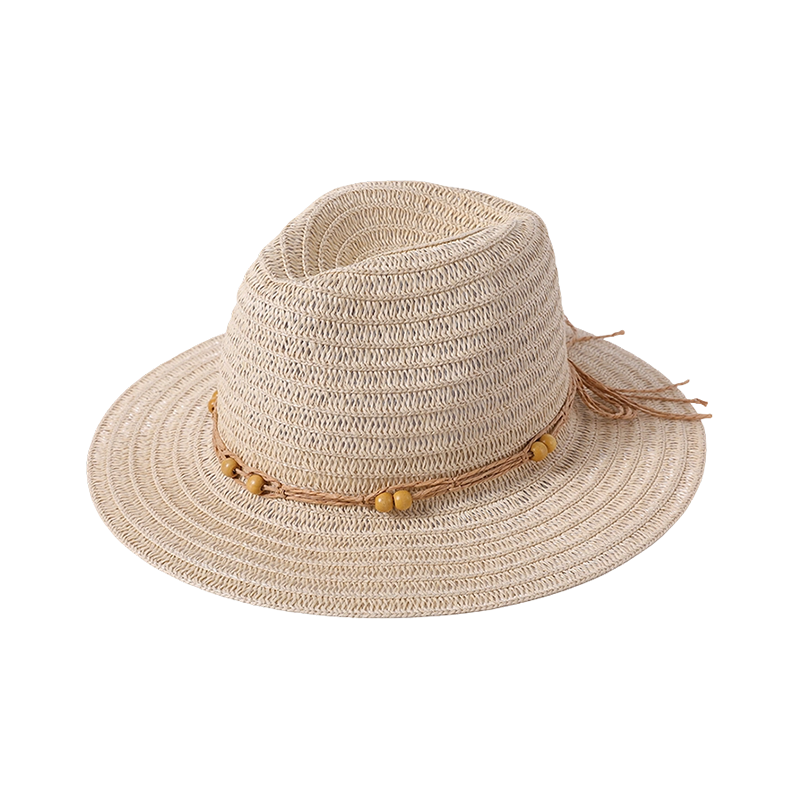
- Wheat straw braid: lightweight structure, soft surface feel, suitable for casual summer use
- Paper straw blend (treated cellulose): consistent weave density, easier coloring, lower cost entry tier
- Seagrass and sisal blends: firmer structure, better shape retention under wind exposure
A typical premium handmade hat may weigh only 90–160 grams, with brim thickness controlled between 1.2–2.5 mm depending on weave density. The tighter the weave pattern, the higher the UV shielding performance and structural stability.
Craftsmanship Differences That Change Performance
Handcrafting is not only aesthetic—it changes how the hat behaves in real use.
Key construction methods include:
- Continuous spiral weaving: single-piece formation from crown to brim, no seam stress points
- Braid-and-stitch method: pre-woven straw braid sewn into shape, balancing flexibility and cost efficiency
- Block shaping process: steam-molded over wooden forms to stabilize curvature and crown geometry
A tighter weave density can significantly reduce airflow gaps, improving sun blockage while still maintaining ventilation balance. Some artisan-grade hats reach over 1,200 weave intersections per square inch, which improves both durability and fine detailing.
Design Identity Beyond Basic Sun Protection
Modern Handcrafted Straw Hats for Women are evolving into identity pieces rather than simple outdoor accessories.
Notable design directions include:
- Sculpted asymmetrical brims for fashion-forward silhouettes
- Natural dye gradients using plant-based pigments
- Mixed weave textures combining matte and glossy straw fibers
- Minimal ribbon integration replacing heavy decorative bands
These details transform each hat into a wearable craft object rather than mass-produced seasonal gear. The focus is shifting toward individuality, where no two handmade pieces are exactly identical.
Functional Data That Defines Real Quality
Not all straw hats perform the same under real conditions. Practical parameters now matter more in purchase decisions.
Typical performance ranges:
- UV protection: UPF 30–80 depending on weave density
- Air permeability: 40–70% airflow retention in tight weave designs
- Flex recovery angle: up to 25° deformation recovery without permanent crease (raffia-based models)
- Brim width range: 7 cm casual / 12–15 cm sun-shielding oversized styles
- Storage resilience: rolled or folded tolerance varies by fiber type
These measurable factors are increasingly used by buyers who want functional reliability, not just appearance.
Style Positioning in 2026 Fashion Trends
Fashion direction is leaning toward natural material storytelling. Straw accessories are now paired with resort wear, linen tailoring, and minimalist streetwear. Oversized silhouettes and sculptural brim shapes are especially visible in summer collections, reflecting a move toward expressive yet organic accessories .
Handcrafted Straw Hats for Women fit into this shift because they naturally carry texture irregularities, which are now considered part of their aesthetic value rather than imperfections.
Why Handmade Still Outperforms Machine Production
Machine-made straw hats often prioritize uniformity. Handmade versions introduce subtle variations that improve wear experience:
- Better head contour adaptation after repeated wear
- Natural tension balance across crown structure
- Reduced cracking risk due to non-uniform fiber alignment
- More stable aging pattern as fibers relax gradually
These characteristics make handcrafted pieces feel increasingly personalized over time rather than deteriorating.
Handcrafted Straw Hats for Women are evolving into a hybrid category where fashion, material science, and artisanal identity overlap. Their value is no longer defined only by shade or style, but by weave density, fiber behavior, and structural integrity.
As consumers continue shifting toward natural materials and slower production values, handmade straw hats are positioned not as temporary summer items, but as repeat-use fashion assets built around craftsmanship and long-term wear behavior.

Contact Us
-
Add:
Linchuan Industrial Zone, Songmen Town, Wenling City, Taizhou City, Zhejiang Province, China -
Phone:
+86-13906563499 -
Wechat:
+86-13906563499 -
Email:
Lois@zjkjcrafts.com
Send Us
an Inquiry
Copyright © Zhejiang Kaijia Craft Co., Ltd. All Rights Reserved.

OEM Handmade Crafts Manufacturer