The headwear industry is moving away from standardized mass production and toward flexible sourcing models where Custom Handwoven Straw Hats Supplier networks play a central role. Retailers, fashion brands, and promotional buyers now prioritize design adaptability, small-batch production, and material traceability instead of fixed catalog inventory.
Market data shows straw hat demand continues expanding globally, driven by fashion diversification and seasonal outdoor use, with strong year-over-year growth in B2B transactions and customization requests. This creates a sourcing environment where supplier capability matters more than simple unit cost.

Supply chain structure behind custom handwoven production
Modern custom straw hat production is no longer a single-step craft process. It is a multi-stage workflow combining weaving skill, shaping technology, and finishing control.
Core production stages:
- Raw fiber conditioning: raffia, seagrass, wheat straw, or paper braid sorted by moisture tolerance and tensile strength
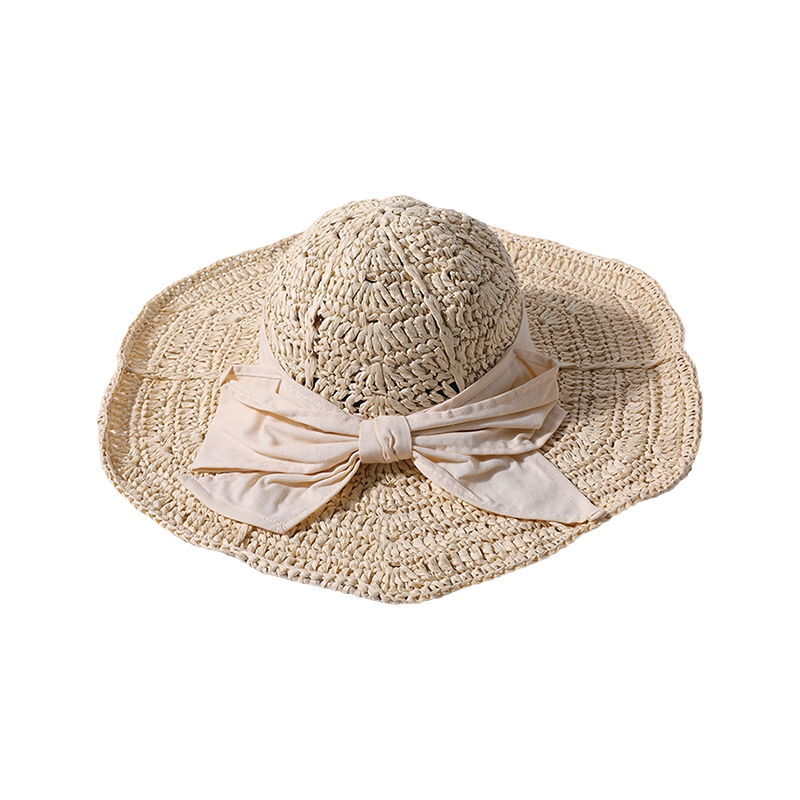
- Hand weaving or semi-hand braiding: artisans maintain consistent tension to ensure uniform panel density
- Steam shaping process: crown and brim formed using calibrated molds at 90–110°C steam exposure
- Stabilization drying: controlled airflow curing prevents shrinkage or warping
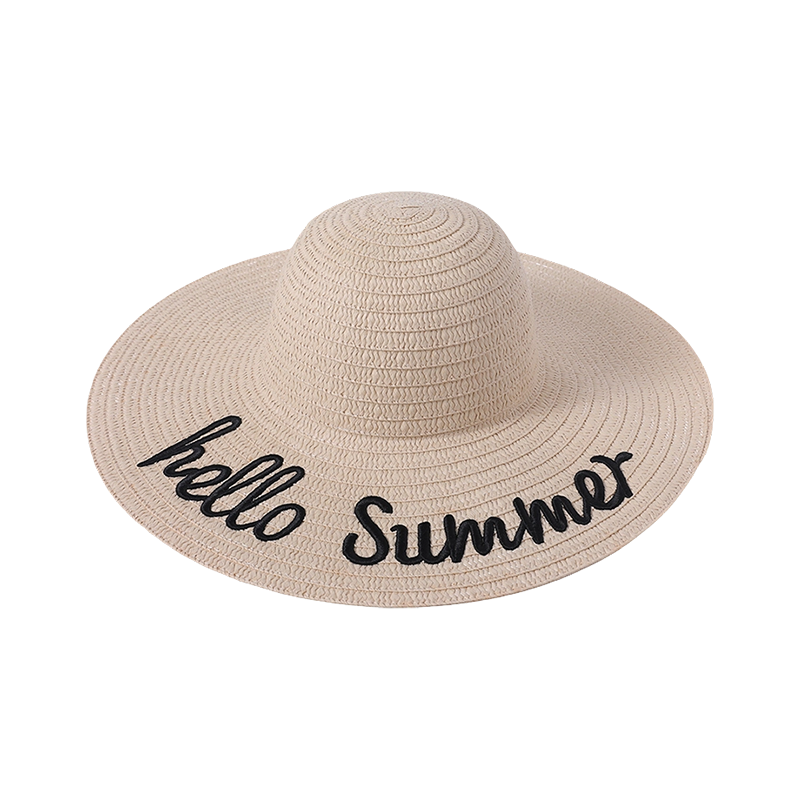
- Surface finishing: ribbon stitching, dye treatment, logo embroidery, or branding embossing
Weave density often ranges between 800–1,400 intersections per square inch for mid-to-premium hats, directly influencing structural rigidity and UV resistance.
Customization as a manufacturing capability, not decoration
A Custom Handwoven Straw Hats Supplier is defined less by hat design variety and more by how deeply customization is integrated into production.
Key customization dimensions:
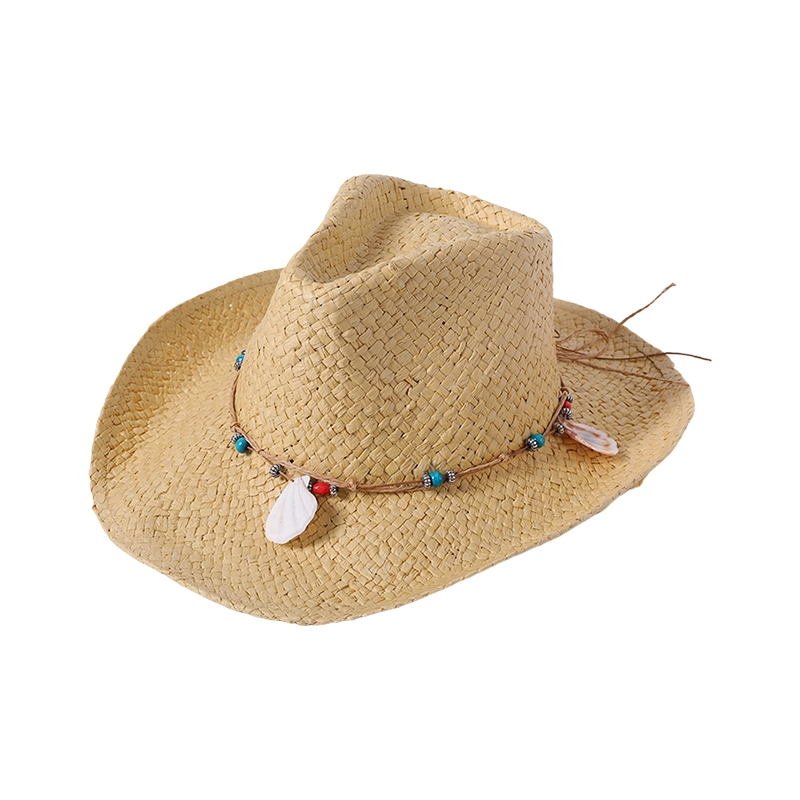
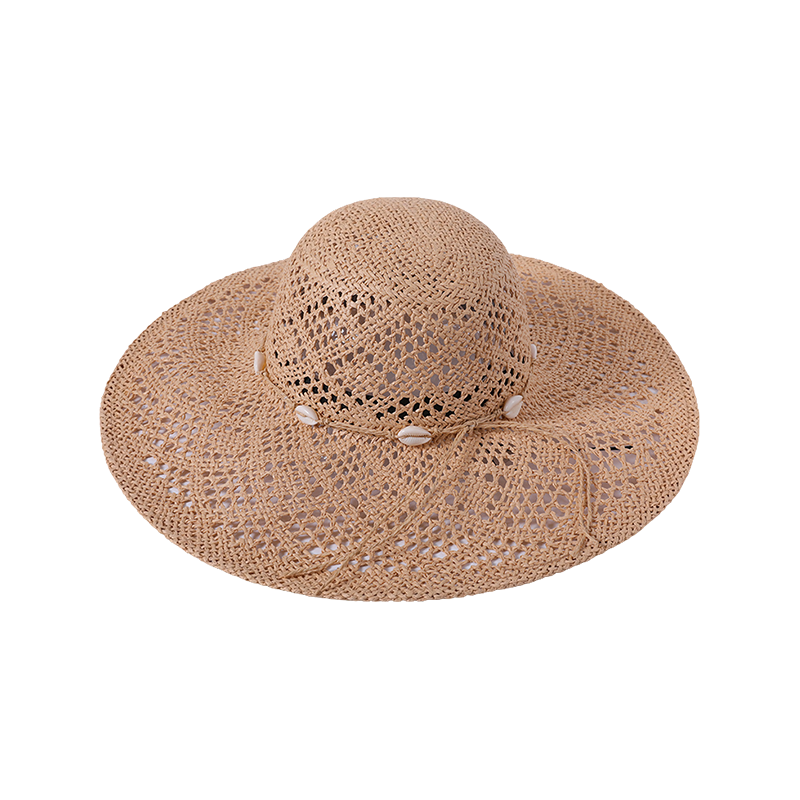
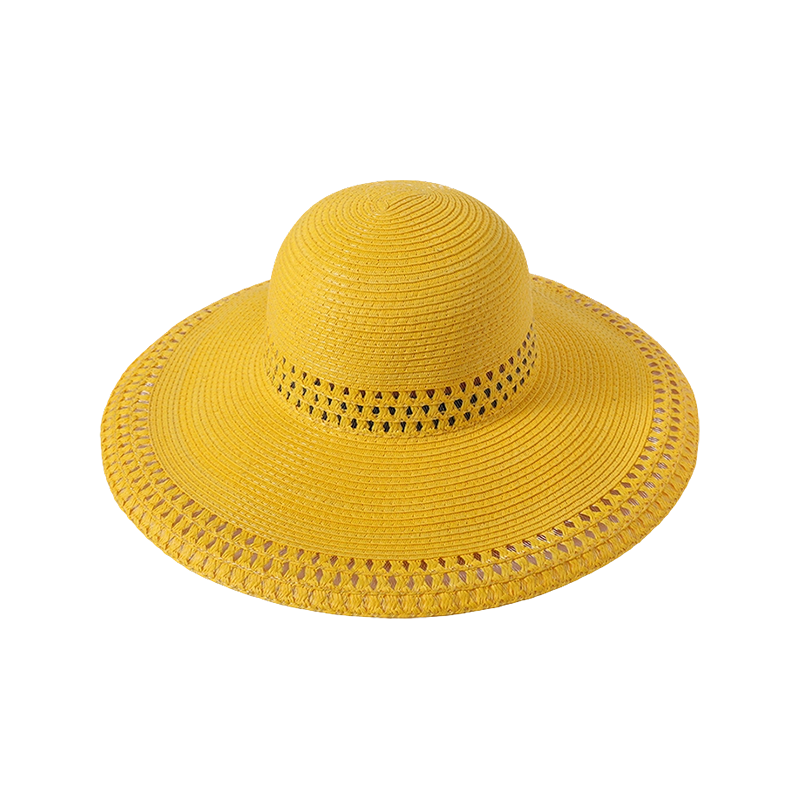
- Brim geometry: flat, curved, wave-cut, or asymmetrical shaping
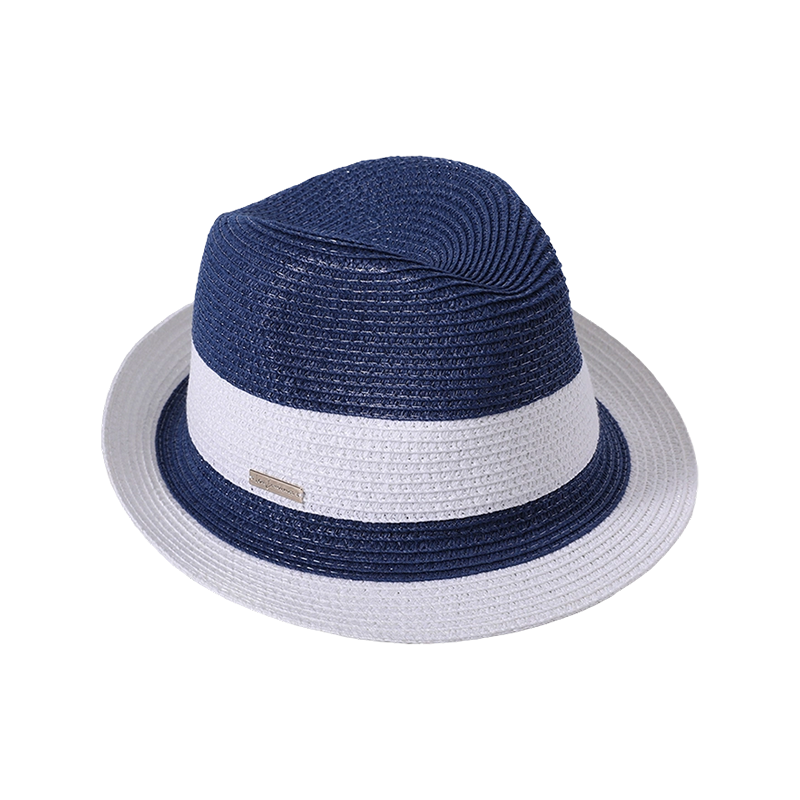
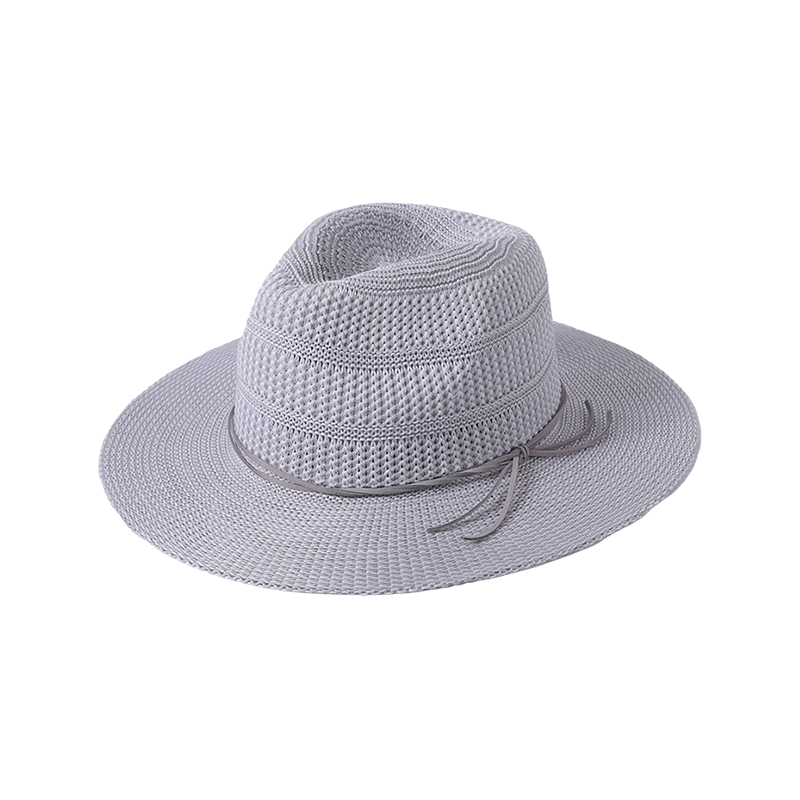
- Crown architecture: teardrop, fedora dent, round dome, or hollow-top structure
- Fiber blending ratios: raffia mixed with paper straw to balance flexibility and cost
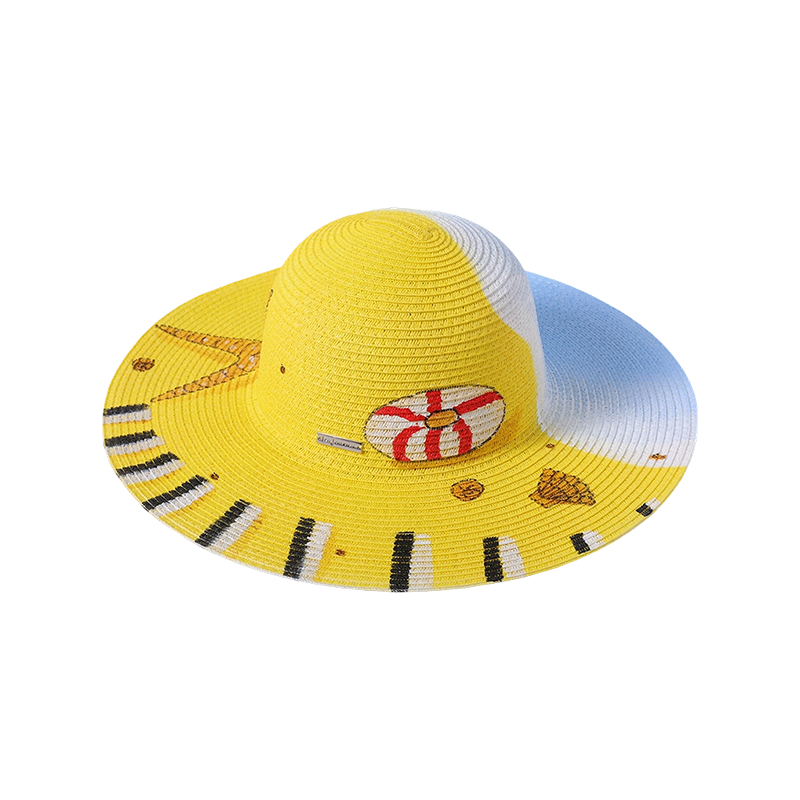
- Color infusion: natural dye soak vs. surface spray finishing
- Branding integration: woven labels, leather patches, heat-stamped logos
Some suppliers now support low-MOQ customization starting at 50–200 units, making small brand launches and boutique retail expansion more accessible.
Technical specifications buyers increasingly request
Buyer requirements are becoming more technical, especially in export markets where compliance and performance testing matter.
Common measurable specs:
- Weight range: 85g – 180g depending on brim width and weave density
- Brim width options: 6 cm (urban style) to 14 cm (sun protection model)
- Moisture tolerance: up to 18% ambient humidity before structural deformation risk
- UV shielding level: UPF 30–80 depending on tightness of weave
- Compression resilience: 20–30° temporary bend recovery for travel packing models
These parameters are now used in sourcing negotiations alongside aesthetics and price.
Why handwoven structure still dominates premium sourcing
Even with automation advances, handwoven straw hats maintain advantages that machine-braided products struggle to replicate.
Performance differences include:
- Irregular fiber tension improves long-term shape adaptation
- Micro-gap airflow increases cooling efficiency during outdoor wear
- Reduced cracking risk along brim edges under repeated bending
- More stable aging pattern as fibers soften instead of brittle failure
These properties make handwoven hats particularly suitable for resort wear, boutique retail, and branded seasonal collections.
Supplier selection factors shaping B2B decisions
Wholesale buyers evaluate suppliers using criteria beyond price per unit.
Key decision drivers:
- Production consistency across multiple batches
- Ability to replicate sample design within ±3% dimensional variance
- Fiber sourcing transparency and material grading system
- Packaging durability for long-distance shipping compression
- Lead time stability during peak seasonal demand cycles
A reliable Custom Handwoven Straw Hats Supplier is often judged by repeatability rather than single-order quality.
Emerging trend: hybrid artisan-industrial models
A new production model is emerging where hand weaving is combined with controlled mechanical assistance.
Examples include:
- Semi-machine braided straw bases finished by hand shaping
- Laser-cut pattern overlays applied to natural straw surfaces
- Modular brim construction allowing interchangeable styling
- Digital sample approval before physical production begins
This hybrid approach reduces defect rates while maintaining handcrafted appearance, aligning with growing global demand for scalable artisanal products.
Custom Handwoven Straw Hats Supplier networks are becoming strategic partners rather than simple manufacturers. Their role now extends into product engineering, branding adaptation, and technical compliance.
As global sourcing continues shifting toward personalized, small-batch, and material-driven fashion goods, handwoven straw hats are positioned within a long-term growth segment rather than a seasonal accessory category. Their value increasingly comes from controllable craftsmanship, measurable performance, and flexible customization systems that support diverse retail and brand strategies.


 En
En  Español
 中文简体
中文简体

 2026.06.12
 Industry News