

 En
En  Español
 中文简体
中文简体
Submit feedback
Industry News

Which Material Fits Handcrafted Straw Hats for Women?
 2026.05.15
 Industry News
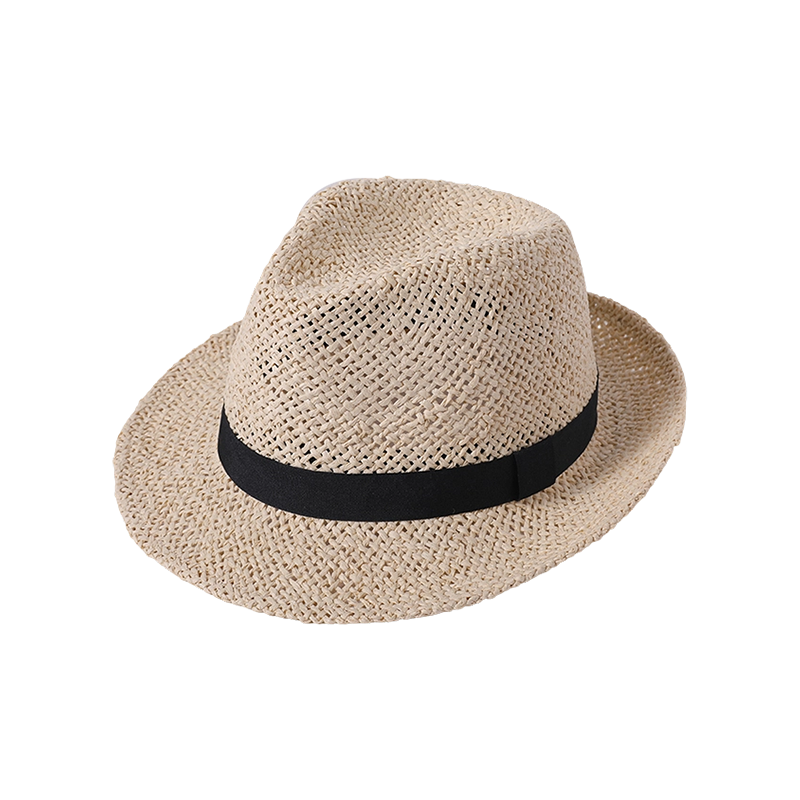
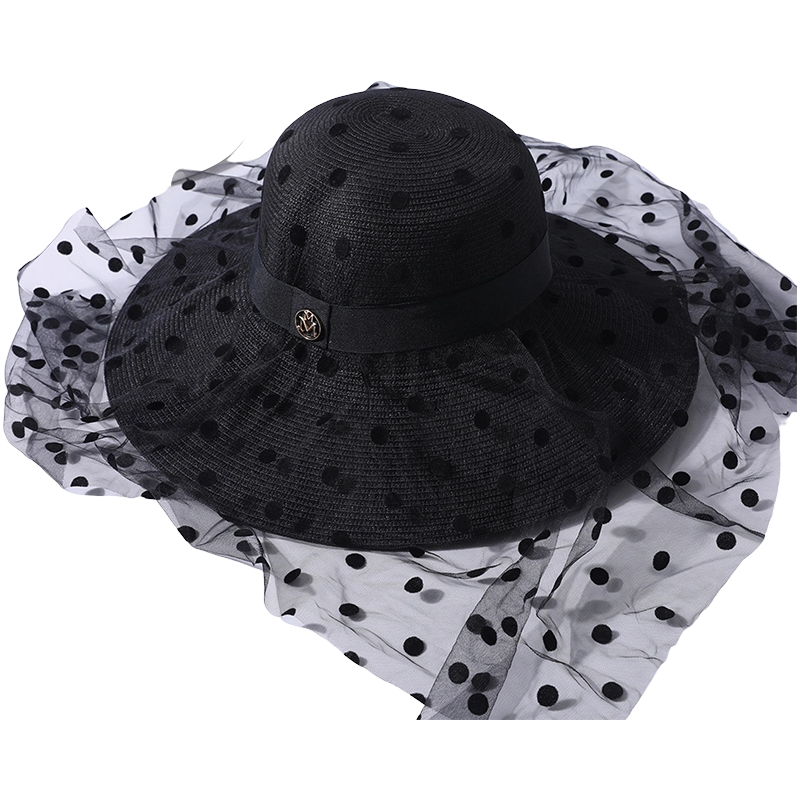
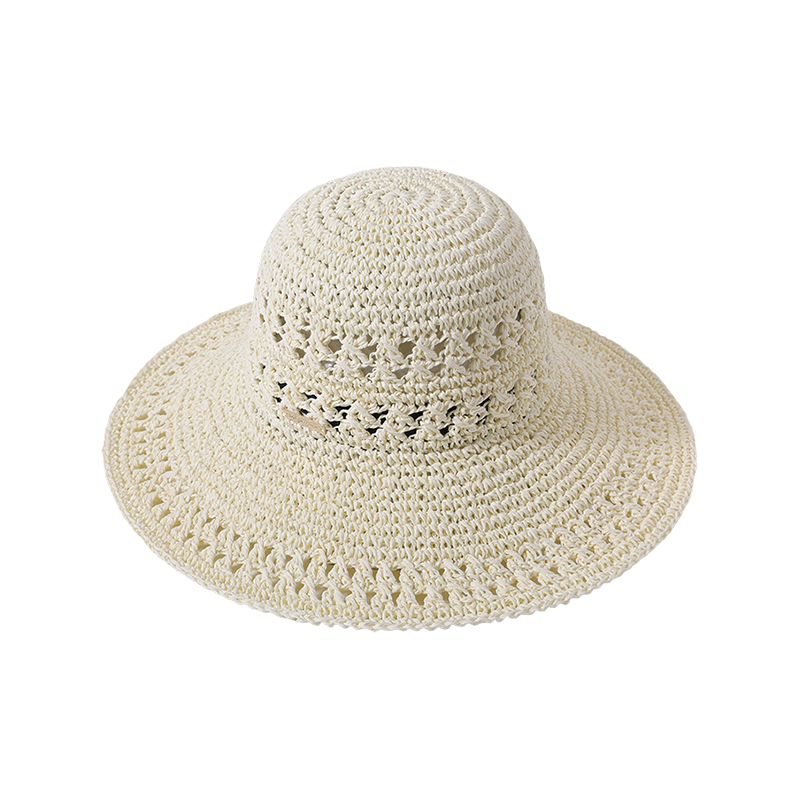
Picking a straw hat sounds simple until you are staring at three different material descriptions online and cannot work out why the price gaps are so wide or what actually breaks first when you take one to the beach. Buyers sourcing wholesale, brands building a seasonal collection, and individual shoppers evaluating quality against budget all hit the same wall: the labels say "straw" but the materials behave completely differently. Handcrafted Straw Hats for Women represent a category where material choice shapes everything - feel, longevity, styling range, and what you can reasonably charge or charge for it. Understanding raffia, paper straw, and natural straw as separate materials with separate use cases is the practical starting point for any decision worth making.
At a Glance: How the Three Materials Compare
Before going deeper into each material, here is a side-by-side summary to orient the decision.
| Criterion | Raffia | Paper Straw | Natural Straw |
|---|---|---|---|
| Origin | Raffia palm leaves (Madagascar) | Processed wood pulp paper fibers | Wheat, seagrass, rice straw |
| Texture | Flexible, slightly coarse when new, softens with wear | Smooth, uniform, soft from the start | Variable — can be soft or brittle depending on fiber |
| Durability | Strong — resists wear over multiple seasons | Lower — degrades with moisture and heavy use | Moderate — cracks and brittles over time without care |
| Moisture resistance | Naturally water-resistant (waxy fiber cuticle) | Low — damaged by prolonged wet exposure | Low — absorbs water, loses shape when wet |
| Packability | Crocheted raffia is packable; woven raffia is not | Generally flexible and travel-friendly | Rigid — not recommended for packing |
| Price range | Mid to upper | Lower | Lower to mid |
| Aesthetic | Natural, textured, artisanal | Polished, uniform, fashion-forward | Rustic, golden, traditional |
| Weave flexibility | High — suits crochet, braid, wide weaves | High — takes dye and shape well | Moderate — works in structured forms |
What Makes Raffia a Distinct Material?
Origin and Fiber Properties
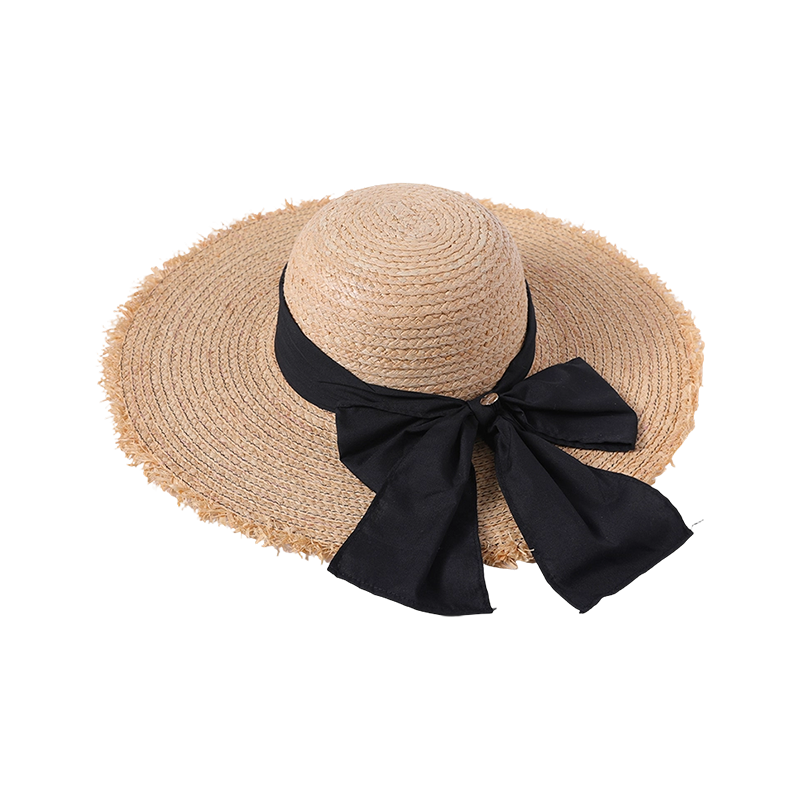
Raffia comes from the leaves of the Raphia palm, a plant native to Madagascar. The long leaf strips are harvested and dried before being processed into weavable strands. A natural waxy coating on the fiber is what gives raffia its water resistance - the same protective layer that shields the plant from tropical rainfall in its growing environment.
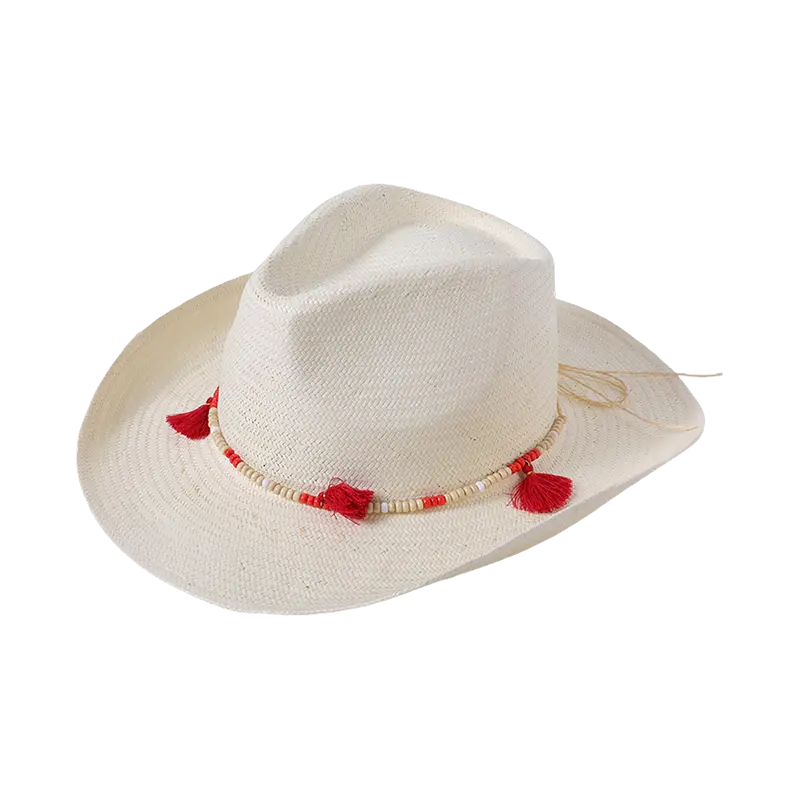
This is not a treated or manufactured water resistance. It is inherent to the fiber itself, which means it does not wash away or degrade the way applied coatings can.
How Raffia Performs in Practice
Key characteristics that matter in a purchasing or design context:
- Durability: Raffia outlasts natural straw and paper straw alternatives by a meaningful margin. It resists tearing, fraying, and structural collapse under regular use.
- Flexibility: Depending on weave type - crochet versus flat braid versus wide weave - raffia can produce crushable hats or structured ones. Crocheted raffia is fully packable and recovers its shape after compression.
- Break-in period: New raffia can feel slightly stiff or rough against the forehead. This softens with wear. Adding a fabric inner brim or sweatband lining eliminates any initial roughness entirely.
- Aesthetic range: Raffia carries a natural, relaxed, artisan quality. It works in resort-wear contexts, wide-brim floppy styles, and crochet-crown designs equally well.
Who Is Raffia Right For?
Raffia suits buyers and brands positioned at the mid to upper end of the market, or anyone sourcing for beach, vacation, and resort-wear contexts where durability and natural aesthetic both matter. It is the material of choice when the product needs to look handcrafted and feel like it will last.
Understanding Paper Straw: Where Does It Fit?
What Paper Straw Actually Is
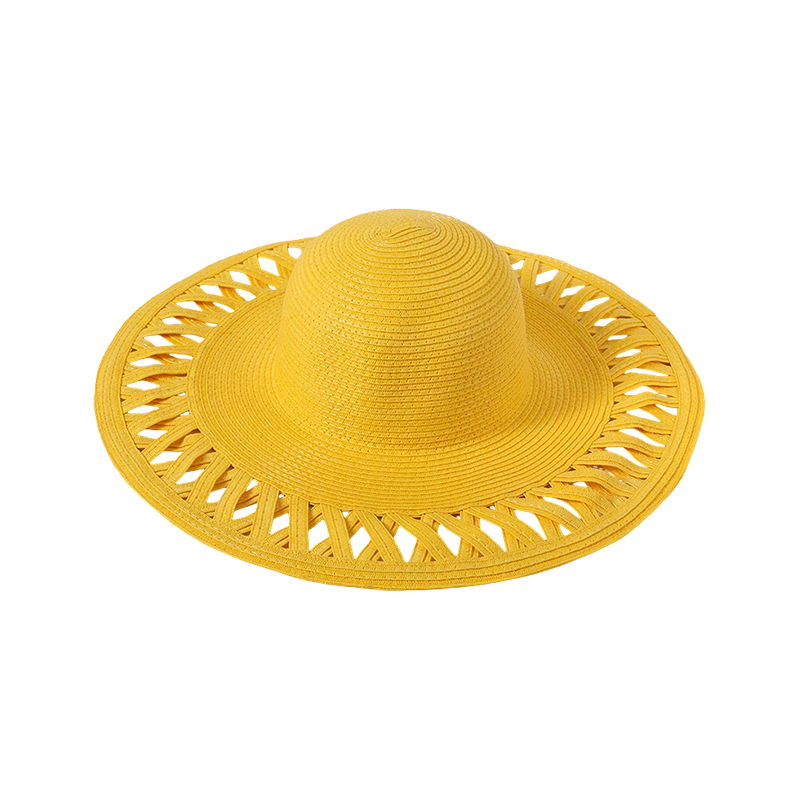
Paper straw - sometimes called paper braid or toyo - is made from wood pulp processed into paper fiber, which is then twisted into yarn and woven into hat bodies. Some versions receive a starch or resin treatment to add a degree of stability. The result is a lightweight, uniform material with a smooth surface and good color absorption.
It is a manufactured product rather than a natural fiber, which gives it consistency and design flexibility but limits its durability, particularly in moisture-heavy environments.
Paper Straw Performance Characteristics
- Weight: Paper straw is among the lightest hat materials available. It sits comfortably for extended wear.
- Color range: Because the fibers accept dye readily, paper straw hats are available in an unusually wide range of colors and printed patterns. This makes the material attractive for fashion-forward or branded promotional styles.
- Shape flexibility: Paper straw takes structured shapes easily and holds them well in dry conditions.
- Moisture limitation: This is the material's significant drawback. Prolonged exposure to water - a beach rainstorm, pool splash, or heavy sweat - can cause the fibers to weaken, distort, or break down. Paper straw hats are not well-suited for active outdoor use where moisture is a consistent variable.
- Lifespan: For seasonal fashion wear in dry or mild conditions, paper straw holds up adequately. For repeated outdoor use or environments where the hat takes real wear, it has a shorter functional life than raffia.
Who Is Paper Straw Right For?
Paper straw suits fast-fashion lines, promotional gifting, high-volume seasonal collections, and any context where design variety, affordability, and light use are the priorities. Buyers sourcing large quantities for event merchandise or one-season retail will find paper straw practical. It is less suited to premium or outdoor-use positioning.
Natural Straw: Traditional Appeal with Clear Trade-Offs
What "Natural Straw" Covers
Natural straw in the hat market typically refers to plant fibers including wheat straw, seagrass, sisal, and rice straw. These materials are harvested from agricultural or coastal plants and woven in various densities and patterns. The look is classic - a warm golden tone, visible fiber texture, and an immediately rustic aesthetic.
Because the category includes multiple fiber types, performance varies. Wheat straw and seagrass, for example, behave quite differently in moisture and under structural stress.
Natural Straw Performance Characteristics
- Breathability: Natural straw is generally breathable, which makes it comfortable in warm conditions.
- Aesthetic: The fiber produces a traditional, sun-bleached look that works well in rustic, artisan, and countryside-influenced styles. The texture is visible and tactile in a way that reads as authentically handcrafted.
- Rigidity: Natural straw hats are typically structural and rigid. This makes them difficult to pack without risk of cracking or deforming.
- Moisture sensitivity: This is the material's primary limitation for outdoor use. Natural straw absorbs water and loses shape when wet. A hat caught in rain or exposed to pool splashing may permanently lose its form.
- Brittleness over time: Without careful maintenance and storage, natural straw cracks along the weave lines and becomes fragile at the brim edges. Longevity requires consistent care.
Who Is Natural Straw Right For?
Natural straw works well for structured, rustic, or traditional market positioning. It suits fashion contexts where the look of the hat matters more than weather durability - garden events, markets, rural-inspired editorial shoots. Buyers sourcing for lifestyle or artisan-positioned retail will find natural straw compelling aesthetically, with the understanding that it requires more care and has a shorter active lifespan than raffia.
Which Material Is More Durable?
Comparing Durability Across Scenarios
Durability is not a single property - it depends on the type of stress the hat experiences. Here is how each material holds up across the scenarios that matter:
Daily casual wear in mild, dry conditions:
- Raffia: Holds well over multiple seasons
- Paper straw: Adequate for one season of light use
- Natural straw: Holds well with careful handling and storage
Beach, pool, and outdoor active use:
- Raffia: Handles moisture and physical stress well; the fiber's natural water resistance gives it a clear advantage
- Paper straw: At risk from any significant moisture exposure; not recommended for beach or pool wear
- Natural straw: Absorbs moisture and loses shape when wet; not suited for poolside or heavy outdoor use without careful management
Travel and packing:
- Raffia: Crocheted styles are fully packable; flat-woven styles are less forgiving
- Paper straw: Flexible enough to travel without cracking in many cases
- Natural straw: Structured and rigid; high cracking risk when packed in a bag or compressed in luggage
Long-term storage between seasons:
- Raffia: Stores well with minimal care
- Paper straw: Needs dry storage; humidity can cause distortion
- Natural straw: Requires careful storage in a dry, cool location; moisture during storage causes deformation and fiber brittleness
Comfort and Wearability: What Buyers Often Overlook
How Each Material Feels Over Time
Comfort questions come up often in purchasing decisions, particularly for end consumers. The answers vary by material and by the design of the finished hat.
Raffia: Can feel rough initially, particularly against the forehead on wide-brim styles. This softens through wear. A fabric inner brim or sweatband is the practical solution for buyers who want immediate comfort from day one. Once broken in, raffia is lightweight and breathable.
Paper straw: Smooth and comfortable from the start, which is part of its consumer appeal. The texture is uniform and does not irritate. In hot conditions, the dense structure can trap some heat, but lightweight weaves mitigate this.
Natural straw: Texture and comfort vary significantly by fiber type. Seagrass and finely processed wheat straw are soft and pleasant. Coarser natural straws can feel rough. Breathability is generally good due to the open weave structure common in many natural straw designs.
Style and Aesthetic Positioning
What Each Material Communicates
Material choice has direct implications for how a hat reads stylistically - and for how it photographs for e-commerce and social content.
Raffia reads as:
- Natural and artisanal
- Relaxed and vacation-appropriate
- Textured and handcrafted - even machine-made raffia hats carry this quality
- Suited to resort wear, wide-brim floppy styles, crochet designs, and coastal lifestyle imagery
Paper straw reads as:
- Polished and consistent
- Fashion-forward and color-flexible
- Clean-lined and accessible
- Suited to everyday casual, promotional styling, and trend-driven seasonal fashion
Natural straw reads as:
- Rustic and traditional
- Warm and golden-toned
- Authentically handmade in appearance
- Suited to country-market aesthetic, artisan positioning, or nostalgic summer styling
Matching Material to Use Scenario
Scenario-Based Decision Guide
Scenario-matching is the practical way to resolve the material choice when other factors feel evenly weighted:
Beach vacation or resort wear -> Raffia. Water resistance and durability make it suited to coastal environments where hats take real exposure.
Everyday urban casual or commuting -> Paper straw. Light, comfortable, available in a wide color range, and suited to dry-condition daily wear.
Travel, carry-on friendly hat -> Crocheted raffia. The only category where the hat can be packed flat and recover its shape reliably.
Outdoor market, countryside events, rustic aesthetic -> Natural straw. The look is authentic and the structural style works well for lower-intensity outdoor wear.
High-volume promotional or seasonal retail -> Paper straw. Lower cost per unit and high design flexibility make this the practical choice for large-order, short-cycle product lines.
Premium boutique or artisan brand positioning -> Raffia. The material supports a higher price point and a handcrafted, natural-quality narrative.
What Sourcing Buyers Should Evaluate Before Ordering
Key Considerations for Wholesale and Brand Procurement
For buyers placing production orders rather than retail purchases, the material decision connects to supply chain and brand strategy factors:
- Minimum order quantities and production lead time: Raffia and natural straw production typically involves more manual work, which affects lead times and minimum quantities. Paper straw is more suited to high-volume rapid production runs.
- Customization range: Paper straw takes color and print customization broadly. Raffia can be produced in natural or dyed versions but with a more limited color palette due to fiber behavior. Natural straw also accepts dye but with less consistency across batches.
- Shipping and storage: All three materials are lightweight. Natural straw is notably fragile in transit and requires careful packing to avoid cracking. Packable raffia reduces shipping volume significantly for crocheted styles.
- Seasonal demand patterns: Raffia has broader year-round appeal in lifestyle markets. Paper straw and natural straw are more concentrated in spring and summer retail cycles.
- Target market expectations: European and North American premium buyers tend to favor raffia for handcrafted positioning. Mass market and promotional buyers lean toward paper straw. Natural straw maintains a niche in traditional and artisan-positioned markets across regions.
How Material Choice Affects Brand Positioning
Translating Material to Market Message
The material is not just a production input - it is a signal to the end consumer about where the product sits in the market.
- Raffia supports a premium, natural, and artisan brand message. It is the material associated with thoughtful design, hand-weaving, and products built to last more than one season. Brands using raffia can credibly position products at a higher price point.
- Paper straw fits a democratic, fashion-accessible message. It signals trend-relevance, design variety, and approachability. Brands using paper straw are often competing on style and price rather than longevity.
- Natural straw supports a heritage or eco-conscious message. The fiber is agricultural and biodegradable, which resonates with sustainability-oriented consumers. The traditional aesthetic fits brands rooted in craft, regional identity, or slow-fashion positioning.
None of these positions is inherently stronger - the right one depends entirely on the brand's target consumer and distribution channel.
Making the Decision: A Practical Summary
When sourcing or designing Handcrafted Straw Hats for Women, the material choice comes down to three clear priorities aligned with use context and market positioning.
If the hat needs to handle actual outdoor conditions, travel in a bag, or support a premium price point - choose raffia. If the priority is design flexibility, color range, and cost efficiency for high-volume orders - choose paper straw. If the aesthetic is traditional, the use is light, and the brand positioning is artisan or eco-focused - natural straw delivers what raffia and paper straw cannot.
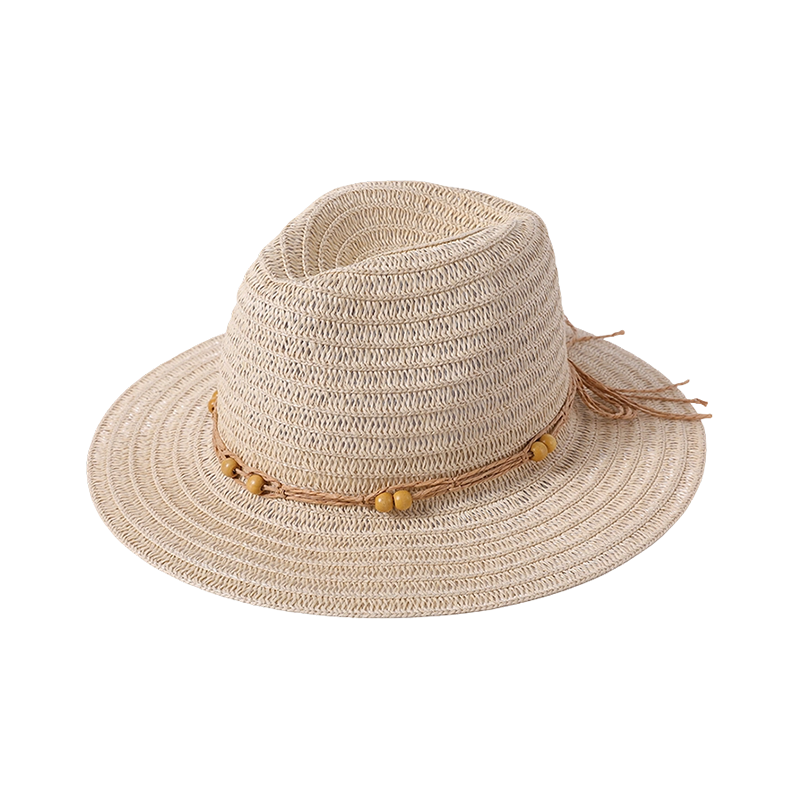
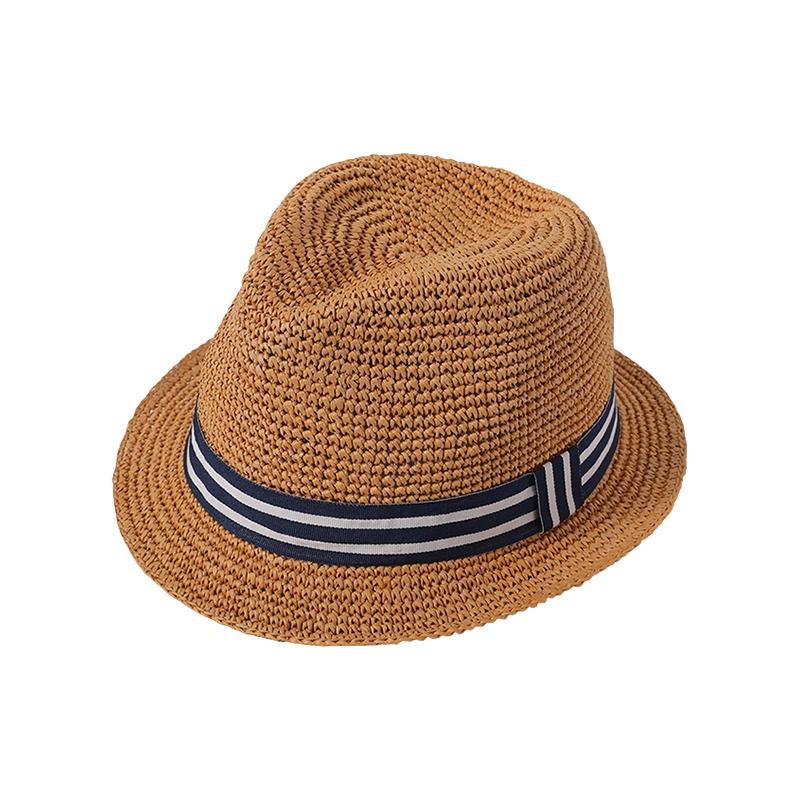
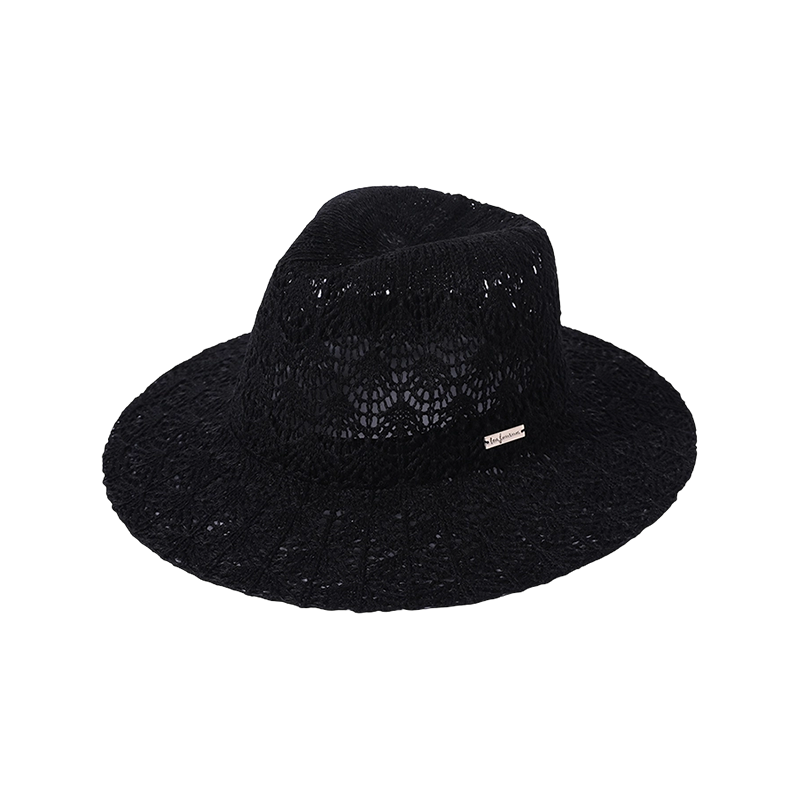
Zhejiang Kaijia Craft Co., Ltd. produces Handcrafted Straw Hats for Women across raffia, paper straw, and natural straw in a range of styles, weave types, and customization options suited to both retail and wholesale requirements. If you are building a collection, placing a sourcing inquiry, or evaluating material options for a specific market, reaching out with your scenario - volume, target season, aesthetic direction, and end-use context - is the practical next step. The right material decision starts with the right conversation, and getting the match between material and market right from the sourcing stage is what separates a product that sells from one that sits.

Contact Us
-
Add:
Linchuan Industrial Zone, Songmen Town, Wenling City, Taizhou City, Zhejiang Province, China -
Phone:
+86-13906563499 -
Wechat:
+86-13906563499 -
Email:
Lois@zjkjcrafts.com
Send Us
an Inquiry
Copyright © Zhejiang Kaijia Craft Co., Ltd. All Rights Reserved.

OEM Handmade Crafts Manufacturer