

 En
En  Español
 中文简体
中文简体
Submit feedback
Industry News

Why Choose Handcrafted Straw Hats for Women in Summer?
 2026.05.08
 Industry News
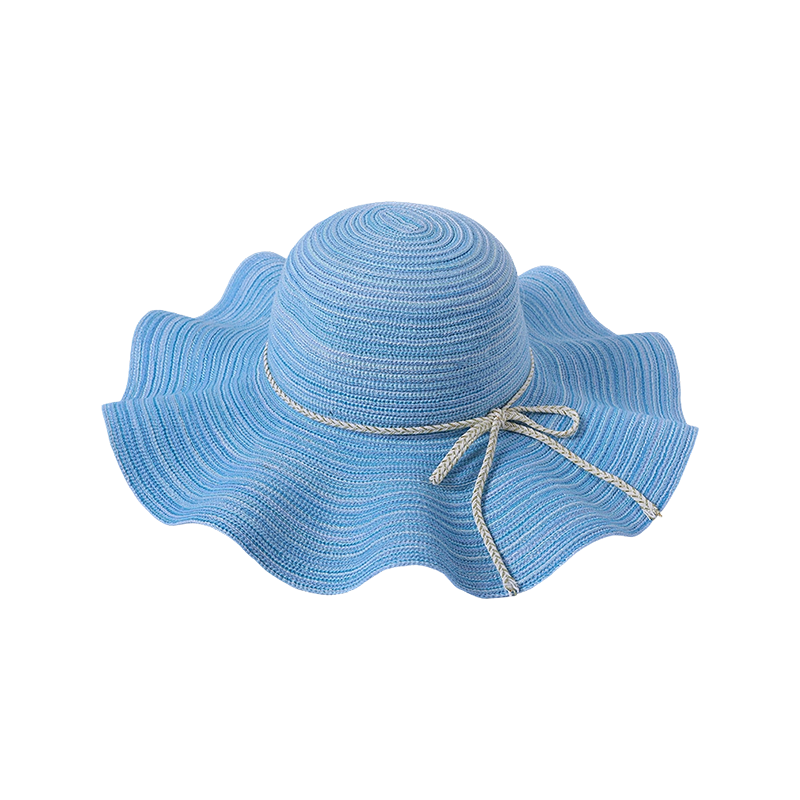
As temperatures rise and outdoor exposure becomes a daily reality, the choice of summer headwear shifts from an aesthetic consideration to a functional one. A hat that traps heat, adds weight, and fails to breathe does not protect — it compounds discomfort. Handcrafted Straw Hats for Women address this directly, combining the natural breathability of woven fiber with construction quality that synthetic alternatives rarely replicate. The difference is not cosmetic. It is rooted in how natural materials handle heat, airflow, and prolonged wear — and understanding that difference is what separates a hat that sits unused from one that becomes a reliable part of a summer wardrobe.
Why Does Heat Build Up Under a Hat in the First Place?
The head releases a notable amount of body heat, and headwear that traps it creates a feedback loop — the warmer you get, the more uncomfortable the hat becomes, and the more likely you are to take it off entirely, losing whatever protection it was providing.
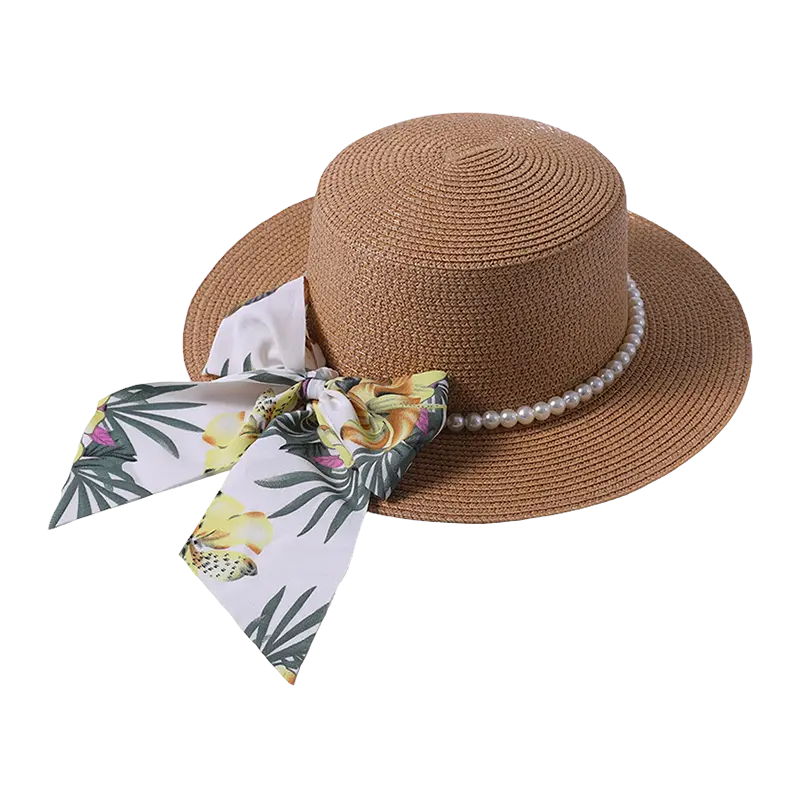
Synthetic materials seal the space between your scalp and the outside air. Heat and moisture have nowhere to go. Natural straw works differently — the open weave lets air move freely, so heat and perspiration escape rather than build up. The result shows up not just in the first ten minutes of wearing the hat, but through a full afternoon in the sun.
What Makes Straw Genuinely Breathable?
The Open Weave Structure
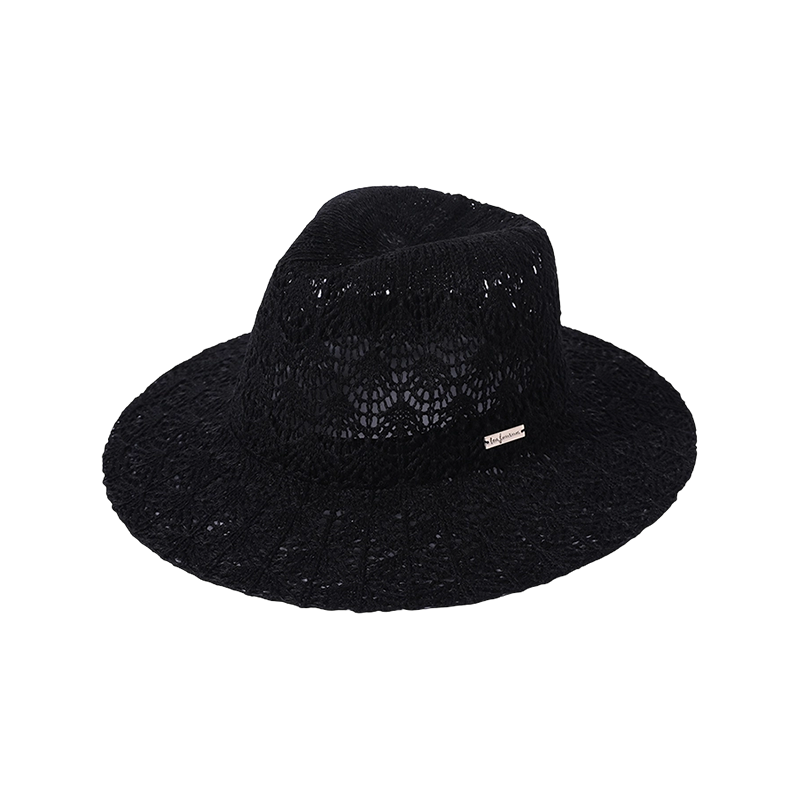
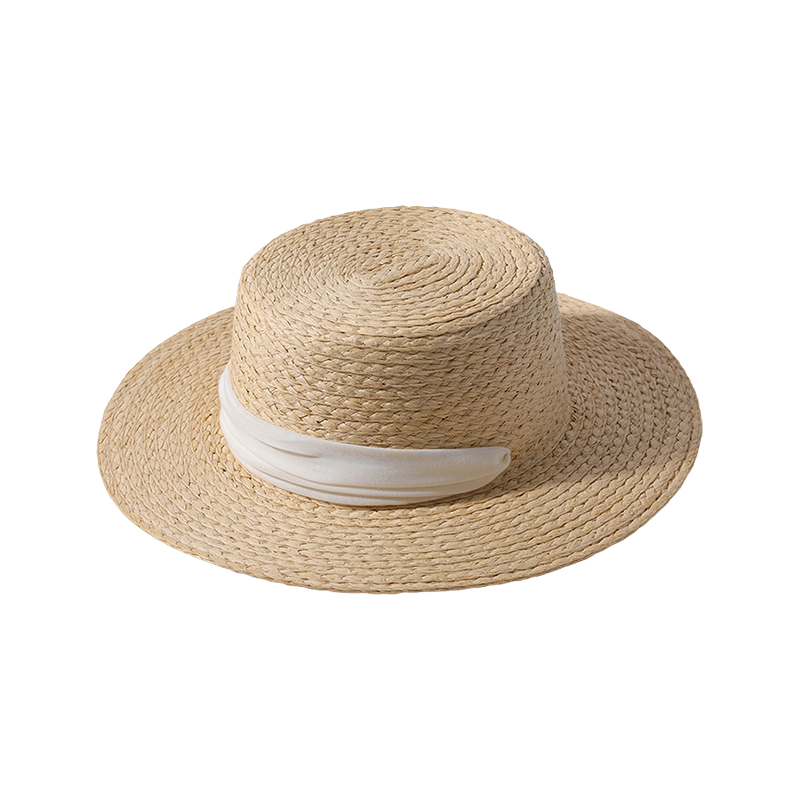
Natural straw — palm leaf, raffia, seagrass, and similar fibers — is woven rather than pressed or bonded. The gaps between fibers are intentional, forming a network of small air channels that allow movement between the hat's interior and the outside. This is not a decorative detail. It is the functional reason natural straw has been used for sun protection across cultures for a very long time.
Weight That Does Not Tire the Head
Beyond airflow, weight matters more than people expect. A heavy hat increases pressure and fatigue over time, especially in heat. Handwoven straw hats are generally lighter than fabric or felt alternatives — light enough to wear through beach days, market visits, garden afternoons, and travel without the hat itself becoming part of the problem.
Does Straw Actually Protect Against the Sun?
Sun protection from a hat comes down to two things: coverage and material density. A wide brim handles the coverage side. Natural straw offers a degree of resistance to UV radiation, particularly when the weave is reasonably firm. The practical payoff is shade for the face, neck, and upper shoulders — the areas that catch the most sun during outdoor activity.
A few features that directly affect how much protection a straw hat provides:
- Brim width: A wider brim pushes the shaded area further down onto the shoulders and neck
- Weave density: A tighter weave reduces how much direct light passes through the crown
- Crown height: A taller crown puts more air space between the hat surface and the scalp, lowering heat transfer
There is also a practical angle that gets overlooked: a hat you are comfortable wearing is one you actually keep on. Protection that comes off at the first sign of discomfort is not doing its job.
Why Handcrafted Construction Changes the Experience
Mass-produced hats — even those made from natural materials — are typically shaped or pressed by machinery to a standard template. Handcrafted hats are built differently, and that difference shows up in how they wear over time.
Structural Detail That Holds Up
When a hat is woven by hand, the tension across the weave is adjusted as the maker works — responding to the material and the form rather than following a fixed machine setting. This produces a structure that holds its shape more consistently and responds differently to humidity and temperature than one that was pressed into shape in a factory.
Handcrafted straw hats tend to:
- Keep their form through repeated wear and storage
- Develop a slight fit to the wearer's head shape over time
- Show consistent weave quality across the full surface, including the crown-to-brim transition
Materials That Stay What They Are
The fibers used in handwoven hats — raffia, palm, seagrass — are selected for their natural properties and are not chemically treated to behave like something else. They stay breathable and flexible in a way that processed alternatives often do not. A hat made from quality natural fiber, properly cared for, holds up considerably better than one built from material that mimics natural texture without keeping natural function.
Design That Fits Women's Wardrobes
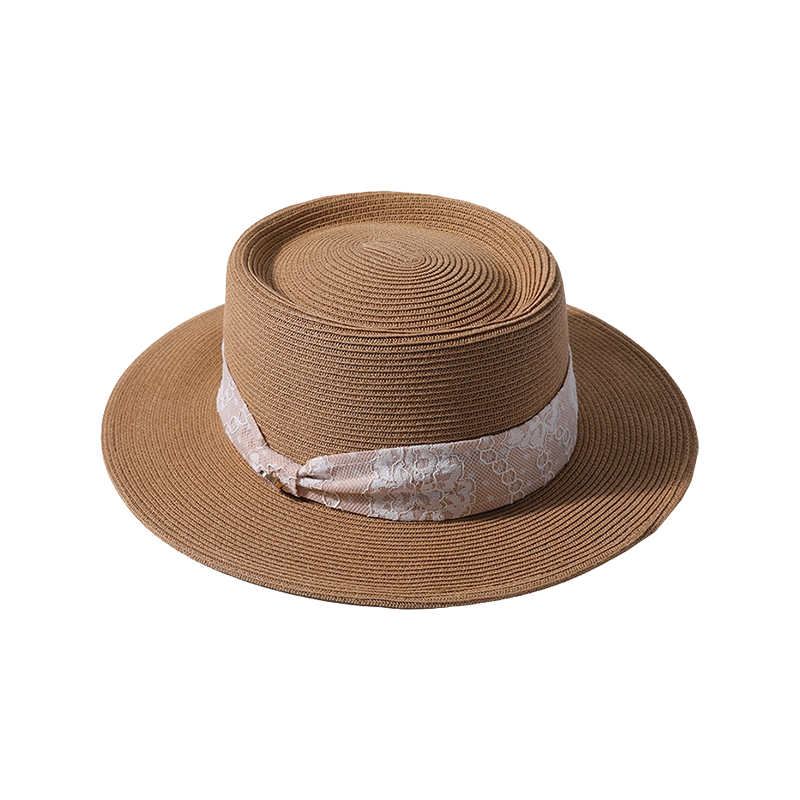
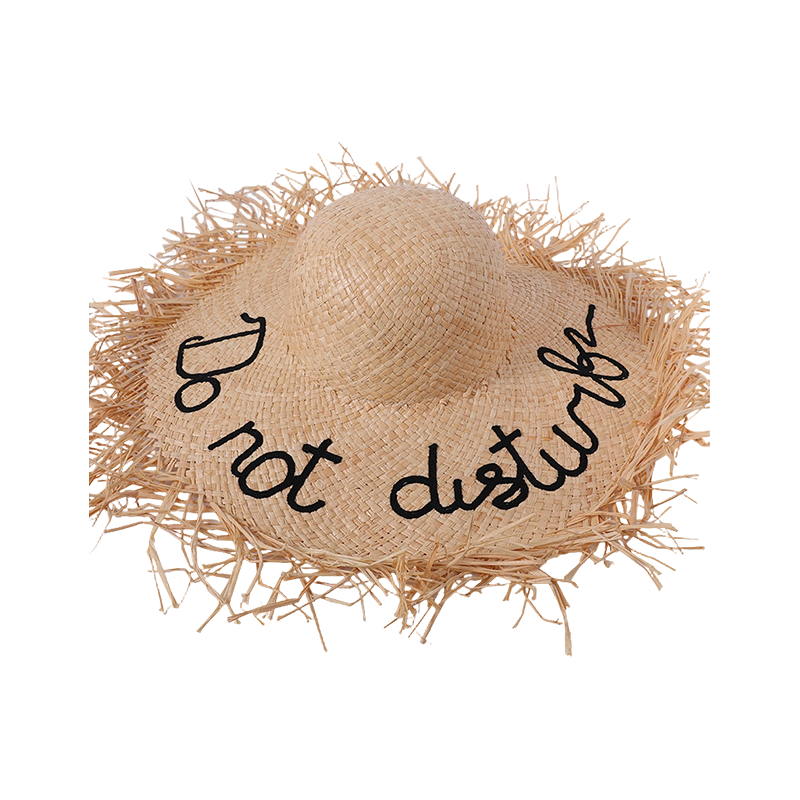
Handcrafted production allows for variation that machine production resists. Brim shape, crown height, trim detail, and overall silhouette can be adjusted to suit different aesthetics — from a clean, minimal sun hat to a structured wide-brim style with ribbon or woven detail. A hat that fits well, works with the face shape, and complements an outfit gets worn. One that does not, does not.
Comparing Natural Straw Hats to Synthetic and Fabric Alternatives
| Feature | Natural Straw (Handcrafted) | Synthetic / Fabric Hats |
|---|---|---|
| Breathability | High — open weave allows continuous airflow | Low to moderate — closed construction traps heat |
| Weight | Light — minimal fatigue over a full day | Varies — often heavier in structured styles |
| Sun protection | Good — wide brim with natural material resistance | Variable — depends on material and construction |
| Shape retention | Strong — natural fiber holds form over time | Variable — synthetic can distort with heat or humidity |
| Longevity with care | High — natural fiber ages well with proper storage | Moderate — synthetic materials wear differently |
| Sustainability | Natural, biodegradable, minimal processing | Often petroleum-based or chemically treated |
| Style range | Wide — handcrafted allows silhouette and trim variation | More limited — standardized shapes and finishes |
How to Style These Hats Across Summer Occasions
One quality that tends to get underplayed is how broadly a well-made woven hat works across different settings. The same hat shifts between contexts depending on how it is worn.
Beach and Resort
A wide-brim natural straw hat over a swimsuit or cover-up is one of the cleaner summer combinations there is. It does practical work — shading the face and shoulders — while reading as a deliberate style choice. Loose hair or a low bun keeps the proportions easy.
Casual Everyday Wear
Paired with linen trousers, a simple dress, or shorts, a mid-brim straw hat lifts an otherwise unremarkable outfit without much effort. The texture of natural material adds something that a plain fabric hat simply does not have.
Summer Travel
A packable straw hat that can be reshaped after being folded is genuinely useful when packing. Look for styles with some flex in the brim rather than a rigid construction — these handle a bag or overhead compartment considerably better.
Elevated Summer Events
For garden parties, outdoor weddings, or occasions that sit between casual and formal, a structured straw hat with a ribbon or woven trim reads as a considered accessory. The key is proportion — it should complement the outfit, not compete with it.
What to Look for When Choosing a Quality Straw Hat
Weave Quality
Hold the hat up to a light source and look at the crown. A good weave is consistent — the gaps are even, the fibers are smooth, and no areas are noticeably looser or tighter than the surrounding surface. An uneven weave is a sign the hat will not hold its shape or breathability uniformly.
Brim Structure
The brim should sit flat or curve intentionally rather than droop unevenly. A well-built brim holds its position through wear and light humidity exposure. A brim stiffened with heavy chemical treatment may feel firm at first but tends to become brittle over time.
Fit and Comfort
The hat should stay in place without needing constant adjustment. An internal band or adjustable fitting distributes weight evenly and keeps the hat from shifting in wind. A hat that requires effort to keep on the head will not make it through a full outdoor day.
Material Identification
Raffia, palm leaf, seagrass, and paper straw all behave differently in wear and storage. Natural fiber options are generally more durable and breathable than paper-based alternatives. When sourcing or purchasing, asking about the specific fiber gives a much clearer picture of what to expect over time.
How to Care for a Natural Straw Hat
Maintenance is straightforward — the main risks are prolonged moisture exposure and shape loss from poor storage.
- Cleaning: Wipe the surface with a slightly damp cloth. Avoid submerging the hat or using chemical cleaning products, which can break down natural fiber.
- Drying: If the hat gets wet, reshape it by hand while still damp and let it dry away from direct heat sources.
- Storage: Store upright on a flat surface or hung from the crown rather than compressed under other items. A hat box helps for longer storage periods.
- Packing for travel: Pack crown-down with soft items around it, or wear it in transit. Flexible brim styles handle compression far better than rigid ones.
Why Craftsmanship Holds Its Value Over Time
There is a practical case for handcrafted quality that goes beyond how something looks. A hat made with care around material selection, weave tension, and structural integrity simply lasts longer than one built to a cost threshold rather than a quality standard.
Fast fashion accessories are generally designed to be replaced seasonally — the materials are chosen for visual effect at the point of purchase rather than for how they perform over time. A handwoven straw hat, maintained properly, stays functional and stylish across multiple summers. For those sourcing at wholesale or retail level, that longevity translates directly into product value. A hat that holds up earns the repeat purchase. One that falls apart quickly does not.
Handcrafted Straw Hats for Women represent a category where material quality, construction method, and design intention come together in a way that genuinely improves the wearing experience. The breathability is built into the material and the weave — not a feature claim. The sun protection is practical. The style range means these hats work across occasions rather than serving a single context. Zhejiang Kaijia Craft Co., Ltd. specializes in handwoven hats and accessories made from natural materials, covering a range of styles, materials, and custom specifications for wholesale and retail buyers. If you are developing a summer accessories line, sourcing for a retail program, or evaluating suppliers for natural fiber hats, reaching out to their team is a practical way to understand what is available in terms of styles, materials, and production capacity.

Contact Us
-
Add:
Linchuan Industrial Zone, Songmen Town, Wenling City, Taizhou City, Zhejiang Province, China -
Phone:
+86-13906563499 -
Wechat:
+86-13906563499 -
Email:
Lois@zjkjcrafts.com
Send Us
an Inquiry
Copyright © Zhejiang Kaijia Craft Co., Ltd. All Rights Reserved.

OEM Handmade Crafts Manufacturer