

 En
En  Español
 中文简体
中文简体
Submit feedback
Industry News

What Should You Know About Sustainable Raffia Straw Hats?
 2026.04.03
 Industry News
Sustainable raffia straw hats are a category of headwear made from natural plant-based fibers. Raffia fibers are typically sourced from the leaves of the Raphia palm genus, which grows in parts of Africa and Madagascar. These hats are part of a broader group of natural-fiber accessories that circulate in markets oriented toward environmentally conscious materials, seasonal fashion, and outdoor apparel. Because raffia is a renewable material, hats made from raffia fibers are sometimes classified as sustainable alternatives to synthetic headwear.
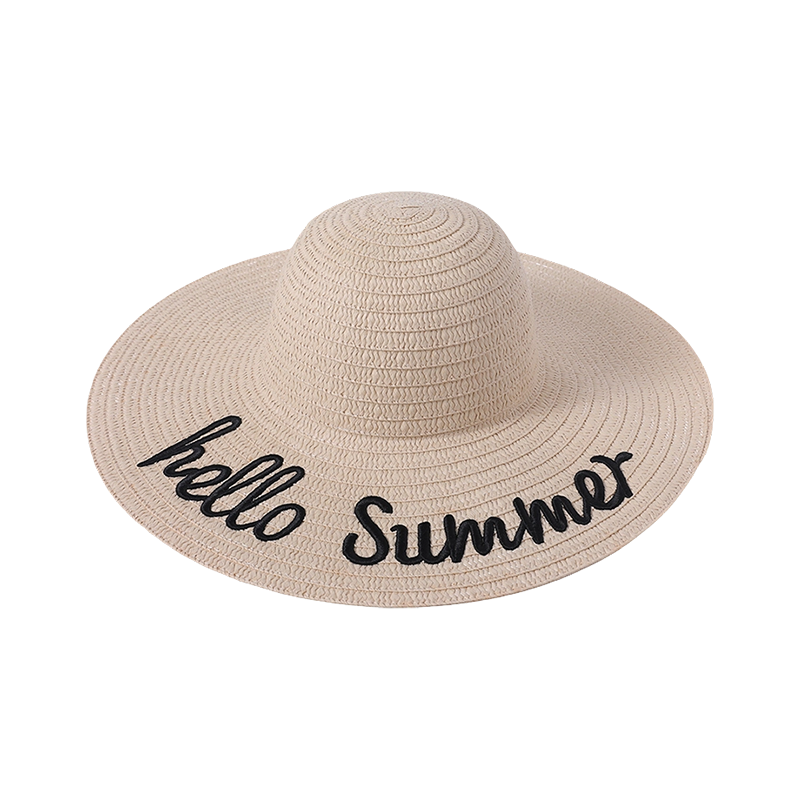
What Types of Sustainable Raffia Straw Hats Are Available?
Sustainable raffia straw hats are available in a range of forms. Their shapes, structures, and finishing features vary according to function and style. While naming conventions can differ by brand, the following categories capture common distinctions.
1. Brim Shape Variations
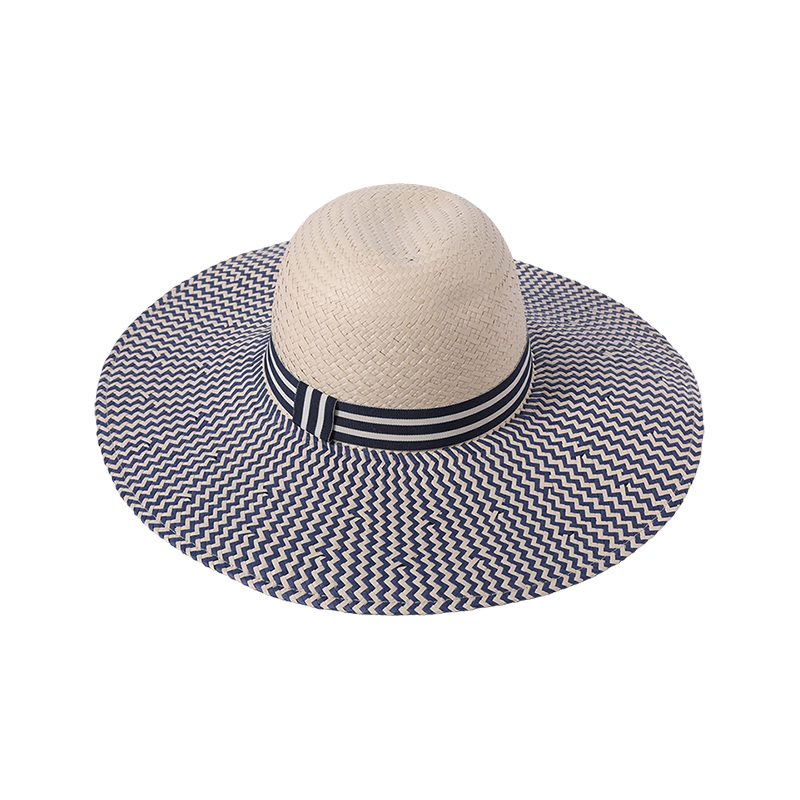
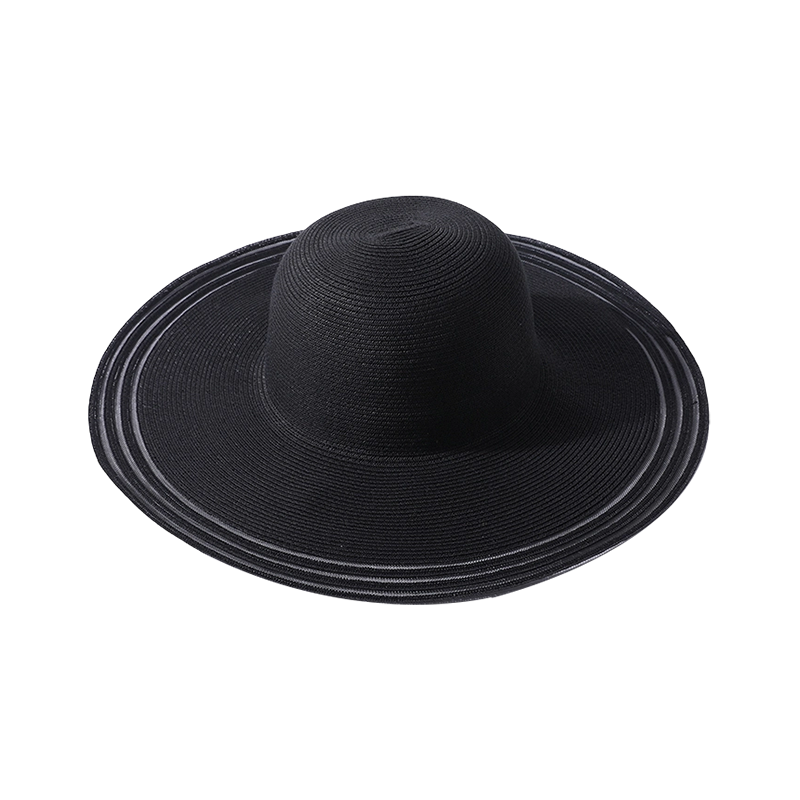
Wide brim hats: These hats have extended brims that provide additional shading for the face and neck. They are often marketed for outdoor and warm-weather use.
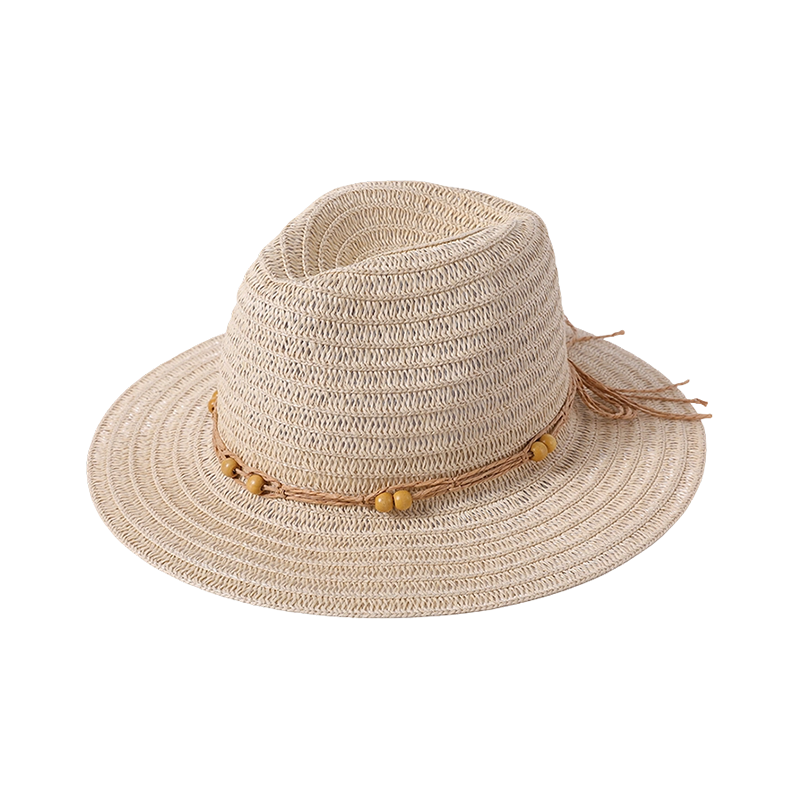
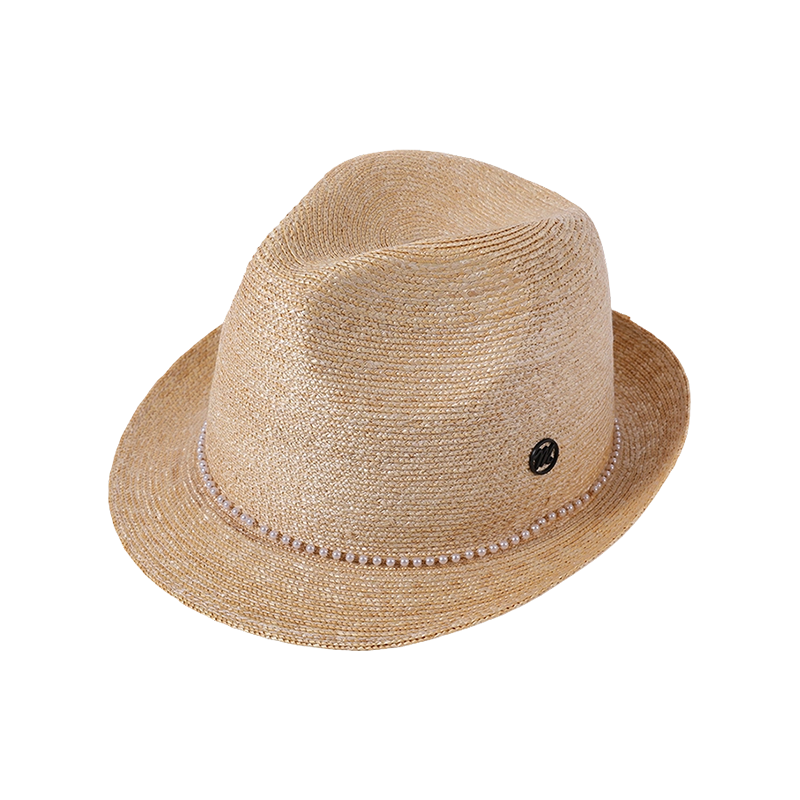
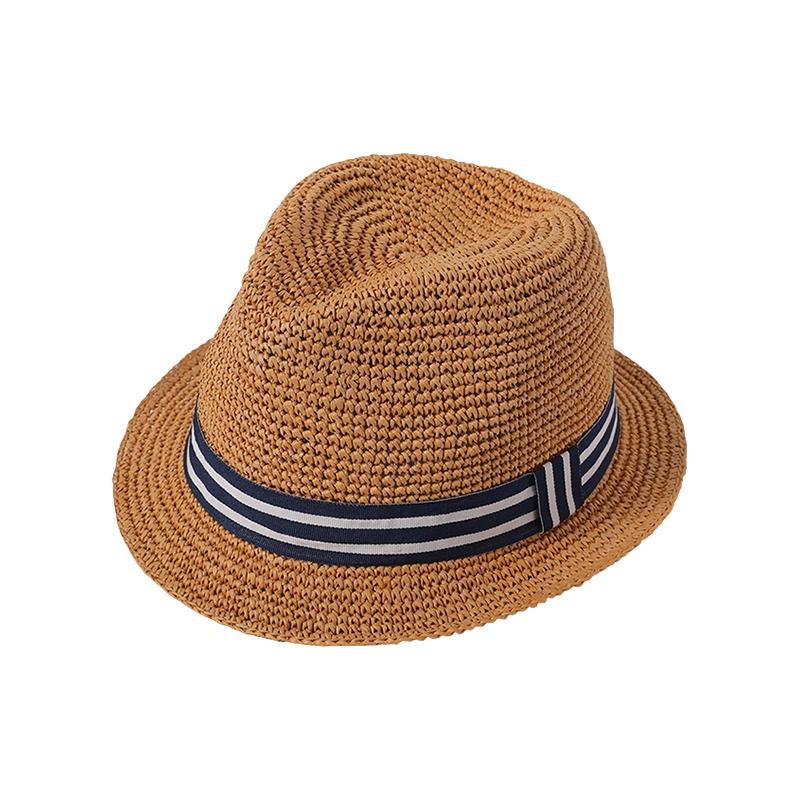
Fedora-style hats: These designs have a narrower brim and a distinct crease in the crown, suited to everyday or urban wear.
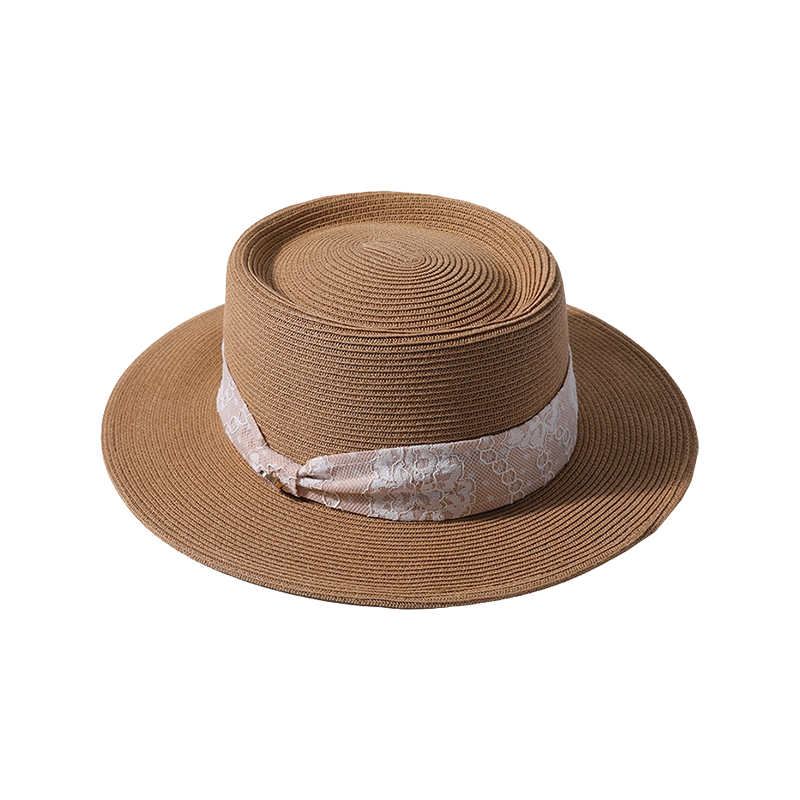
Boater hats: Characterized by a flat crown and a straight brim, boater styles have a more structured profile and are sometimes paired with decorative bands.
These variations allow consumers to choose a hat based on intended use, face shape, or personal style.
2. Weave Density and Fiber Treatment
Tightly woven models: These have closer fiber spacing, which can provide more uniform surface coverage and reduced sun penetration.
Looser weave or ventilated models: These allow more airflow and may be lighter but can offer less shading performance.
Natural tone vs. dyed fibers: Some sustainable raffia hats retain the natural color of the fiber, while others use plant-based or low-impact dyes to achieve colored finishes.
Together, these variations reflect both aesthetic preferences and functional considerations related to breathability and sun coverage.
Why Are Sustainable Raffia Straw Hats Worth Buying?
Sustainable raffia straw hats attract interest from consumers for reasons related to material properties, environmental orientation, and product use. These reasons can be grouped under functional benefits, environmental considerations, and social aspects.
Material-Based Benefits
Natural lightweight fibers
Raffia straw is lighter than many synthetic headwear materials, which can make hats more comfortable to wear for long periods.
Air circulation
The fiber structure and weaving patterns allow air movement, which can help reduce heat retention in warm conditions.
Biodegradable content
Raffia fibers are plant-derived and can degrade under natural conditions over time, which contrasts with persistent synthetic polymers.
These aspects relate to practical performance in everyday use rather than subjective evaluations of quality.
Environmental Orientation
Renewable source
Raffia is derived from plant leaves that can regenerate as part of the palm's growth cycle, making the raw material renewable.
Reduced reliance on synthetic fibers
Choosing raffia over petroleum-based materials may align with consumer preferences for natural-fiber products.
Potential for low-impact finishing
When manufacturers use low-impact dyes or minimal chemical treatments, the overall environmental footprint of the hat can be lower compared with heavily processed alternatives.
Consumers who make purchasing decisions based on material sourcing and life-cycle characteristics may find these aspects relevant.
Social and Economic Considerations
Artisanal labor
Some raffia straw hats are handwoven by craftspeople. Products that support traditional craft economies may appeal to consumers who value labor-based design processes.
Local sourcing narratives
Depending on the supply chain, raffia fibers and weaving labor may be sourced from specific regions, providing cultural context for the product.
These considerations do not guarantee a particular economic outcome but reflect factors that consumers may consider when evaluating a purchase.
How Are Sustainable Raffia Straw Hats Designed?
The design of sustainable raffia straw hats involves material selection, weaving technique, structural shaping, and functional detailing. Each stage contributes to the overall form and performance of the finished hat.
Material Selection and Fiber Preparation
Harvesting raffia fibers
Fibers are obtained from mature Raphia palm leaves, which are typically harvested by hand.
Drying and sorting
After harvest, fibers are dried to reduce moisture and sorted by length and thickness to achieve uniformity for weaving.
Optional fiber conditioning
Some manufacturers use steam or light soaking to soften fibers before weaving, which can help achieve smoother braid surfaces.
This preparatory work defines the basic material properties available for weaving and shaping.
Weaving Techniques
Braiding process
Strips of raffia fibers are braided into continuous strands or bands.
Circular weaving
These strands are interlaced in a circular or spiral pattern, beginning at the crown and extending outward to form the brim.
Adjustments for shape
Weavers control curvature and brim width through tension, stitch pattern, and successive rows of fiber.
Weaving consistency influences both the appearance and structural integrity of the hat.
Shaping and Finishing
Blocking or molding
The woven hat body is placed on a hat block or mold to define crown height and brim angle. Heat or steam may be applied to encourage the fibers to hold the intended shape.
Edge finishing
Brim edges may be trimmed, stitched, or bound to prevent fraying.
Decorative and functional additions
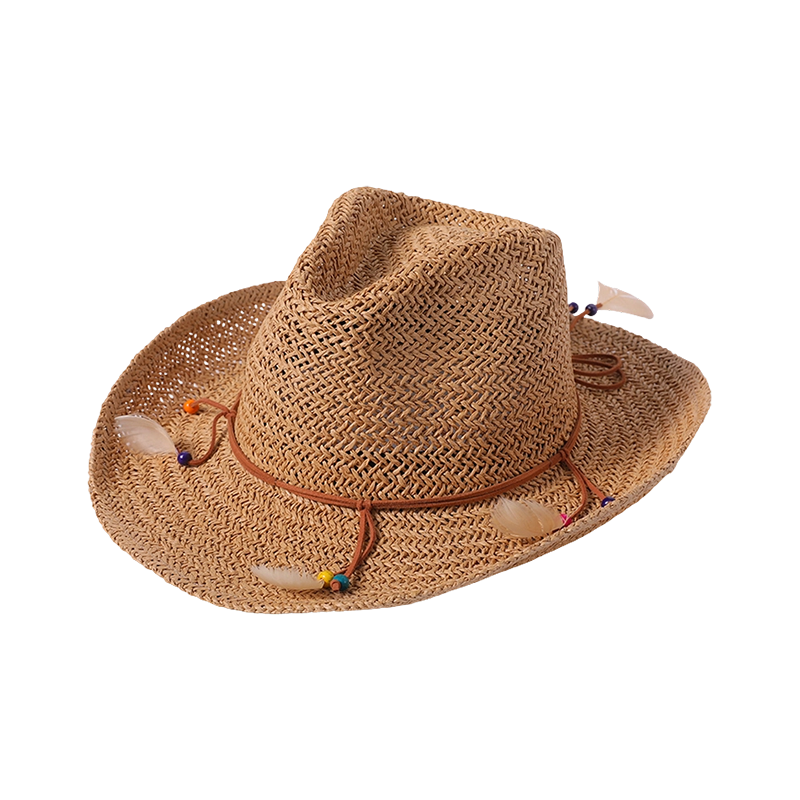
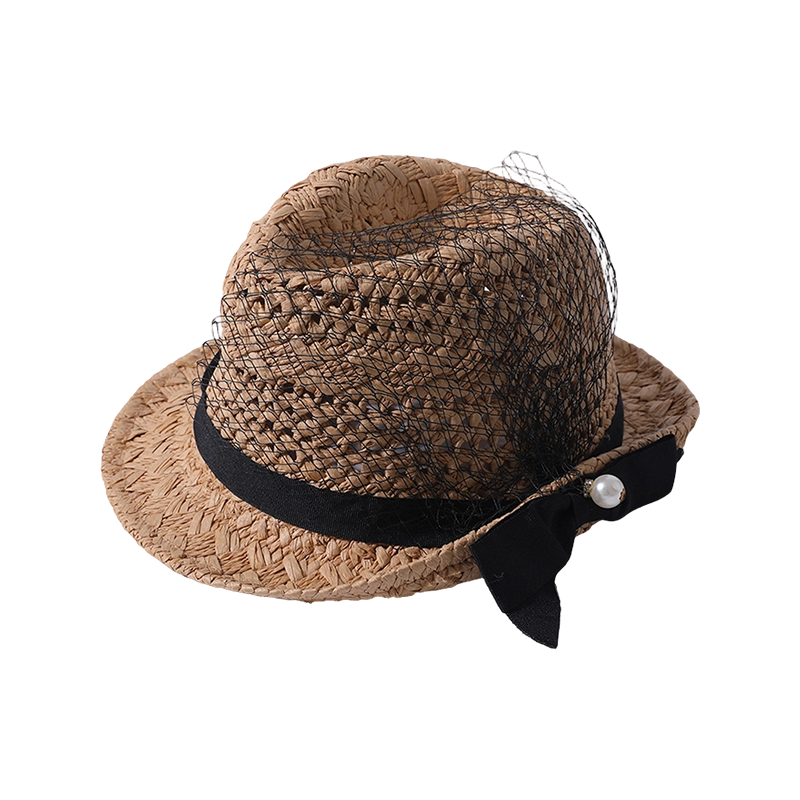
Some designs include inner sweatbands, external ribbons, or small trims that enhance wear comfort or aesthetics. Materials for these additions may be selected with sustainability guidelines in mind.
These design steps combine material behavior and structural shaping to produce the finished headwear.

Contact Us
-
Add:
Linchuan Industrial Zone, Songmen Town, Wenling City, Taizhou City, Zhejiang Province, China -
Phone:
+86-13906563499 -
Wechat:
+86-13906563499 -
Email:
Lois@zjkjcrafts.com
Send Us
an Inquiry
Copyright © Zhejiang Kaijia Craft Co., Ltd. All Rights Reserved.

OEM Handmade Crafts Manufacturer