

 En
 Español
 中文简体

Submit feedback
Industry News
 Home / News / Industry News / Woven Straw Hats: Which Material and Construction Details Affect Sourcing Decisions
Woven Straw Hats: Which Material and Construction Details Affect Sourcing Decisions
 2026.11.27
 Industry News
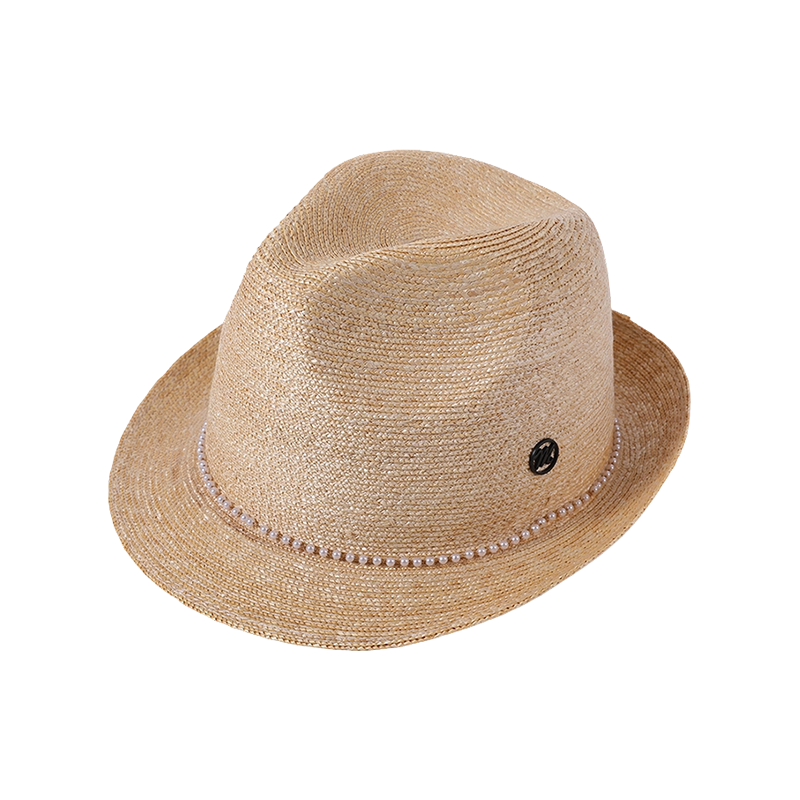
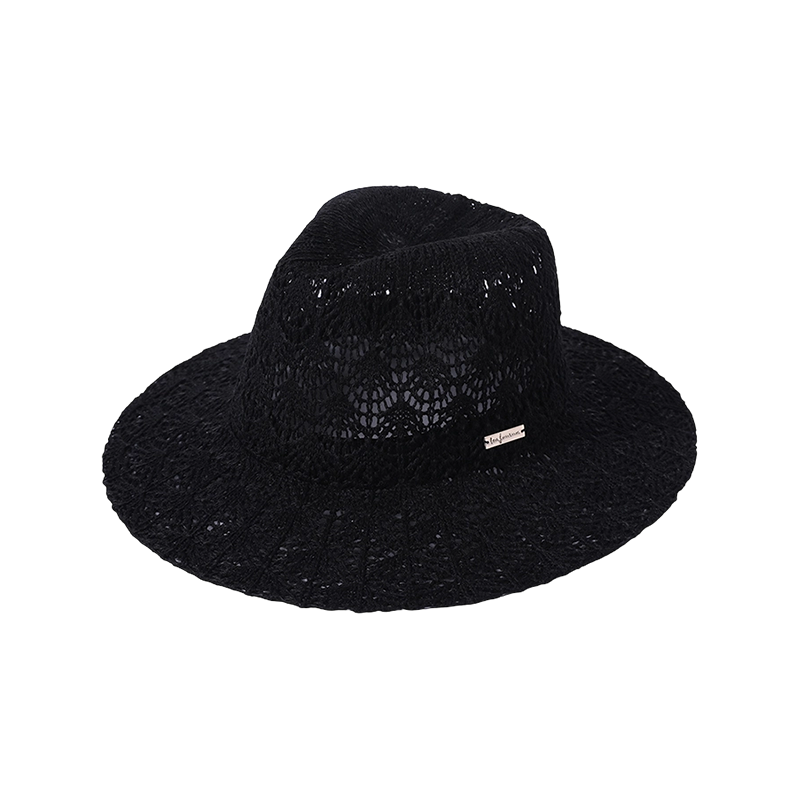
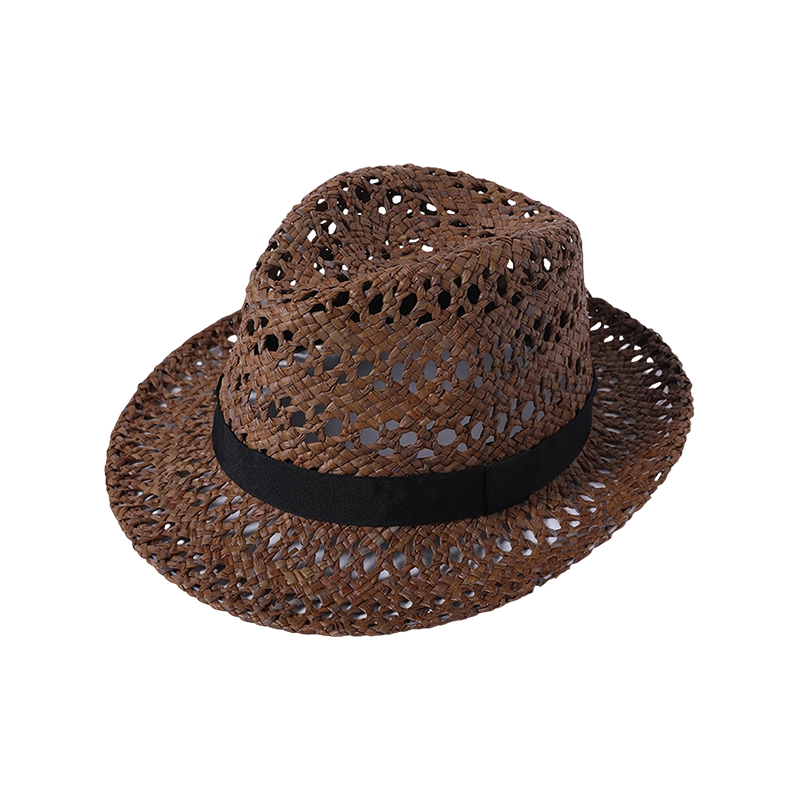
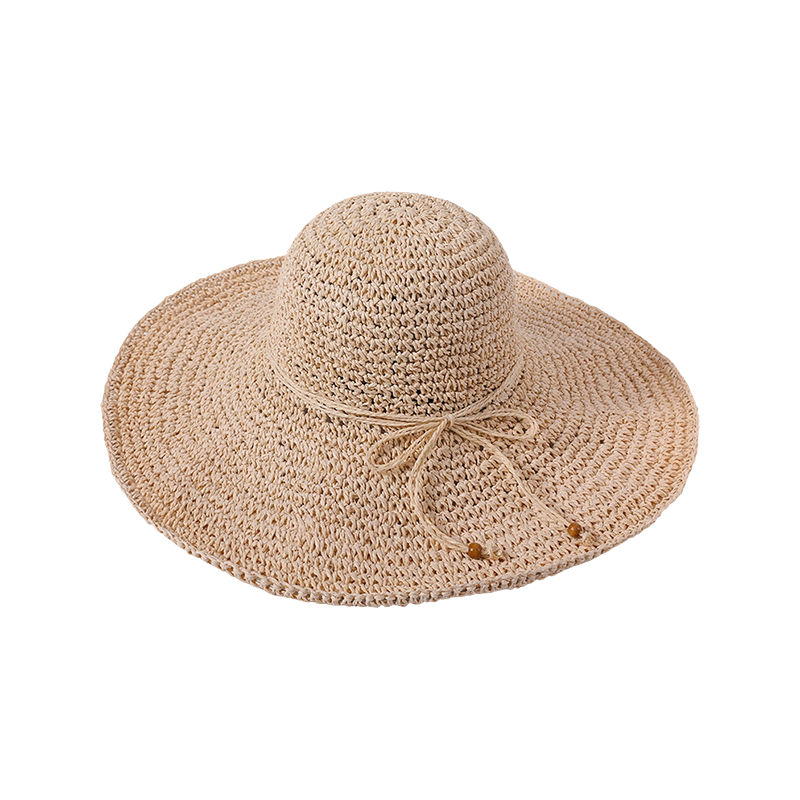
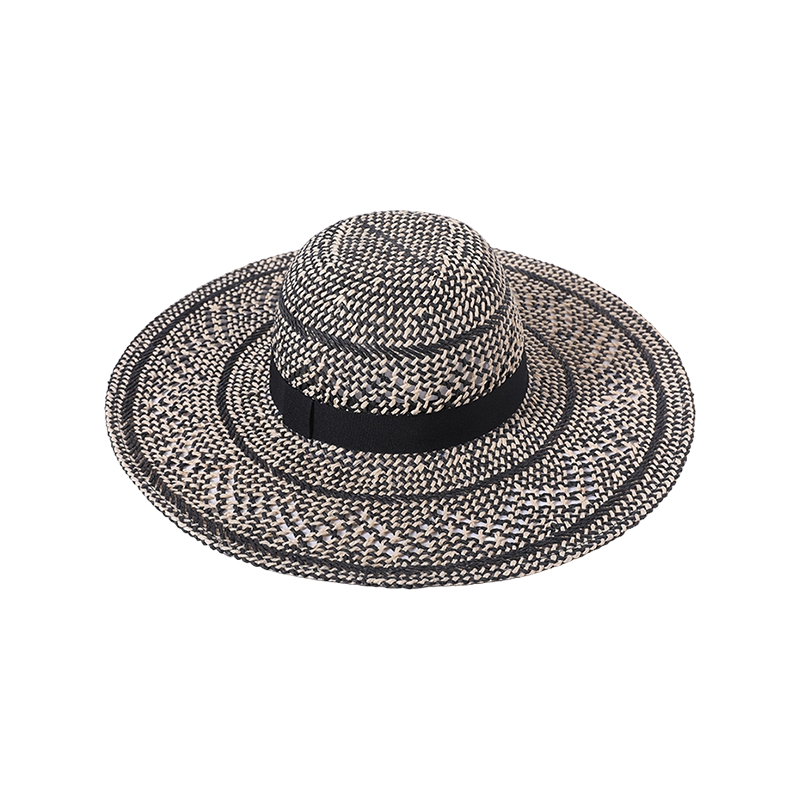
Woven straw hats remain an important category in summer fashion, resort accessories, and seasonal retail collections. Their natural textures and varied weaving patterns offer different styling possibilities for fashion brands and distributors. However, two hats with similar appearances may differ considerably in material composition, construction, flexibility, and finishing quality. A woven straw sun hat should therefore be evaluated through its material and manufacturing details rather than appearance alone.
At Zhejiang Kaijia Craft Co., Ltd., we understand that international buyers need clear product information before arranging wholesale orders. Material selection, weaving methods, structural design, and finishing requirements all influence the final product. The following factors can help purchasing teams prepare a more practical sourcing specification.

1. Understand the Differences Between Straw Materials
The term straw can refer to several natural and processed materials. Each option creates a different surface appearance and may require a different manufacturing approach.
- Natural straw: Offers an organic appearance with visible fiber characteristics. Buyers should check color variation, fiber thickness, and surface condition.
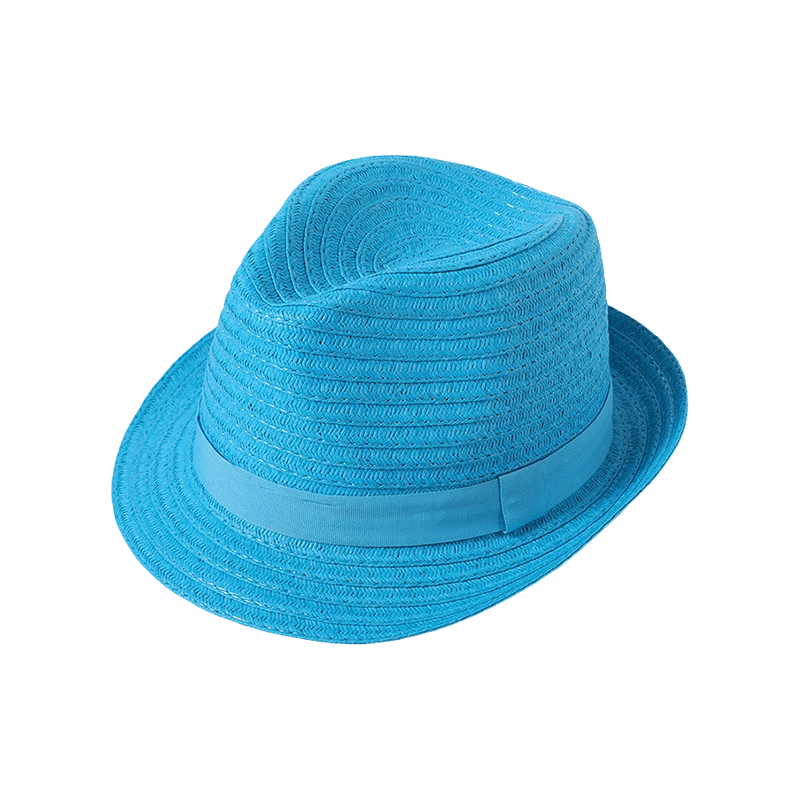
- Paper straw: Provides a processed material option for woven and braided hat designs. Its texture, flexibility, and moisture-care requirements should be confirmed.
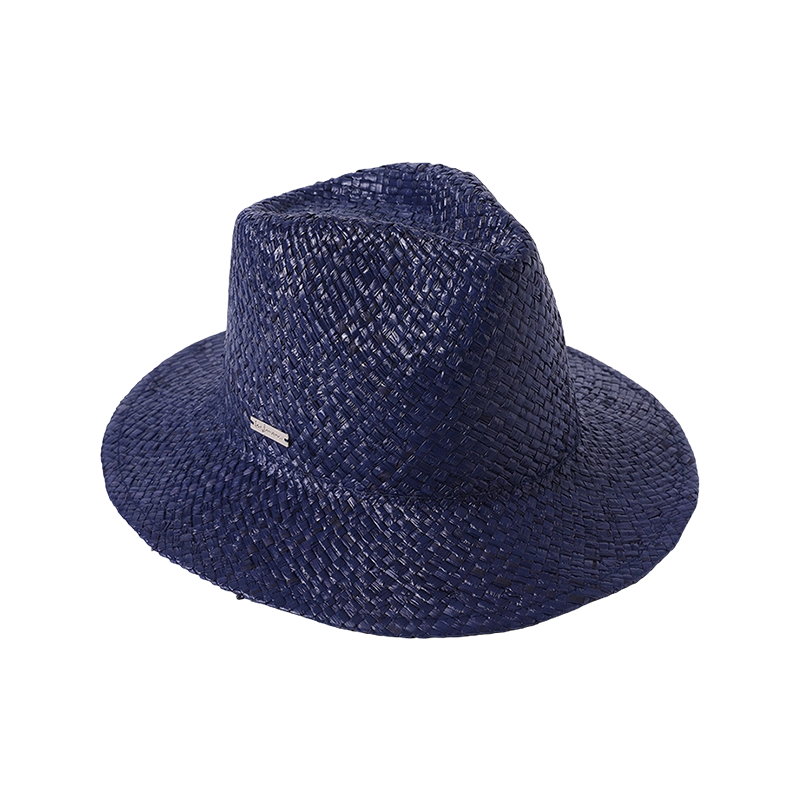
- Raffia: Known for its distinctive natural texture and suitability for various handcrafted accessories and hat styles.
- Blended or synthetic materials: Can provide alternative colors, textures, and construction possibilities depending on the intended product design.
Buyers should request the actual material composition rather than relying on general descriptions. A physical swatch can also help compare color, thickness, and surface texture before confirming an order.
2. Evaluate Weaving Density and Pattern Consistency
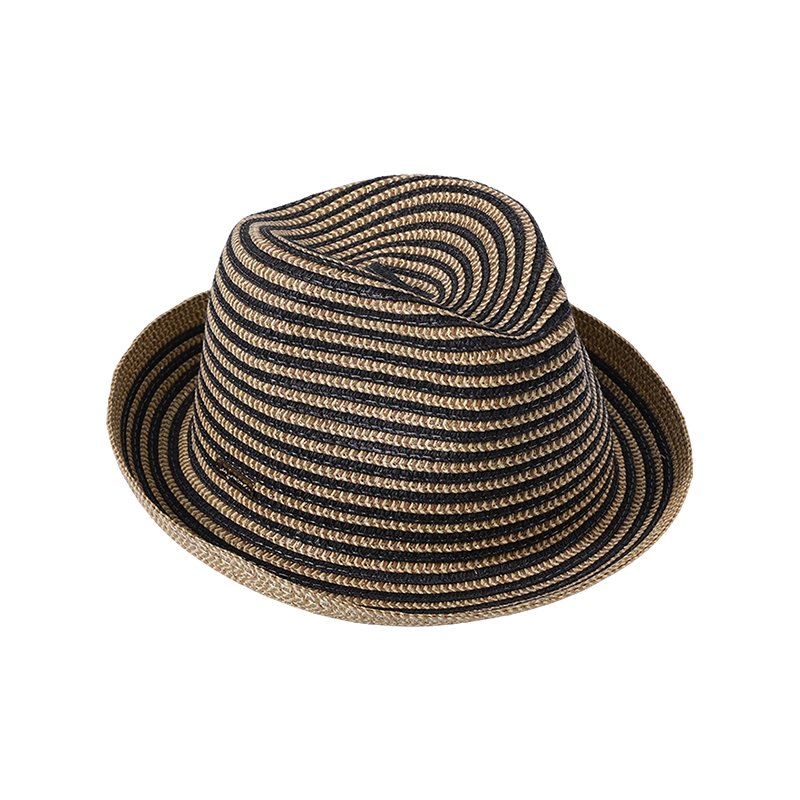
Weaving density affects the visual appearance and structural characteristics of a straw hat. Closely arranged fibers create a different finish from an open weaving pattern, while irregular spacing may influence the overall presentation.
During supplier evaluation, we recommend checking:
- Fiber spacing: Compare the distance between woven strands across the crown and brim.
- Weaving tension: Look for sections that appear excessively loose or compressed.
- Pattern alignment: Check whether the weaving direction remains consistent throughout the hat.
- Surface finish: Review loose fibers, uneven strands, and visible construction defects.
For wholesale projects, an approved physical sample provides a useful reference for comparing weaving appearance across production batches.
3. Consider How Construction Methods Affect the Finished Hat
Different construction methods produce different hat structures. Buyers should understand the manufacturing approach before confirming the final design.
- Direct weaving: Fibers are woven into a hat body, creating an integrated structure with a handcrafted appearance.
- Braid-and-sew construction: Prepared straw braids are joined through stitching to form the crown and brim. Braid width and stitch consistency influence the finished surface.
- Crochet construction: Yarn or suitable fibers are formed into a hat using looped stitches, offering different textures and flexibility.
- Panel construction: Pre-formed material sections are assembled to create the required silhouette.
Each method has different design and production considerations. The appropriate option depends on the desired appearance, material, structural requirements, and order specifications.
4. Check Crown Shape, Brim Design, and Edge Finishing
The crown and brim determine much of a hat's proportions. Even small dimensional differences can change the appearance of an entire collection.
We suggest including these measurements in the product specification:
- Head circumference: Defines the intended fitting range.
- Crown height: Influences the overall silhouette and wearing position.
- Brim width: Determines the visual proportions and shaded area.
- Brim curve: Can be flat, downward-sloping, or slightly raised.
- Edge finishing: Hemming, binding, or other finishing methods help define the brim's appearance.
For designs requiring a more structured profile, buyers should also discuss shaping methods and any suitable reinforcement components with the manufacturer.
5. Match Decorative Details with the Straw Surface
Decoration can change the market positioning of a woven hat. A simple natural design may suit casual retail collections, while ribbons, fabric bands, labels, and other accessories can create a more distinctive presentation.
Potential customization details include:
- Fabric or woven hatbands in coordinated colors.
- Customized labels and brand identification.
- Decorative ribbons and bows.
- Embroidery or other branding methods where the material structure allows.
Before approving decoration, buyers should check attachment strength, placement, color matching, and the effect on the hat's flexibility. A sample with the actual decorative components provides a more reliable reference than a digital design preview.
6. Include Packaging Requirements in the Sourcing Brief
Woven hats can be affected by compression during storage and transportation. Packaging arrangements should therefore correspond with the hat's shape and structural characteristics.
Buyers should confirm the individual packing method, carton dimensions, quantity per carton, and protective support. Wide-brim or structured hats may require additional space to reduce pressure on the crown and brim.
We also recommend checking a packed sample before confirming the shipping arrangement. This helps purchasing teams evaluate whether the selected carton configuration can protect the finished products during transportation.
7. Prepare a Clear Specification for Supplier Evaluation
Comparing suppliers becomes easier when every quotation is based on similar product requirements. A sourcing brief should include:
- Reference photographs or an existing product sample.
- Confirmed material composition and preferred color.
- Weaving or construction method.
- Crown, brim, and head circumference measurements.
- Decoration and customization requirements.
- Quality inspection expectations.
- Estimated order volume and packaging arrangements.
These details allow manufacturers to evaluate material availability, production feasibility, sample requirements, and quotation conditions more accurately.
Discuss Woven Hat Sourcing with Kaijia
Material composition and construction methods have a direct influence on the appearance and manufacturing requirements of woven straw hats. A clear product specification helps buyers compare different options and establish consistent expectations before bulk production.
At Zhejiang Kaijia Craft Co., Ltd., we work with international customers on woven hats and craft product sourcing projects. Our team can discuss material preferences, product dimensions, decorative details, sample arrangements, and packaging requirements according to individual project needs.
Contact Kaijia with your preferred hat style, reference images, target order volume, and market requirements. We welcome the opportunity to discuss suitable woven hat solutions for your upcoming collection.

Contact Us
-
Add:
Linchuan Industrial Zone, Songmen Town, Wenling City, Taizhou City, Zhejiang Province, China -
Phone:
+86-13906563499 -
Wechat:
+86-13906563499 -
Email:
Lois@zjkjcrafts.com
Send Us
an Inquiry
Copyright © Zhejiang Kaijia Craft Co., Ltd. All Rights Reserved.

OEM Handmade Crafts Manufacturer