

 En
 Español
 中文简体

Submit feedback
Industry News
 Home / News / Industry News / Can Handmade Hat Production Meet Consistent Wholesale Quality Requirements
Can Handmade Hat Production Meet Consistent Wholesale Quality Requirements
 2026.11.20
 Industry News
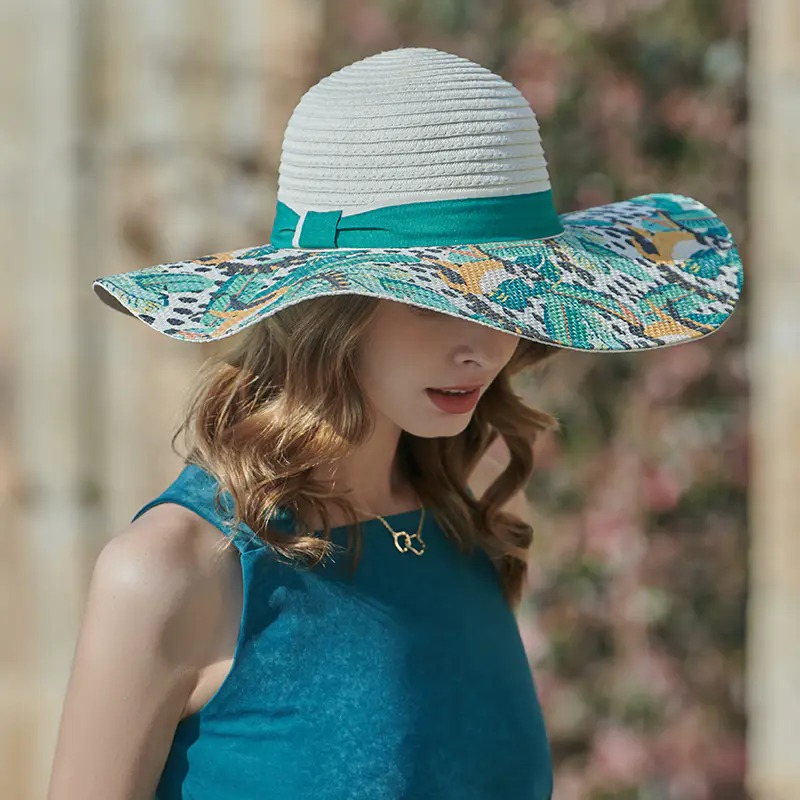
Handmade hats have a distinctive appeal in the fashion and accessories market. Their woven textures, carefully finished details, and handcrafted appearance attract retailers, boutique brands, and customers looking for products with a different character from fully machine-made alternatives. However, wholesale buyers often have an important concern: can handmade production maintain consistent quality across a large order?
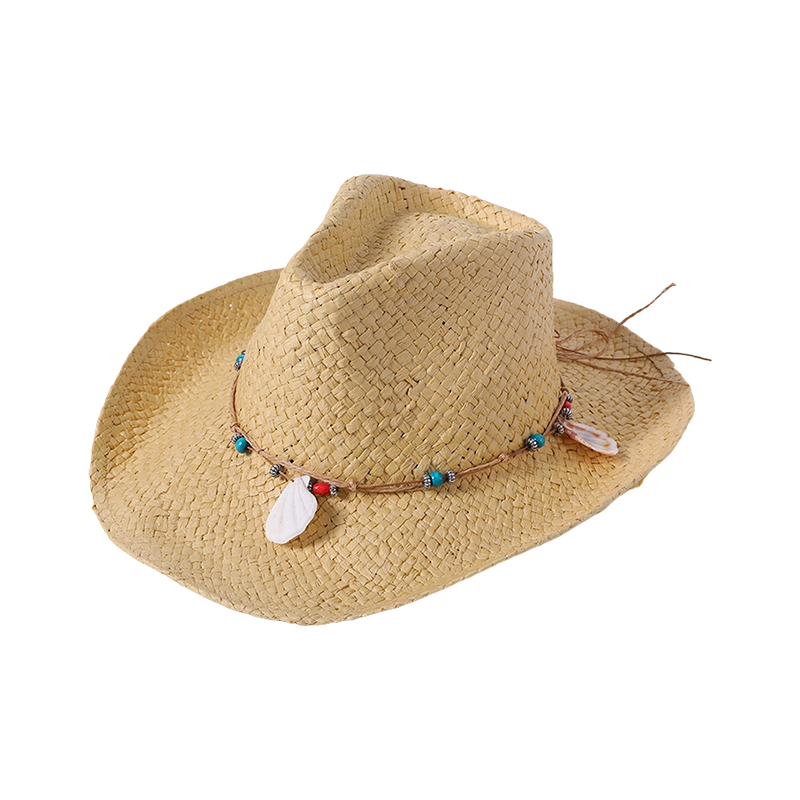
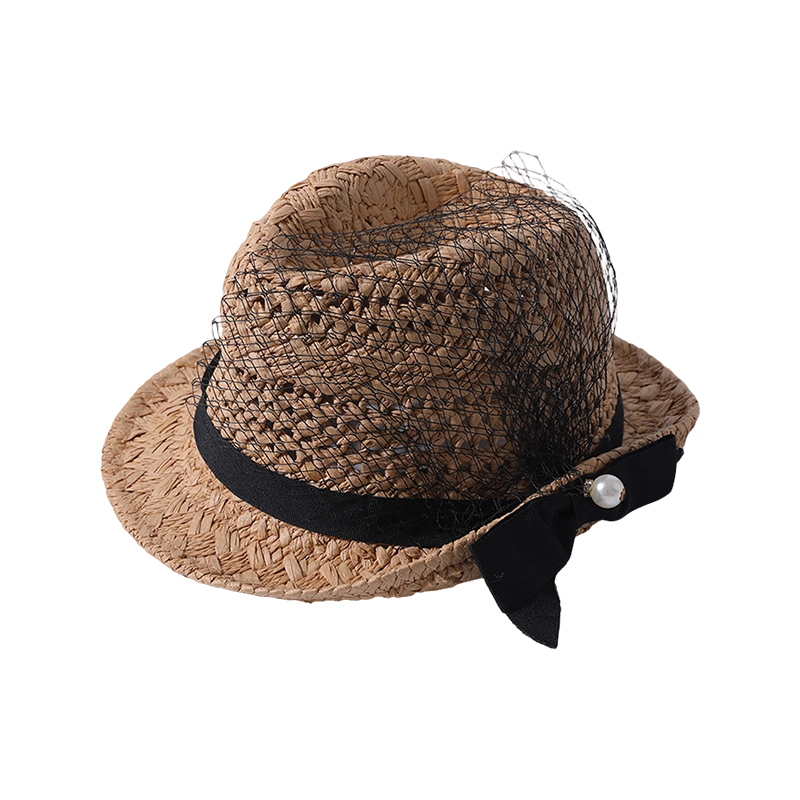
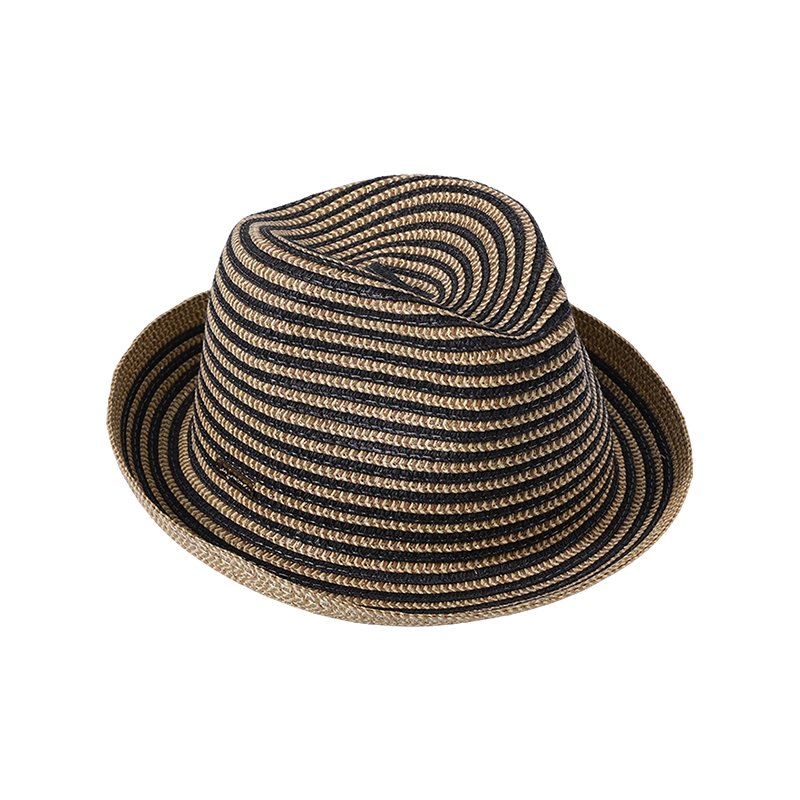
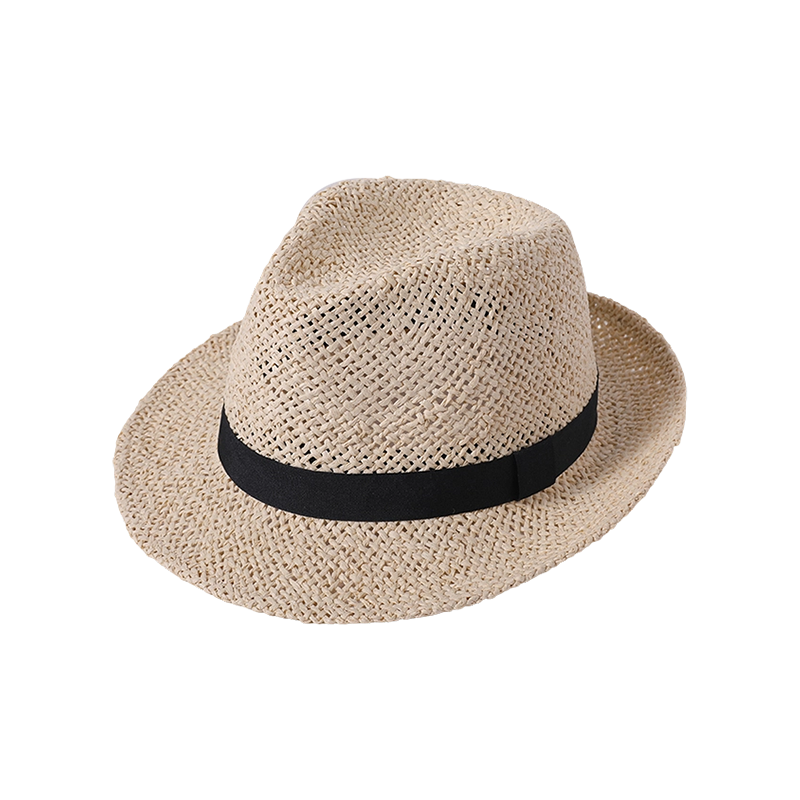
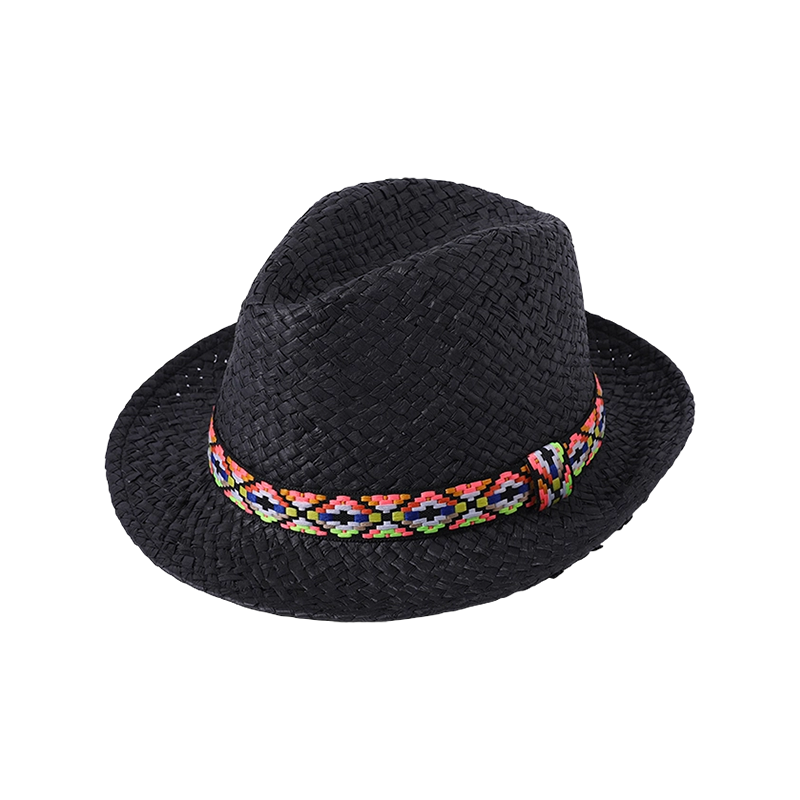
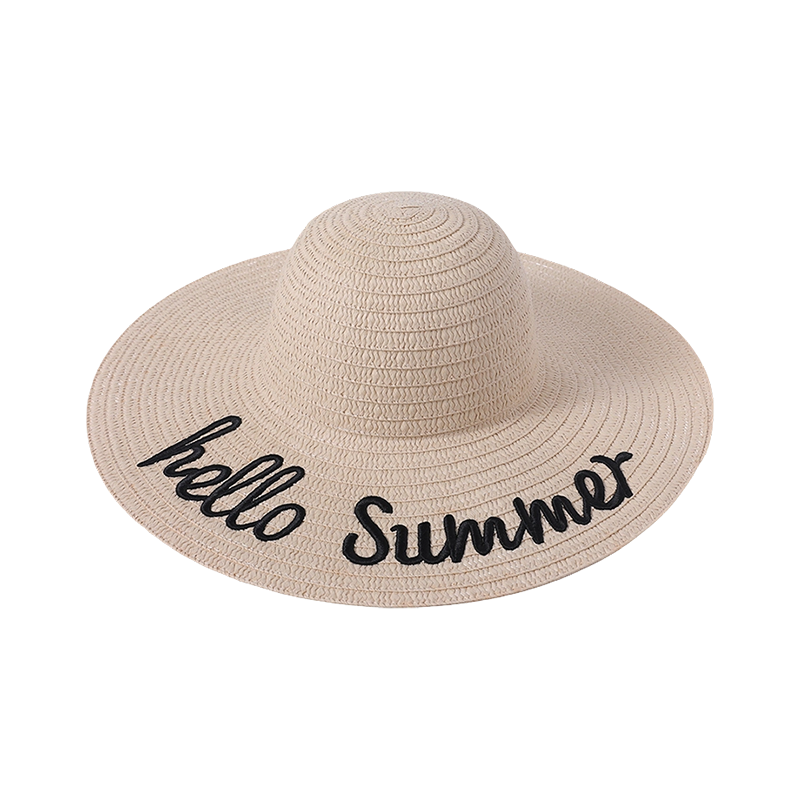
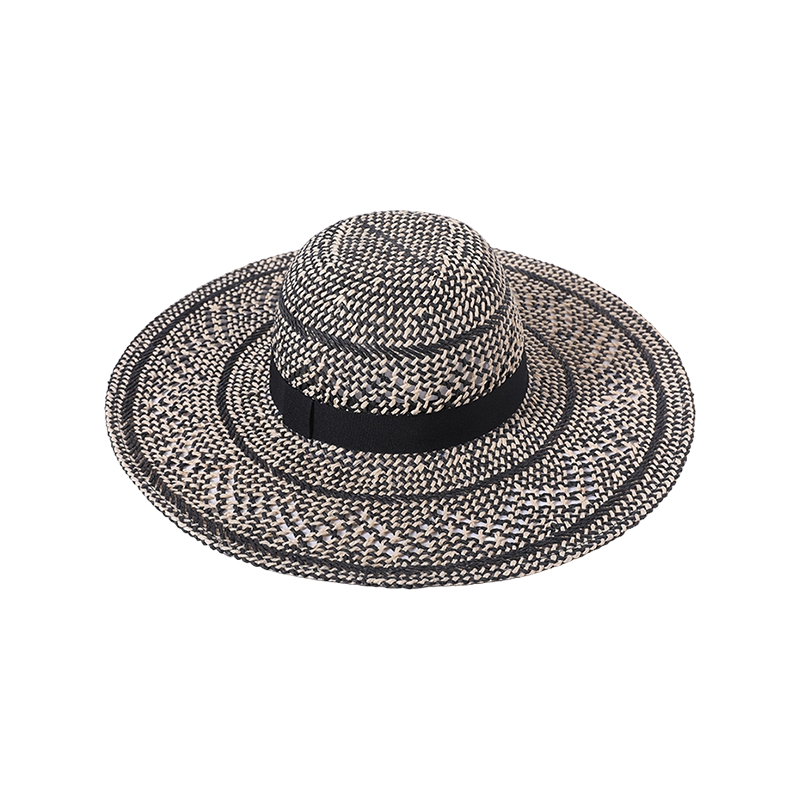
At Zhejiang Kaijia Craft Co., Ltd., we recognize that craftsmanship and production management need to work together. Our handmade womens hats and woven hat collections are developed with attention to material selection, construction details, and finishing requirements. With clear product specifications and organized inspection procedures, handmade production can support wholesale projects while retaining its individual craftsmanship characteristics.
1. Establish Clear Standards Before Production
Handmade production involves manual operations, so clear specifications are important for controlling differences between individual pieces. A product description alone may not provide enough information for consistent manufacturing.
We recommend confirming the following details before production:
- Hat dimensions: Define head circumference, crown height, brim width, and other relevant measurements.
- Material specifications: Confirm straw type, fiber thickness, color, and surface texture.
- Weaving pattern: Provide reference photographs or samples showing the expected weaving density and structure.
- Finishing details: Specify edge treatment, stitching, decorative bands, and inner labels.
- Acceptable variations: Identify which natural differences are acceptable and which defects require correction.
These specifications create a shared production reference and help reduce misunderstandings between buyers and manufacturers.
2. Control Material Differences at the Beginning
Raw materials have a direct influence on the appearance and construction of handmade hats. Natural straw fibers may vary slightly in color, thickness, and texture. Such variations are part of the material's character, but noticeable differences across a wholesale batch still need attention.
At Kaijia, material evaluation can focus on several aspects:
- Fiber appearance: Review color uniformity, surface condition, and visible imperfections.
- Material flexibility: Assess whether the selected fibers are suitable for the intended weaving structure.
- Color references: Establish an approved sample or color standard for repeatable sourcing.
- Material preparation: Keep approved material specifications consistent throughout the order.
Early material checks help avoid differences becoming more noticeable after weaving, shaping, and decoration.
3. Standardize Key Handmade Processes
Handcrafted appearance does not mean every production step must follow an informal approach. Repeated operations can use defined workmanship references to maintain consistent results.
For woven hats, important production details include:
- Weaving tension: Maintain a consistent structure without excessively loose or tight sections.
- Pattern arrangement: Follow the approved weaving direction and pattern proportions.
- Shape forming: Check crown proportions and brim symmetry against the product sample.
- Edge finishing: Keep brim edges neat and secure, with no obvious loose fibers.
- Decoration attachment: Position ribbons, hatbands, and labels according to confirmed specifications.
Production samples and workmanship references give craft workers a clearer understanding of the expected result while preserving the handmade character of the finished product.
4. Use Sample Approval to Align Wholesale Expectations
Sample approval is an important stage for wholesale and private-label projects. Buyers should examine more than the overall appearance before authorizing bulk production.
We suggest checking:
- Head circumference, crown height, and brim dimensions.
- Material texture, color, and weaving density.
- Hat shape and wearing comfort.
- Logo placement, decorative bands, and label details.
- Packaging and product presentation.
Once the sample is approved, it can serve as the reference for subsequent production inspections. Any changes to materials, dimensions, or decorative details should be confirmed before implementation.
5. Apply Quality Checks at Different Production Stages
Checking only the finished products may make it difficult to identify the source of recurring problems. A structured inspection arrangement helps manufacturers review quality throughout the production process.
| Inspection Stage | Key Items to Review |
| Material inspection | Fiber condition, color, texture, and material consistency |
| Weaving inspection | Pattern regularity, weaving tension, and structural appearance |
| Shaping inspection | Crown dimensions, brim symmetry, and overall proportions |
| Finishing inspection | Edge treatment, stitching, labels, and decorative components |
| Final inspection | Appearance, measurements, workmanship, quantity, and packaging |
For larger orders, buyers can also agree on inspection methods and defect classifications before production. This makes quality acceptance more objective and provides a clear basis for handling any issues found before shipment.
6. Maintain Consistency Across Repeat Wholesale Orders
Retail brands and distributors may reorder the same handmade hat style across different seasons. Maintaining a reliable product reference is therefore important for long-term cooperation.
We recommend retaining approved samples, material descriptions, measurement records, color references, and decoration artwork. These records help manufacturers compare subsequent orders with previous production standards.
Buyers should also communicate any planned changes clearly. A different straw material, weaving pattern, or decorative component may influence the finished appearance, even when the general hat design remains unchanged.
Working with Kaijia on Handmade Hat Wholesale Projects
Handmade production and wholesale quality requirements are not incompatible. The key is to combine skilled workmanship with clear specifications, sample confirmation, material evaluation, and practical inspection procedures.
At Zhejiang Kaijia Craft Co., Ltd., we work with international customers on woven hats and handmade craft products. Our team can discuss product styles, material options, customized details, and packaging arrangements according to individual purchasing requirements.
Whether you are developing a new women's hat collection or expanding an existing wholesale range, share your reference design, target quantities, and quality expectations with Kaijia. We welcome the opportunity to discuss a suitable product and manufacturing arrangement for your market.

Contact Us
-
Add:
Linchuan Industrial Zone, Songmen Town, Wenling City, Taizhou City, Zhejiang Province, China -
Phone:
+86-13906563499 -
Wechat:
+86-13906563499 -
Email:
Lois@zjkjcrafts.com
Send Us
an Inquiry
Copyright © Zhejiang Kaijia Craft Co., Ltd. All Rights Reserved.

OEM Handmade Crafts Manufacturer