

 En
En  Español
 中文简体
中文简体
Submit feedback
Industry News

What Materials Are Used in Handwoven Raffia Straw Hats?
 2026.03.13
 Industry News
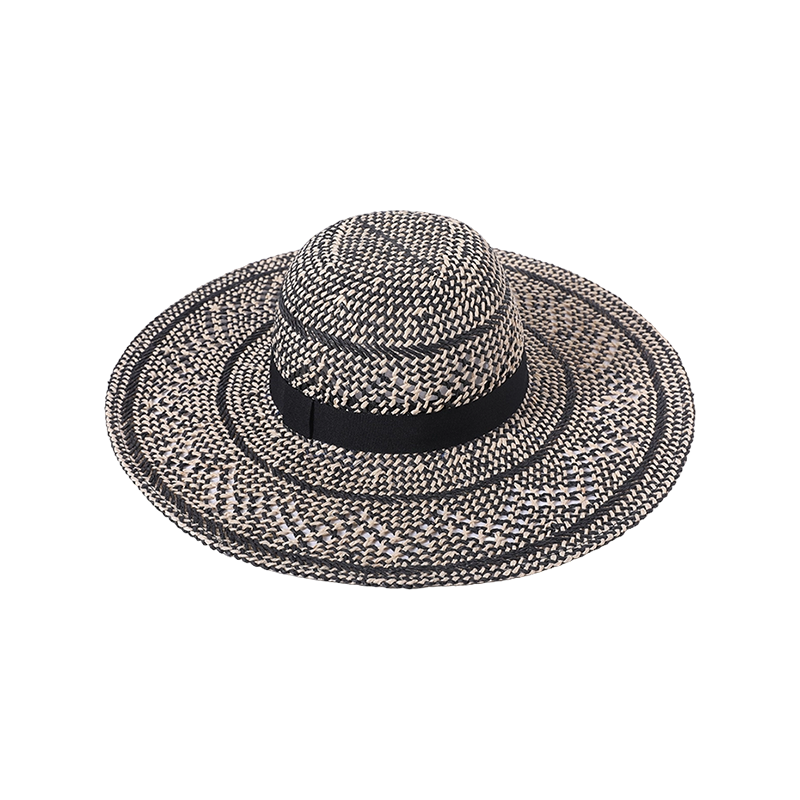
Handwoven raffia straw hats represent a convergence of traditional craftsmanship and natural materials that has persisted for centuries across multiple cultures. These hats, valued for their breathability, lightweight comfort, and distinctive textures, remain popular in warm climates and summer fashion worldwide. While raffia is the traditional and recognized material, the contemporary market offers handwoven hats constructed from various natural and synthetic fibers, each with distinct characteristics, origins, and care requirements.
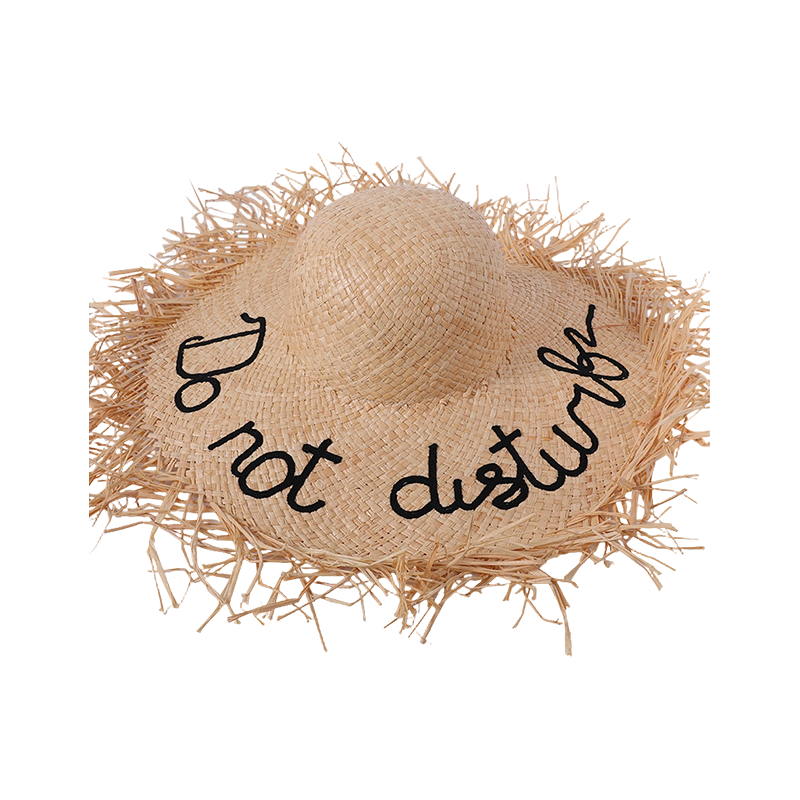
Natural Raffia: The Traditional Material
Raffia fibers, derived from the raffia palm, remain the authentic and sought-after material for handwoven hats. This natural fiber has unique properties that have made it a preferred choice for generations.
Source and Harvesting:
Raffia fibers are obtained from the leaves of the Raffia palm (genus Raphia), which grows in tropical regions of Africa, particularly Madagascar, as well as in Central and South America.
The leaves of the raffia palm can reach lengths of up to 20 meters, making them among the longest leaves in the plant kingdom.
Harvesters strip the thin outer layer from the underside of young leaves, producing long, continuous strands of fiber. This process is typically done by hand and requires knowledge of which leaves provide the quality material.
Each leaf can yield multiple strands, and the fibers are then dried in the sun, which bleaches them to a pale cream or golden color. Natural variations in color occur depending on the specific palm species and growing conditions.
Physical Characteristics:
Raffia fibers are naturally strong and flexible, with a tensile strength that allows them to be woven tightly without breaking.
The fibers are hollow, which contributes to their lightweight nature and provides natural insulation properties. This hollow structure also allows the material to breathe, making raffia hats comfortable in warm weather.
Raffia has a natural luster that gives finished hats an attractive sheen without requiring chemical treatments.
The fibers are hydrophilic, meaning they absorb moisture from the air and from the wearer's head, contributing to comfort but also making the material susceptible to water damage if soaked.
Color and Dyeing:
Natural raffia ranges from pale cream to golden brown, depending on the species and processing methods.
For colored hats, raffia can be dyed using both natural and synthetic dyes. Traditional methods employ plant-based dyes derived from bark, roots, and leaves.
The fiber absorbs dye readily, producing rich, even colors. However, some color fading can occur with prolonged sun exposure.
Handwoven raffia hats often combine natural and dyed fibers to create patterns and designs.
Working Properties:
Raffia must be kept slightly damp during weaving to maintain flexibility. Artisans typically work with damp fibers, allowing them to dry in place to hold their shape.
The fibers can be split into thinner strands for fine work or used in their full width for coarser, more casual weaves.
Raffia does not stretch significantly, which helps woven hats maintain their shape over time.
Other Natural Fibers in Handwoven Hats
While raffia is the recognized material, various other natural fibers are used in handwoven hat production, each bringing different qualities to the finished product.
Straw (Wheat, Rye, and Other Grains):
Traditional straw hats are woven from the dried stalks of cereal grains, particularly wheat and rye.
The straw is harvested, dried, and often split into thin strips before weaving. The hollow stems create lightweight, breathable structures.
Straw fibers are generally stiffer than raffia, producing hats with more defined shapes and less drape.
Different regions have developed specific straw varieties and preparation methods, such as the fine Tuscan straw from Italy, which uses a particular wheat variety and meticulous processing.
Seagrass and Sisal:
Seagrass is harvested from marine plants and dried before weaving. It has a naturally smooth texture and uniform color ranging from pale green to golden brown.
Seagrass fibers are round in cross-section and slightly glossy, creating a distinctive appearance in woven hats.
Sisal comes from the leaves of the agave plant. The fibers are extracted, washed, dried, and brushed to produce long, strong strands.
Sisal is coarser and stiffer than raffia, producing hats with more structure and durability but less flexibility. It is often used for casual, everyday hats and beachwear.
Toquilla Straw (Panama Hats):
The famous Panama hat is woven from the fibers of the toquilla palm (Carludovica palmata), which grows in Ecuador and other parts of South America.
Despite the name, the toquilla palm is not a true palm but a cyclanth. Its young leaves are harvested, split into strips, boiled, and dried before weaving.
Toquilla straw is exceptionally fine and flexible, allowing for the tight, intricate weaves characteristic of high-quality Panama hats.
The material has natural breathability and can be rolled or folded without damage, particularly in finer weaves.
Bamboo and Rattan:
Bamboo fibers are sometimes used in handwoven hats, particularly in Asian traditions. Bamboo is harvested, split into thin strips, and often treated to increase flexibility.
Bamboo hats are durable and maintain their shape well but can be heavier than raffia or straw versions.
Rattan is a climbing palm whose stems are used for wickerwork and occasionally for hat making. It is stronger and more rigid than other natural hat materials.
Synthetic Materials in Handwoven-Style Hats
The market also includes hats that mimic the appearance of handwoven natural fibers while using synthetic materials. These offer different performance characteristics and price points.
Polyester and Nylon Fibers:
Synthetic raffia is typically manufactured from polyester or nylon filaments extruded to mimic the appearance and texture of natural raffia.
These materials are produced in continuous lengths, eliminating the joins and irregularities found in natural fibers.
Synthetic fibers can be manufactured in any color and often have higher colorfastness than natural dyed materials.
They do not absorb moisture like natural raffia, which means they dry quickly but may be less comfortable in hot, humid conditions.
Paper Fiber Blends:
Some handwoven hats use twisted paper or paper yarn as the primary material. These are manufactured by twisting thin strips of treated paper into cord-like strands.
Paper fibers are often combined with synthetic threads for added strength. The paper may be treated with resins or coatings to improve water resistance.
Paper hats can achieve the look of natural straw at a lower cost but are generally less durable and more susceptible to damage from moisture.

Contact Us
-
Add:
Linchuan Industrial Zone, Songmen Town, Wenling City, Taizhou City, Zhejiang Province, China -
Phone:
+86-13906563499 -
Wechat:
+86-13906563499 -
Email:
Lois@zjkjcrafts.com
Send Us
an Inquiry
Copyright © Zhejiang Kaijia Craft Co., Ltd. All Rights Reserved.

OEM Handmade Crafts Manufacturer