

 En
 Español
 中文简体

Submit feedback
Industry News
 Home / News / Industry News / Planning Bulk Hat Orders for Outdoor Events: What Should Buyers Specify
Planning Bulk Hat Orders for Outdoor Events: What Should Buyers Specify
 2026.11.06
 Industry News
Outdoor festivals, beach promotions, resort activities, corporate gatherings, and seasonal marketing campaigns often require coordinated headwear for staff, guests, or promotional distribution. A bulk hat order may involve hundreds or thousands of pieces, making product specifications and order planning important parts of the purchasing process. A straw outdoor hat can serve both practical and visual purposes, but the final result depends on how well the design, materials, branding, and packaging match the event requirements.
At Zhejiang Kaijia Craft Co., Ltd., we work with natural-material woven hats and related craft products for international markets. We understand that event buyers need more than an attractive sample. They also need clear specifications, consistent product presentation, and an order arrangement that supports the event schedule. The following points explain what businesses should prepare before placing a bulk hat order.

1. Define the Event Application Before Discussing Hat Styles
Different outdoor activities create different requirements for headwear. A beach promotion, a music festival, and a resort staff uniform program may all use straw hats, but their design priorities are not necessarily the same.
- Beach and resort activities: Lightweight construction, breathable woven materials, comfortable fitting, and practical brim coverage deserve attention.
- Outdoor festivals: Distinctive colors, recognizable silhouettes, and coordinated decorative details can help create a unified event appearance.
- Corporate events: Logo placement, brand colors, and consistent styling across staff or participants may be important.
- Promotional giveaways: Buyers may prioritize manageable unit costs, simple customization, and packaging that supports convenient distribution.
- Tourism and hospitality programs: Natural textures and versatile designs can complement beach clubs, hotels, cruise activities, and outdoor guest services.
At Kaijia, we recommend establishing the intended application before confirming a particular hat model. This gives us a clearer basis for discussing the appropriate shape, material, and decorative options.
2. Confirm the Hat Shape and Key Dimensions
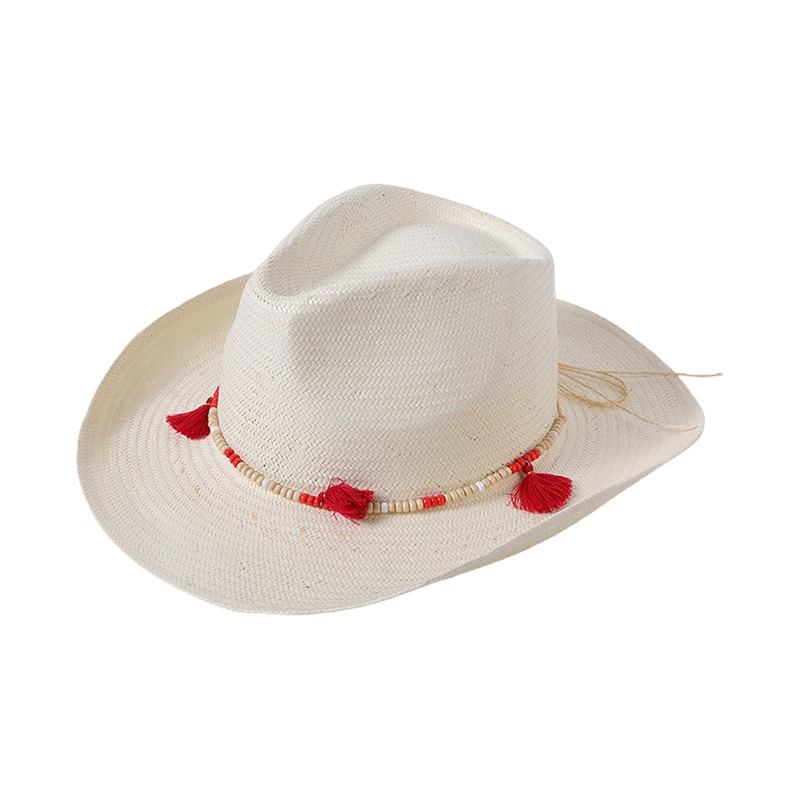
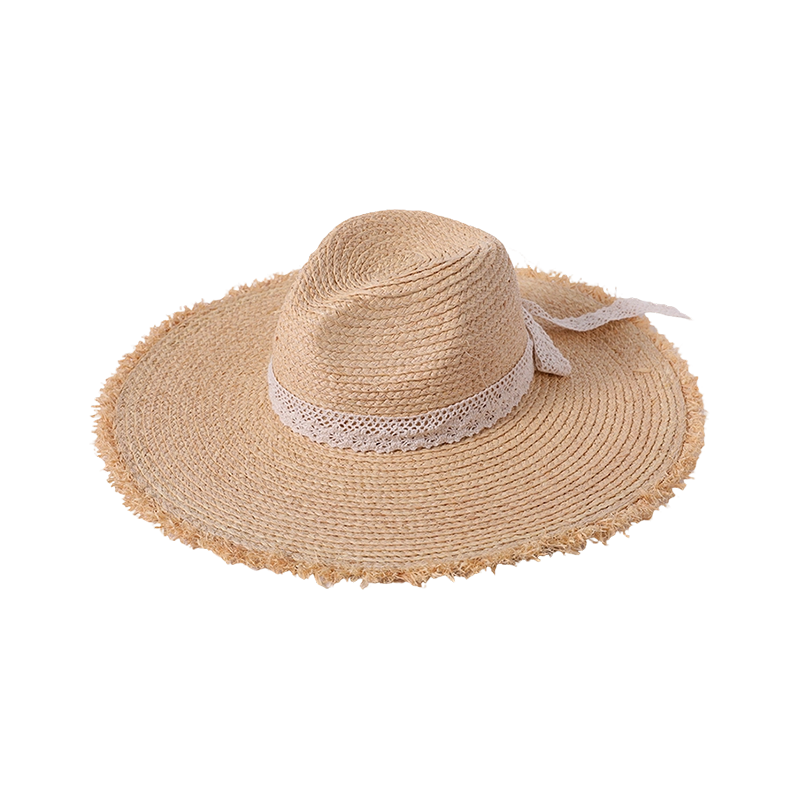
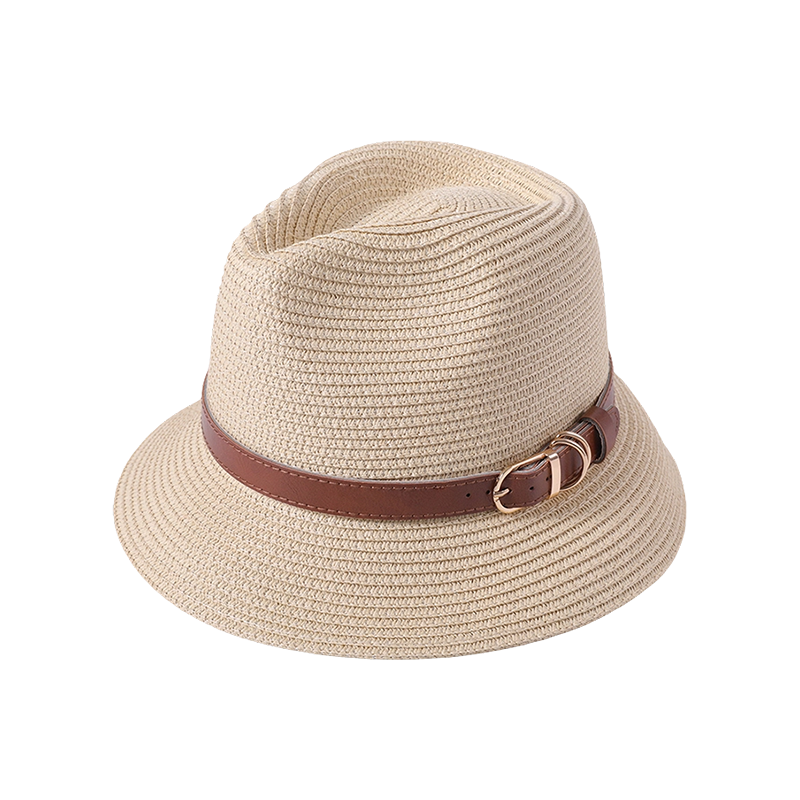
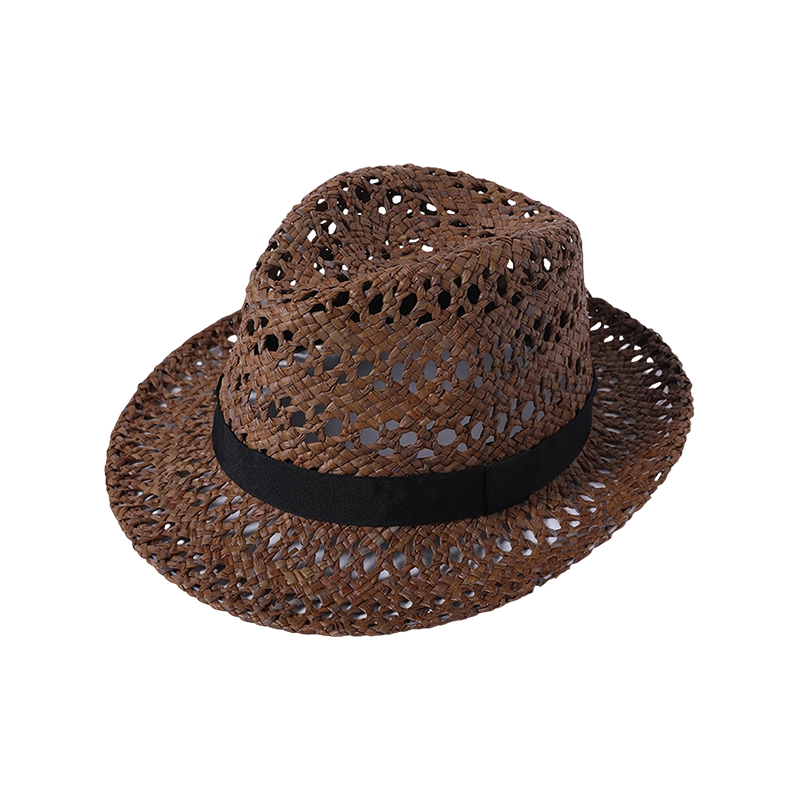
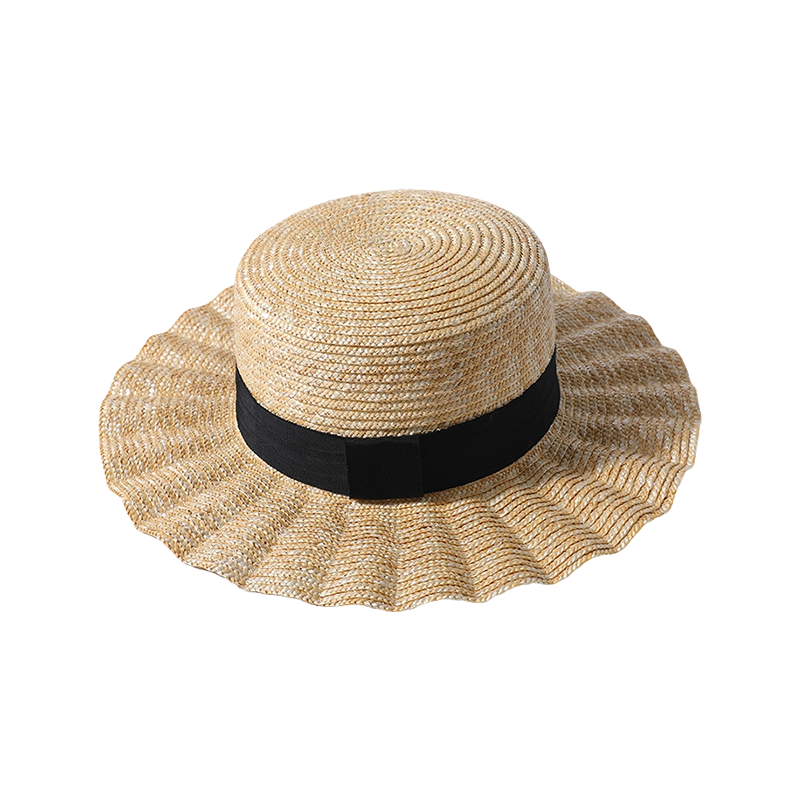
The silhouette influences both appearance and wearing comfort. Buyers should provide a reference image or identify a preferred style rather than relying only on a general product category. Bucket hats, wide-brim sun hats, and traditional woven hats have different proportions and visual characteristics.
Several dimensions should be included in the product brief:
- Head circumference: Specify the intended size range and measurement method. Adult and youth programs may require different sizing arrangements.
- Crown height: This affects the overall proportion and how the hat sits on the head.
- Brim width: A wider brim creates a different appearance and shaded area compared with a compact brim.
- Brim shape: Buyers can specify a downward slope, curved edge, or relatively flat profile.
- Hat weight: Weight information helps purchasing teams compare models and estimate transportation requirements.
For reference, our straw bucket hat range combines a bucket-shaped crown with a downward-sloping brim and a soft structure. The actual dimensions should be confirmed against the selected model and approved sample. Buyers can also discuss different brim widths according to their design requirements and intended audience.
3. Specify the Straw Material and Weaving Appearance
Material selection influences the texture, flexibility, weight, and overall appearance of a woven hat. Natural straw and paper-based weaving materials can produce different surface finishes, so buyers should confirm the material composition rather than relying on product photographs alone.
Several material-related details deserve attention during sourcing:
- Material composition: Confirm whether the selected design uses natural straw, paper yarn, or another approved weaving material.
- Weave density: Discuss the preferred weaving appearance and the degree of openness or compactness required by the design.
- Surface texture: Review the material's touch, color, and visible fiber characteristics.
- Flexibility: Consider how the material responds to normal handling, storage, and transportation.
- Color consistency: Establish an approved color reference and clarify acceptable natural variations.
Natural materials may show slight differences in fiber tone and texture. This characteristic should be discussed during sample approval, particularly for orders that require a coordinated appearance across multiple event locations.
4. Prepare Branding and Customization Requirements
Event hats frequently serve as part of a visual identity program. A logo, decorative band, woven label, or customized color combination can make the headwear more recognizable and connect it with a company, resort, or promotional campaign.
At Kaijia, customization discussions can cover several areas, subject to the selected hat construction and production feasibility:
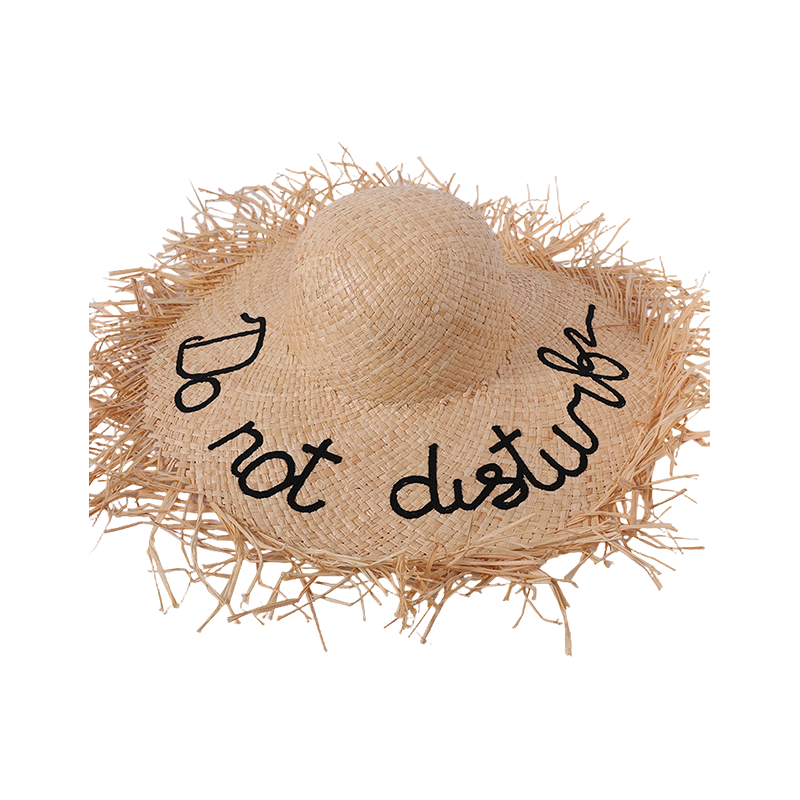
- Logo embroidery: Provide a clear artwork file, logo dimensions, preferred colors, and placement instructions.
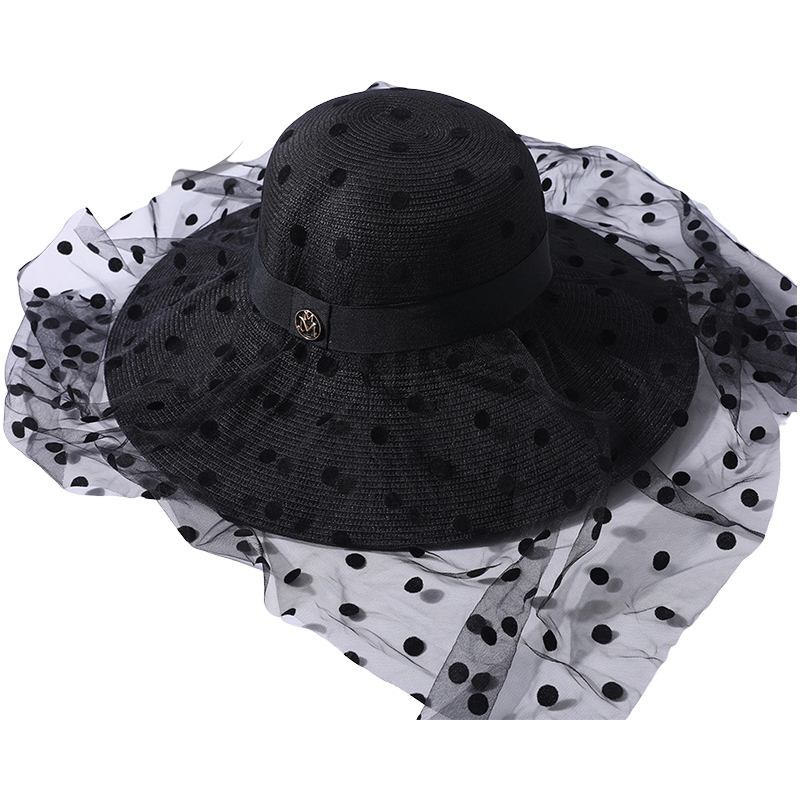
- Decorative hatbands: Confirm the band material, width, color, and attachment method.
- Woven labels: Discuss brand identification and label positioning.
- Inner details: Custom inner labels or lining options can be reviewed according to the selected model.
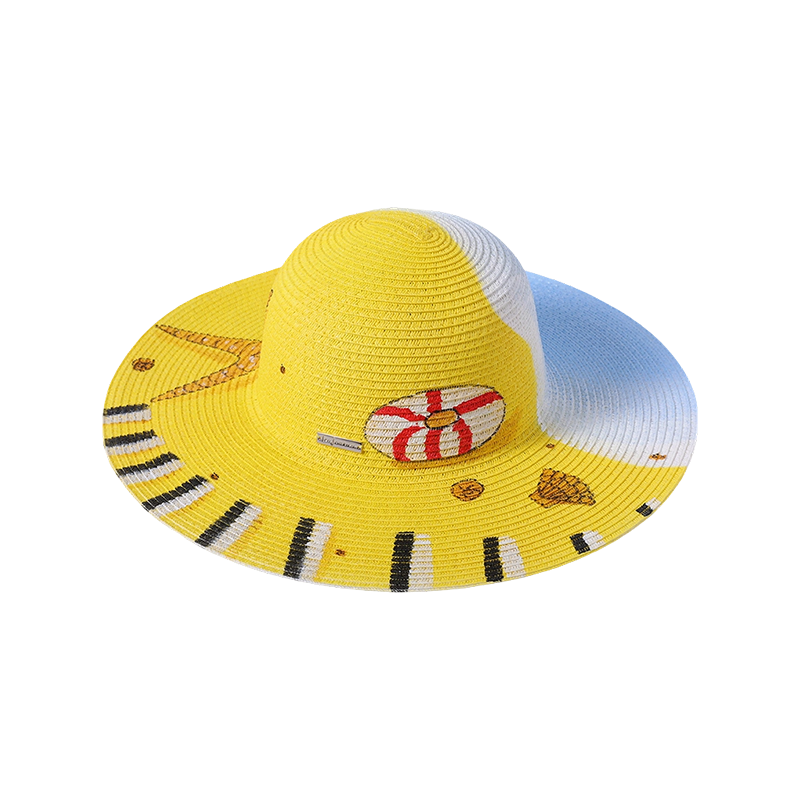
- Color coordination: Provide Pantone references or physical color samples where accurate brand-color matching is required.
Artwork approval should take place before customized production begins. Buyers should review logo proportions, color contrast, positioning, and attachment quality on a physical sample or an agreed production reference. Small adjustments at this stage can help avoid inconsistencies across the finished event order.
5. Establish Clear Quality Inspection Criteria
A sample provides an initial reference, but bulk production needs measurable inspection requirements. Without agreed criteria, different teams may interpret acceptable appearance or workmanship differently.
We suggest organizing quality checks around the following details:
- Dimensions: Check head circumference, crown height, brim width, and other agreed measurements.
- Weaving workmanship: Review loose fibers, uneven weaving, visible damage, and edge finishing.
- Shape consistency: Compare crown proportions and brim profiles with the approved sample.
- Color appearance: Check whether the production batch follows the confirmed color reference, allowing for agreed material variations.
- Branding details: Inspect logo position, embroidery quality, label attachment, and decorative components.
- Product condition: Look for stains, deformation, damaged edges, or other visible defects.
For customized orders, we recommend recording the approved sample, measurement sheet, artwork version, and inspection requirements together. These records provide a shared reference for production review and future repeat orders.
6. Plan Packaging Around the Distribution Method
Packaging requirements are closely connected with how hats will be distributed after delivery. A retailer preparing individual customer orders may need a different packing arrangement from an event organizer receiving cartons for on-site distribution.
Buyers should clarify the following details:
- Individual packaging: Decide whether each hat requires a separate protective bag, paper sleeve, or other packing material.
- Bulk carton packing: Confirm the number of hats per carton and the arrangement used to reduce pressure on the brim.
- Product identification: Specify SKU labels, barcodes, size information, or event-related markings.
- Carton information: Confirm carton dimensions, gross weight, net weight, and shipping marks.
- Multi-location distribution: Clarify whether products need to be separated by destination, department, event date, or recipient group.
Straw hats can be sensitive to compression and unsuitable storage conditions. A folding or nesting method should only be used after confirming that the selected construction can maintain its intended shape. For structured designs, suitable internal support and protective separation may be necessary.
7. Coordinate Order Quantity and Delivery Arrangements
Event purchasing schedules are often connected with fixed opening dates, promotional campaigns, and venue preparation. A delay in product confirmation or shipping coordination may affect the entire distribution plan. Buyers should therefore communicate their requirements at the beginning of the sourcing discussion.
Useful order information includes:
- Estimated total order volume and quantity allocation by style or color.
- Sample approval and artwork confirmation dates.
- Required delivery date and destination address.
- Preferred shipping method and receiving arrangements.
- Special carton labels or documentation requirements.
- Potential replenishment requirements for recurring events.
At Kaijia, we review order details according to the selected materials, customization requirements, packaging method, and current production arrangements. Providing complete information allows us to evaluate the project and discuss a suitable production and shipping schedule. Buyers should also reserve sufficient time for sample review, internal approval, and transportation.
8. Prepare a Practical Bulk Hat Purchasing Checklist
Before requesting a quotation, purchasing teams can use a simple checklist to organize the information required for supplier communication.
| Specification Area | Information to Prepare |
| Application | Festival, resort, beach promotion, corporate event, or giveaway |
| Hat Style | Bucket hat, wide-brim hat, or another reference design |
| Material | Straw type, paper yarn, weaving appearance, and color |
| Dimensions | Head circumference, crown height, and brim width |
| Customization | Logo artwork, embroidery, hatband, labels, and lining |
| Quality | Approved sample, measurement tolerances, and inspection criteria |
| Packaging | Individual packing, carton arrangement, and product labels |
| Delivery | Order volume, destination, required arrival date, and shipping method |
Not every project requires a complicated technical document. A reference photograph, estimated order volume, preferred material, and event date can provide a useful starting point. Additional specifications can then be confirmed through sample development and supplier communication.
Make Your Outdoor Event Hat Order Easier to Manage with Kaijia
Successful bulk purchasing depends on how well product details are translated into practical production requirements. Hat shape, material, sizing, logo execution, inspection standards, and packaging should all be considered as parts of the same order rather than separate decisions.
At Zhejiang Kaijia Craft Co., Ltd., we provide woven hat and craft product solutions for international business customers. Our product range includes straw bucket hats and other natural-material accessories, with customization discussions available according to individual model requirements. Whether your project involves a resort promotion, outdoor festival, corporate gathering, or seasonal retail program, we can review your reference design and purchasing specifications.
Share your preferred hat style, estimated order volume, customization details, and delivery destination with our team. We can then discuss suitable materials, sample arrangements, packaging options, and the production requirements for your upcoming outdoor event.

Contact Us
-
Add:
Linchuan Industrial Zone, Songmen Town, Wenling City, Taizhou City, Zhejiang Province, China -
Phone:
+86-13906563499 -
Wechat:
+86-13906563499 -
Email:
Lois@zjkjcrafts.com
Send Us
an Inquiry
Copyright © Zhejiang Kaijia Craft Co., Ltd. All Rights Reserved.

OEM Handmade Crafts Manufacturer