

 En
 Español
 中文简体

Submit feedback
Industry News

Open-Crown Sun Hats: Who Benefits From This Unusual Design
 2026.10.30
 Industry News
Summer headwear does not always need a fully enclosed crown to provide a distinctive look. Open-crown sun hats feature a brim and supporting structure while leaving the top of the head uncovered. This design offers an alternative to conventional hats, particularly for people who prefer wearing their hair in a high bun, ponytail, or other raised hairstyle.
A sun hat without top combines an unusual silhouette with practical styling possibilities. Depending on its construction, material, and brim dimensions, it can suit gardening, beach outings, outdoor walks, and casual summer clothing. Understanding who benefits from this design helps consumers and wholesale buyers evaluate its place in a seasonal hat collection.

1. People Who Prefer High Buns and Ponytails
Hairstyle compatibility is a key reason to consider an open-crown hat. Traditional hats cover the top of the head, which can flatten a high bun or press a ponytail against the scalp. An open crown allows these hairstyles to extend through the opening rather than being compressed beneath the hat.
- High-bun wearers: Can position the hairstyle through the crown opening without forcing it beneath a closed hat.
- Ponytail enthusiasts: Can keep their hair gathered while wearing a brim designed to shade the face.
- People with thick or long hair: May appreciate the extra space around an updo, depending on the opening dimensions.
- Style-conscious shoppers: Can maintain their preferred hairstyle while adding a woven accessory to a summer outfit.
Opening size and placement are important product details. Buyers should check whether the design accommodates different bun heights and hair volumes rather than assuming every open-crown model fits every hairstyle.
2. Outdoor Users Who Prefer an Uncovered Crown
Leaving the top of the head uncovered changes the way a hat feels during warm-weather activities. Some wearers prefer this construction because it allows more direct airflow around the scalp than a fully enclosed crown. The actual comfort level depends on the brim structure, surrounding materials, fit, humidity, and activity level.
Activities That May Suit the Design
- Gardening: A brim can shade the face while the open crown accommodates a raised hairstyle during outdoor tasks.
- Beach visits: Woven materials and a relaxed silhouette can complement swimwear and lightweight cover-ups.
- Outdoor walks: The design offers an alternative to conventional caps for people who prefer an open crown.
- Travel and sightseeing: A straw-style brim can coordinate with dresses, linen shirts, shorts, and casual footwear.
Open-crown construction does not automatically guarantee better cooling or complete sun protection. The exposed scalp remains vulnerable to direct sunlight, so wearers should consider sunscreen, shade, and other suitable protective measures. Brim coverage and any stated ultraviolet protection rating should be checked against the specific product.
3. Fashion Buyers Looking for a Different Hat Silhouette
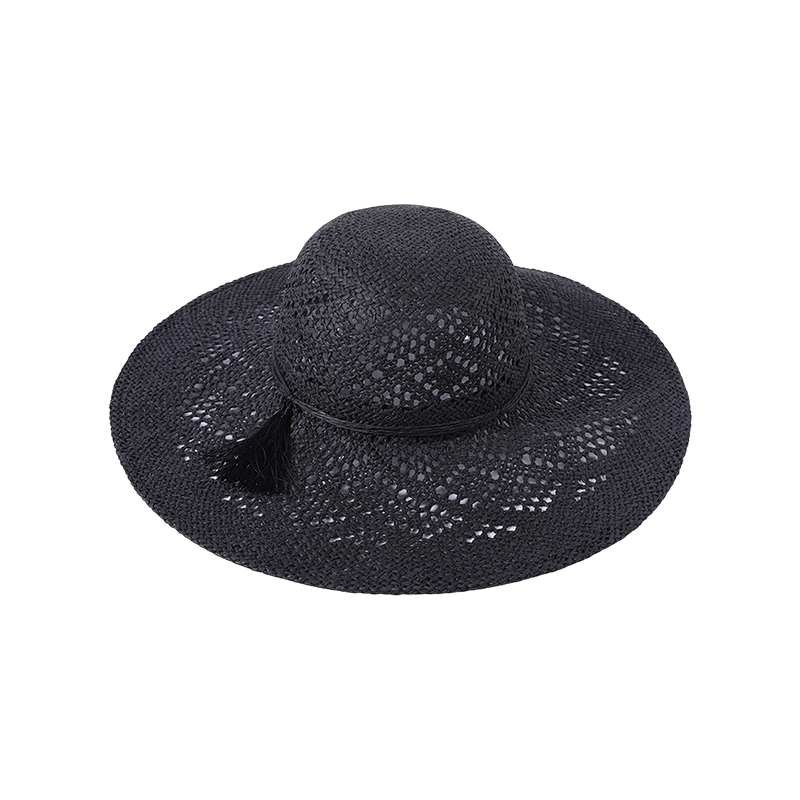
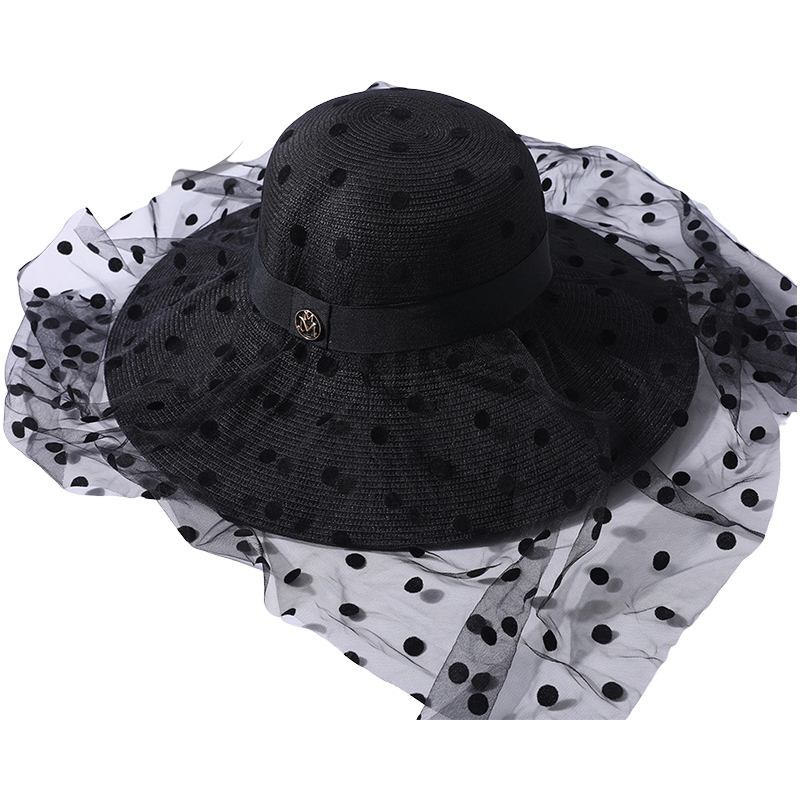
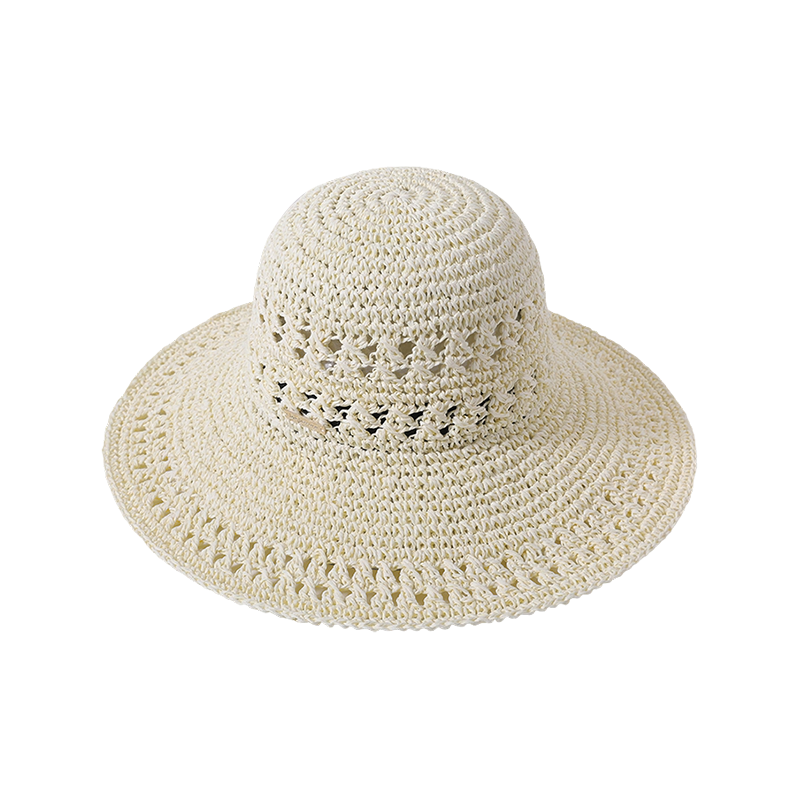
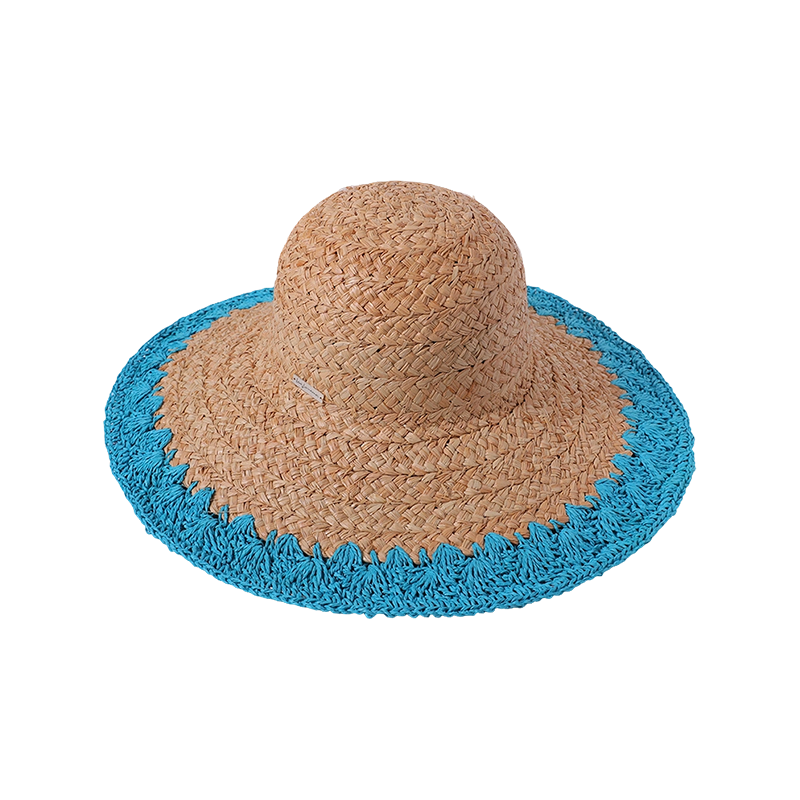
The unusual structure also appeals to retailers seeking variety beyond bucket hats, conventional straw hats, and closed-crown sun hats. Its open center creates a distinctive profile while leaving room for different brim shapes, woven textures, and decorative finishes.
| Design detail | Visual effect | Buyer consideration |
| Wide brim | Prominent summer silhouette | Check width, shape retention, and coverage. |
| Knitted straw texture | Visible surface detail | Inspect weave consistency and finishing. |
| Neutral colors | Easy coordination with casual clothing | Confirm available color options. |
| Decorative band | Adds contrast around the hat structure | Review attachment quality and customization options. |
| Adjustable fastening | May help improve fit stability | Verify whether the model includes an adjustment feature. |
For fashion retailers, this design can complement collections built around natural textures, relaxed silhouettes, and warm-weather accessories. A coordinated selection of colors and trim options may also support different retail preferences without requiring an entirely new basic shape.
4. Buyers Who Need to Check Fit and Construction Carefully
An open crown introduces specific fit considerations that differ from those of a conventional hat. The brim must sit securely, while the central opening needs to accommodate the intended hairstyle without compromising comfort.
- Head circumference: Confirm the stated size and compare it with the intended customer group.
- Opening dimensions: Check the width, shape, and placement against typical hairstyles.
- Brim construction: Inspect symmetry, edge finishing, and the ability to retain the intended shape.
- Material composition: Confirm the actual fiber or straw material, texture, and care requirements.
- Fastening details: Verify the presence of chin cords, adjustable bands, or other features rather than assuming they are standard.
Wholesale buyers should request product measurements, material information, sample photographs, packaging details, and available customization services. Exact specifications vary by model, so unconfirmed dimensions or performance claims should not be used in product listings.
5. Who May Prefer a Conventional Sun Hat?
Although the open-crown design offers clear styling benefits, it does not suit every user or outdoor situation.
- People who want full scalp coverage: A closed-crown hat may be more suitable because an open crown leaves part of the head exposed.
- Users needing a specified sun-protection rating: Should choose a product with relevant verified protection information and suitable coverage.
- People who prefer a traditional appearance: May find a classic straw hat or bucket hat easier to coordinate with their usual clothing.
Open-crown sun hats are particularly relevant to people who wear high buns or ponytails, prefer an uncovered crown, or want an alternative to conventional summer headwear. Their appeal comes from the combination of hairstyle compatibility, distinctive design, and the potential for a shaded face when the brim is appropriately shaped.
Consumers should consider hairstyle, fit, activity, and scalp coverage before choosing a model. Retailers and distributors can evaluate material consistency, opening dimensions, brim construction, and customization options when comparing products for their seasonal collections. A clear understanding of these details makes it easier to determine whether this unusual hat design fits the needs of a particular customer group.

Contact Us
-
Add:
Linchuan Industrial Zone, Songmen Town, Wenling City, Taizhou City, Zhejiang Province, China -
Phone:
+86-13906563499 -
Wechat:
+86-13906563499 -
Email:
Lois@zjkjcrafts.com
Send Us
an Inquiry
Copyright © Zhejiang Kaijia Craft Co., Ltd. All Rights Reserved.

OEM Handmade Crafts Manufacturer