

 En
En  Español
 中文简体
中文简体
Submit feedback
Industry News

Matching Hats and Bags: Does Color Coordination Make a Difference
 2026.10.16
 Industry News
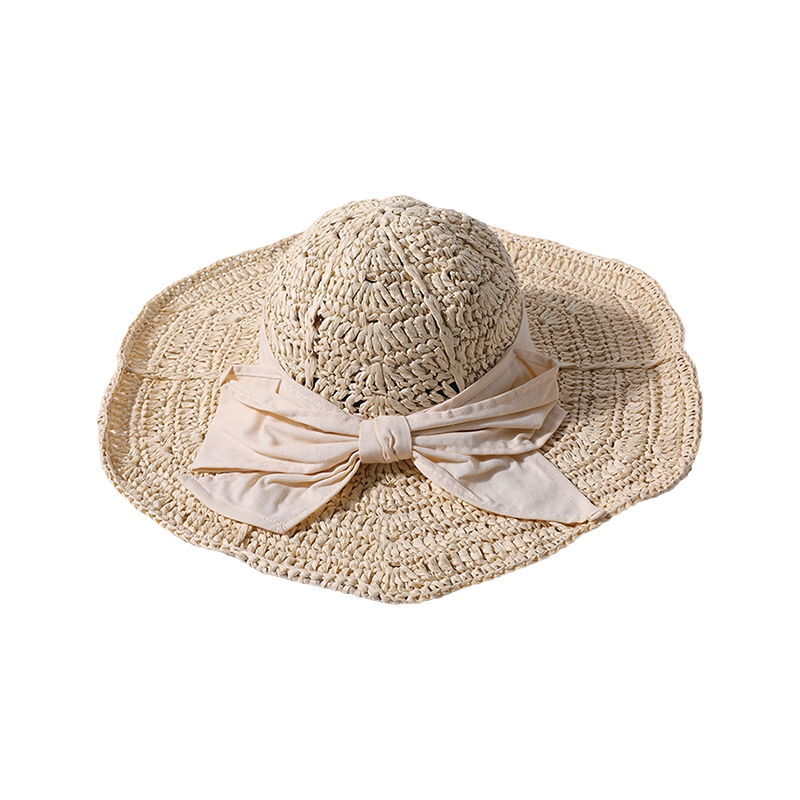
A summer outfit often feels more complete with the right accessories. A woven hat adds texture around the face, while a coordinated bag brings balance to the overall appearance. Although matching these items by color can create a unified look, identical shades are not always necessary. Differences in tone, material, and shape can make an outfit feel more natural and visually interesting.
Hats and bags are popular accessories for beach holidays, shopping trips, outdoor lunches, and everyday summer wear. Straw and woven designs are particularly versatile because their natural colors work with a broad range of clothing. Understanding how to coordinate these accessories helps consumers build outfits with less guesswork and gives retailers useful ideas for presenting complementary products.
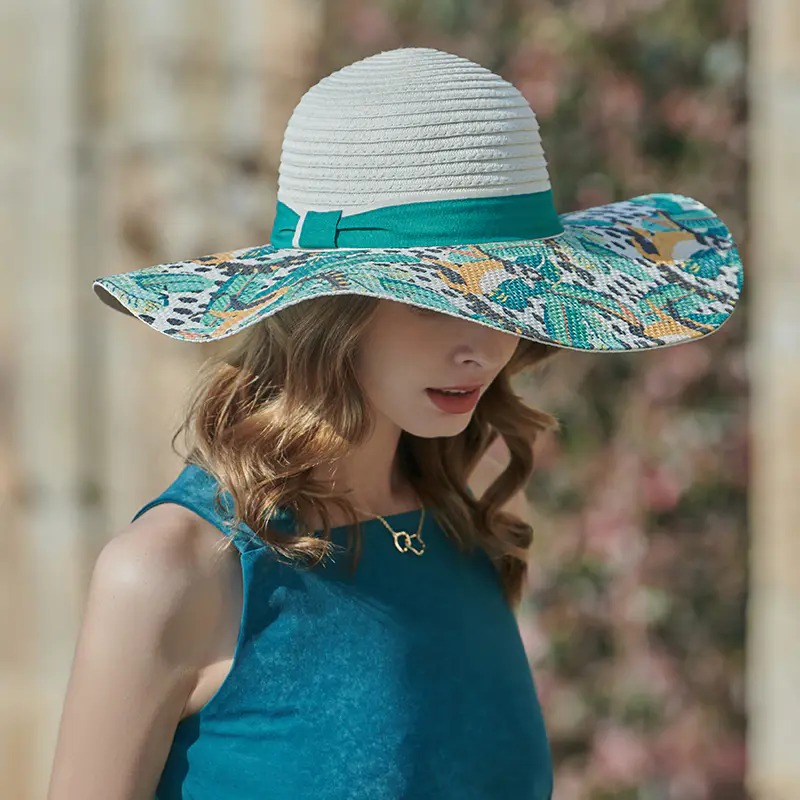
1. Why Does Color Coordination Matter?
Color creates a visual connection between accessories. A hat and bag do not need to share precisely the same shade, but a relationship between their colors can make an outfit appear more considered.
- Creates visual balance: Related colors help connect accessories without making them appear disconnected from the clothing.
- Supports different styles: Neutral combinations suit understated outfits, while contrasting shades introduce personality.
- Highlights product details: Coordinated colors allow woven textures, decorative bands, and bag handles to stand out without competing excessively.
- Encourages versatile styling: Neutral accessories can be paired with several outfits rather than reserved for a single combination.
Fashion styling does not require strict color matching. A natural straw hat can work with a cream handbag even when their shades differ slightly. The shared warm undertones create continuity, while the difference in color adds depth.
2. Which Colors Work Well Together?
Natural woven accessories commonly feature beige, tan, honey, cream, and brown tones. These shades function as neutral elements and can complement both muted clothing and brighter summer colors.
| Hat color | Suggested bag color | Outfit idea |
| Natural straw | Beige or cream | White shirt and linen shorts |
| Honey tan | Caramel or brown | Denim jeans and a cotton blouse |
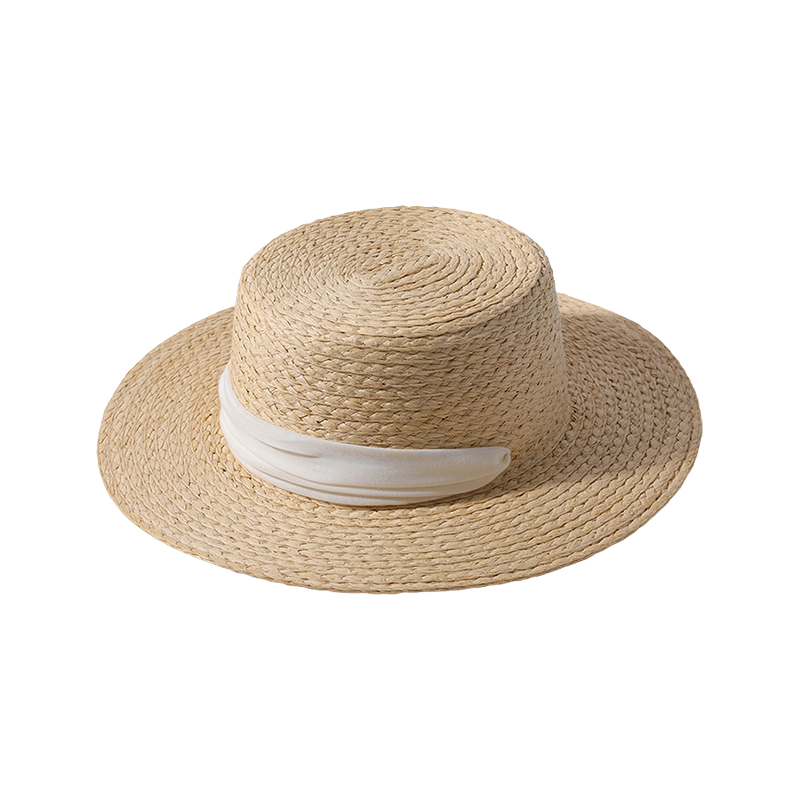
| White or ivory | Natural straw | Pastel dress and neutral sandals |
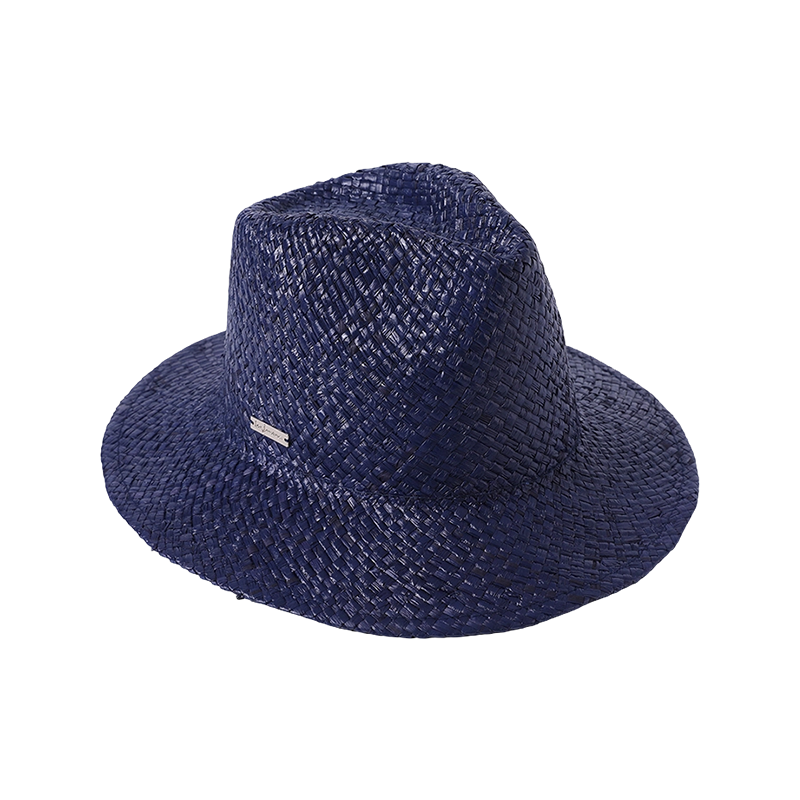
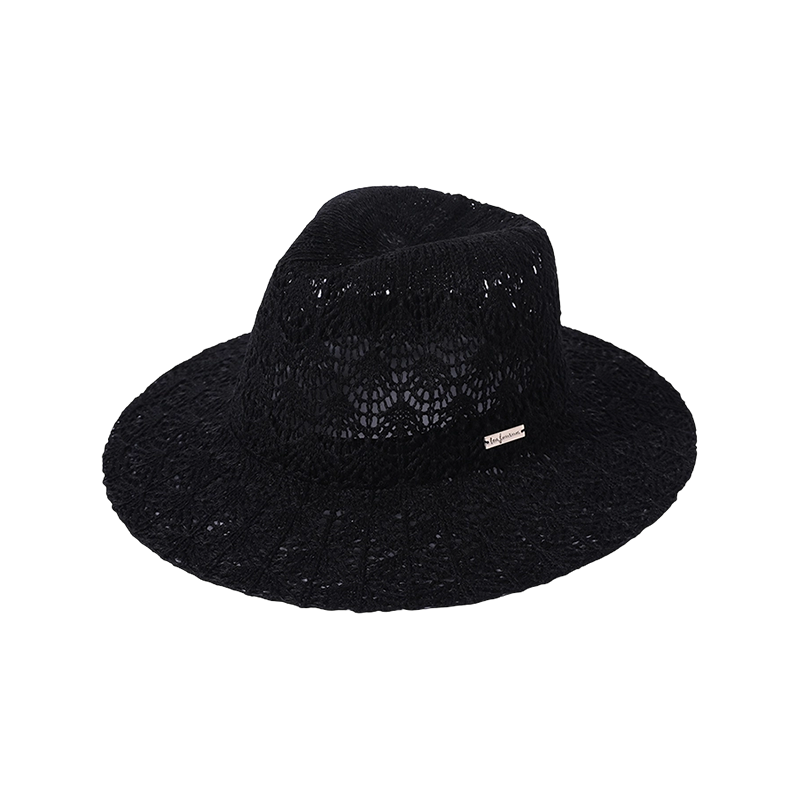
| Black | Black or natural beige | Black summer dress and simple jewelry |
| Colored hatband | Bag with a related accent | Plain clothing with coordinated accessories |
Warm straw tones generally pair naturally with earthy shades such as olive, terracotta, and rust. Cooler clothing colors, including blue and gray, can also work well because the contrast adds definition. The goal is to create a relationship between the pieces rather than reproduce exactly the same color across every accessory.
3. Texture Can Matter as Much as Color
Two accessories may share a color but still look mismatched if their textures and visual weight differ significantly. Straw and woven fabrics introduce surface detail, so their relationship with other materials deserves attention.
Texture Combinations to Consider
- Woven hat and straw tote: Creates a coordinated summer appearance through related materials and textures.
- Straw hat and smooth leather-look bag: Balances a relaxed woven surface with a cleaner finish.
- Knitted hat and crochet bag: Creates a handcrafted aesthetic through visible textile patterns.
- Structured hat and compact shoulder bag: Gives a casual outfit a more defined outline.
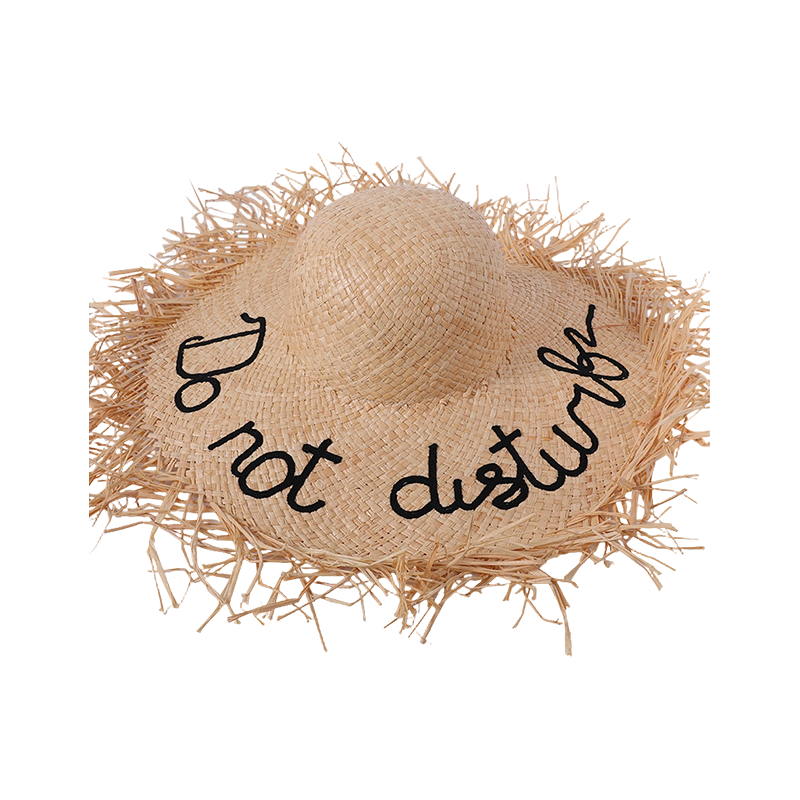
Proportion also influences the final appearance. A large beach tote can complement a broad-brimmed sun hat, while a smaller crossbody bag may suit a compact bucket hat. These are flexible styling suggestions rather than fixed rules; the clothing silhouette and intended occasion should guide the final combination.
4. Should Hats and Bags Match Exactly?
Exact color matching can create a coordinated appearance, particularly with sets designed for travel, beachwear, or seasonal gifting. However, matching every detail may make an outfit feel overly uniform. Using complementary shades often provides greater flexibility.
Consider three practical approaches:
- Tonal coordination: Combine beige, tan, and caramel accessories for a subtle variation within one color family.
- Neutral contrast: Pair a natural straw hat with a black, navy, or cream bag to introduce a clear visual difference.
- Accent coordination: Match a hatband to a small detail on the bag, such as its trim, stitching, or handle attachment.
These methods work well for shoppers who want accessories that can be reused across several outfits. A neutral hat and a versatile woven bag can serve as a base for different combinations of dresses, shirts, skirts, and casual trousers.
5. What Should Retailers Consider When Developing Matching Sets?
Color coordination also presents an opportunity for wholesalers, distributors, and private-label brands. Offering hats and bags in complementary colors can help retailers create seasonal displays and coordinated accessory collections.
| Product consideration | Details to confirm |
| Color consistency | Approved color references and acceptable shade variations |
| Material selection | Actual fiber composition, weave pattern, and surface finish |
| Product dimensions | Hat circumference, brim width, and bag measurements |
| Customization | Available colors, decorative trims, labels, and logo options |
| Packaging | Individual packaging or coordinated gift-set presentation |
| Order planning | MOQ, sample approval, production lead time, and shipping arrangements |
Buyers should request samples to compare colors and textures under consistent lighting. Different materials can reflect light differently, so two products described as beige may not look identical in person. Approved samples and clear color references help reduce uncertainty during bulk production.
OEM and private-label requirements should be discussed before production begins. The supplier can then confirm whether matching trim, customized packaging, or coordinated product colors are available for the requested order.
Color coordination can make hats and bags work together more naturally, but exact matching is only one approach. Related tones, contrasting neutrals, complementary textures, and balanced proportions all contribute to a cohesive summer outfit.
Consumers can start with versatile natural colors and introduce stronger accents through clothing or small accessories. Retailers and wholesale buyers can apply similar principles when developing coordinated collections, checking sample consistency, and planning seasonal product displays. A thoughtful combination of color, material, and shape gives both accessories room to stand out while maintaining a unified appearance.

Contact Us
-
Add:
Linchuan Industrial Zone, Songmen Town, Wenling City, Taizhou City, Zhejiang Province, China -
Phone:
+86-13906563499 -
Wechat:
+86-13906563499 -
Email:
Lois@zjkjcrafts.com
Send Us
an Inquiry
Copyright © Zhejiang Kaijia Craft Co., Ltd. All Rights Reserved.

OEM Handmade Crafts Manufacturer