

 En
En  Español
 中文简体
中文简体
Submit feedback
Industry News

Which Straw Hat Details Make Casual Summer Outfits Stand Out
 2026.10.09
 Industry News
Small accessories can change the character of an outfit without requiring a complete wardrobe update. A woven hat, for example, adds texture to a plain cotton shirt, creates a relaxed finish for a summer dress, and brings visual balance to casual travel clothing. The key is understanding how its shape, weave, color, trim, and fit work with the rest of the outfit.
A ladies straw bucket hat offers a distinctive combination of a rounded crown and a downward-sloping brim. This silhouette feels informal enough for daily wear while adding more texture than a standard fabric cap. Small design choices can make the difference between an accessory that blends into an outfit and one that gives the entire look more personality.
From coordinating natural colors to comparing brim proportions, the following guide examines the product details that help straw bucket hats complement casual summer clothing. These considerations are also useful for retailers, wholesalers, and private-label buyers planning seasonal hat collections.
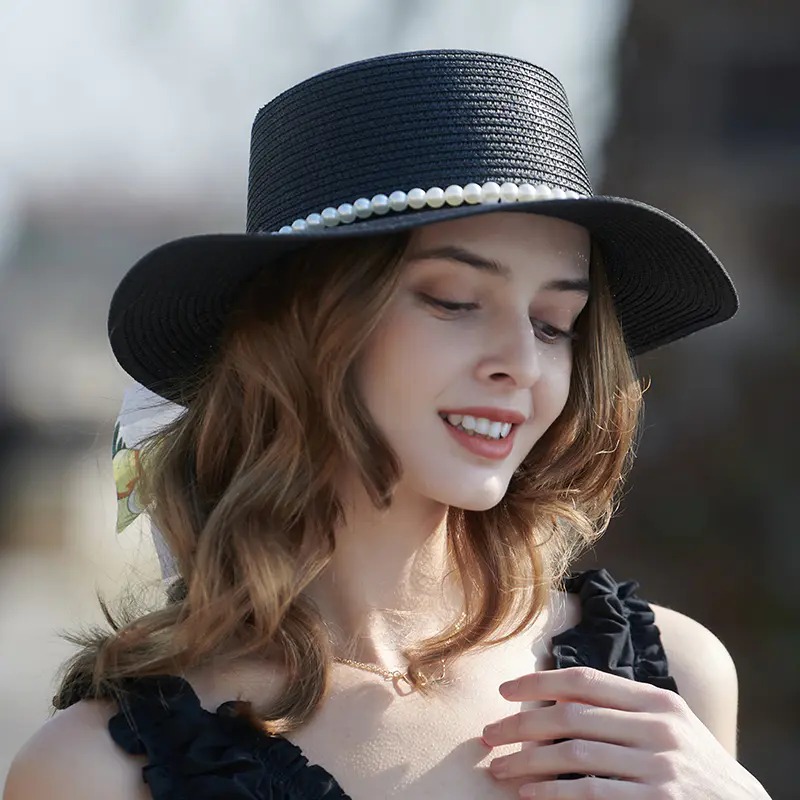
1. Brim Shape Defines the Overall Silhouette
The brim is among the most noticeable parts of a straw hat. Its width, slope, flexibility, and edge finish influence how the hat frames the face and interacts with different clothing styles.
- Narrow brims: Create a compact appearance that works well with T-shirts, denim shorts, casual skirts, and lightweight sneakers.
- Medium-width brims: Offer a balanced outline for sundresses, linen shirts, and relaxed trousers.
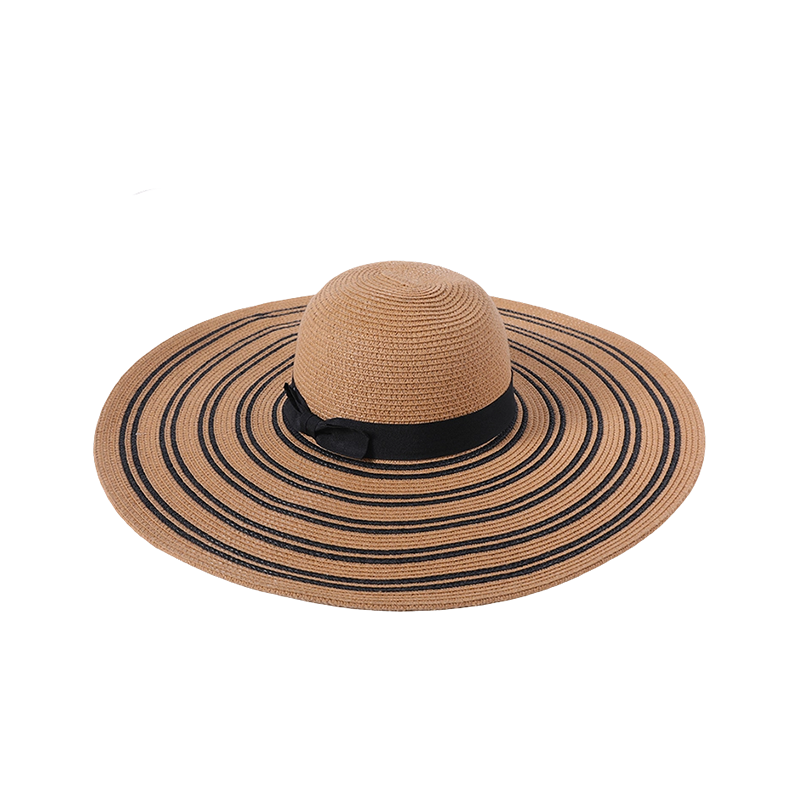
- Soft, downward-sloping brims: Reinforce the traditional bucket-hat silhouette and create a relaxed visual effect.
- Defined brim edges: Give the hat a more structured appearance, particularly when paired with tailored shorts or coordinated summer sets.
Proportion matters more than following a rigid styling rule. A voluminous dress may work well with a defined brim, while a simple top and straight-leg jeans can accommodate a softer outline. The relationship between the hat, shoulder width, neckline, and clothing volume determines whether the overall look feels balanced.
Brim Details to Compare
| Product detail | Visual effect | Suitable outfit direction |
| Narrow brim | Compact and casual | Jeans, T-shirts, sneakers |
| Medium brim | Balanced and versatile | Linen sets, midi dresses |
| Soft brim edge | Relaxed and informal | Beachwear, loose shirts |
| Defined edge | Neat and structured | Smart-casual summer outfits |
The dimensions above describe general design categories rather than fixed product specifications. Actual brim measurements should be confirmed against the selected model.
2. Weave Texture Adds Depth to Simple Clothing
Straw hats are visually interesting because their woven surfaces introduce texture without requiring bold prints or bright colors. This detail becomes particularly noticeable alongside smooth cotton, lightweight linen, denim, and other everyday fabrics.
Different weave patterns can create different impressions:
- Tight, consistent weaving: Produces a relatively uniform surface that suits understated outfits and clean silhouettes.
- Open weaving: Creates a lighter visual pattern and a more relaxed appearance. Actual ventilation depends on the material and construction.
- Visible woven patterns: Add detail to plain clothing without introducing another printed element.
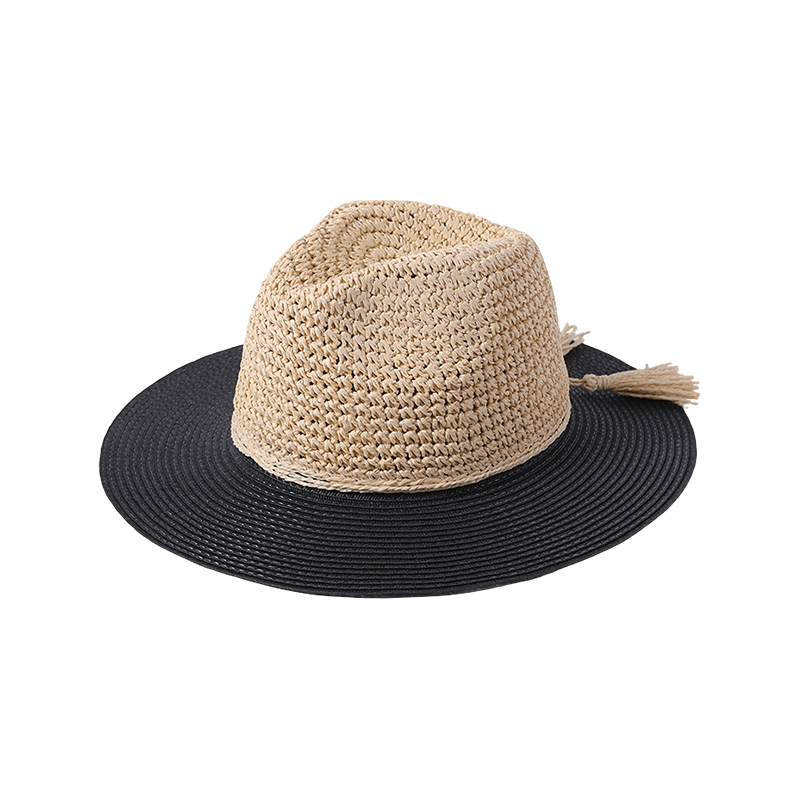
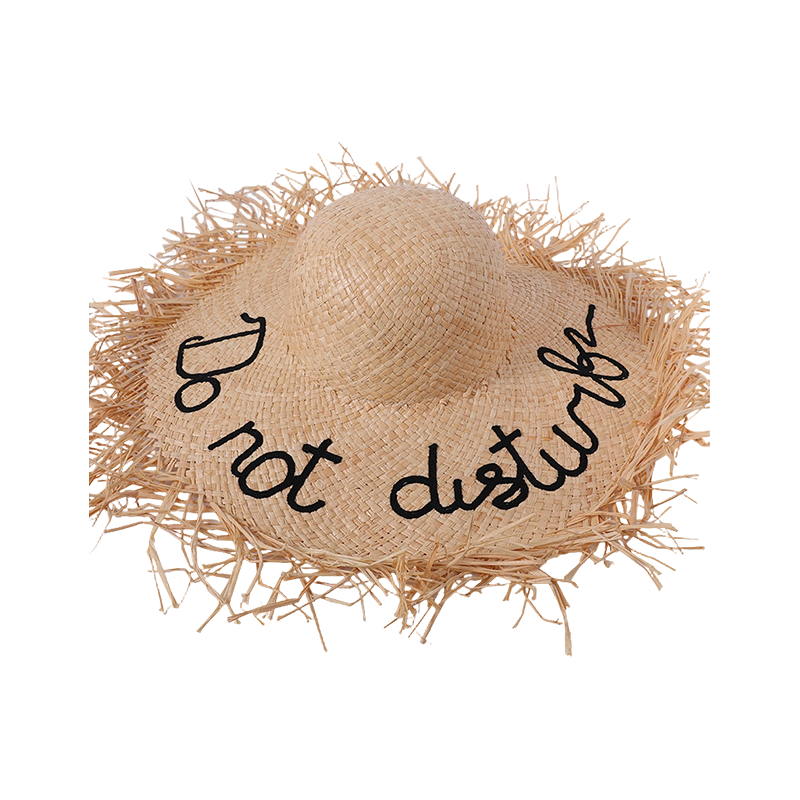
- Textured or irregular-looking surfaces: Can contribute to a handcrafted aesthetic, provided the construction remains consistent with the intended product design.
Consider a white cotton T-shirt, beige shorts, and neutral sandals. The outfit uses a restrained color palette, so a woven hat adds visual interest through texture rather than contrast. A similar approach works with a plain linen dress or a simple sleeveless top.
Product buyers should also distinguish decorative texture from construction quality. Weave consistency, loose fibers, crown stability, and brim uniformity are useful inspection points during sample evaluation. These details affect the hat's appearance and perceived quality beyond its color or styling.
3. Color Coordination Makes the Outfit Feel Cohesive
Natural straw shades typically sit within a palette of beige, tan, honey, and light brown. These colors coordinate readily with common summer clothing colors, although the exact effect depends on the straw tone, trim, and surrounding fabrics.
Practical Color Combinations
- Natural straw and white: Creates a light, clean appearance suited to cotton shirts, white trousers, and summer dresses.
- Tan straw and denim blue: Combines warm natural tones with the familiar texture of denim.
- Beige straw and pastel colors: Works with pale pink, powder blue, sage green, and other soft shades.
- Darker straw and earthy colors: Coordinates with olive, rust, brown, and muted terracotta clothing.
- Contrasting trim and neutral clothing: Adds a small color accent without making the outfit visually crowded.
Exact color matching is not necessary. A hat that is slightly warmer or darker than a woven bag can create a more natural combination than two accessories that attempt to match precisely. Repeating one color elsewhere in the outfit, such as through sandals or a belt, can help connect the different pieces.
For retailers developing seasonal collections, a consistent base color with several trim options can also provide variety without changing the core hat silhouette. Color availability, dyeing methods, and customization options should be verified with the product supplier before being offered to customers.
4. Crown Height and Fit Affect Both Style and Comfort
The crown determines how the hat sits on the head and how much visual volume it adds around the upper face. Its height and shape should work with the brim rather than appear disconnected from it.
- Lower crowns: Create a compact profile that may suit minimal, casual styling.
- Higher crowns: Provide more vertical volume and may accommodate certain hairstyles more comfortably, depending on the internal shape.
- Rounded crowns: Reinforce the familiar bucket-hat outline and pair naturally with relaxed clothing.
- Consistent crown shaping: Helps the hat maintain a clean profile rather than appearing twisted or uneven.
Fit is equally important. A hat that sits too loosely may shift during walking, while excessive tightness can create pressure around the head. Buyers should check the stated head circumference, internal band construction, crown depth, and available adjustment features.
Hair volume also influences fit. Loose hair, a low ponytail, and short hairstyles can interact differently with the crown. Customers who regularly wear braids or fuller hairstyles may prefer a design with suitable internal space. Product photographs showing the hat from the front, side, and back can help shoppers understand its proportions before purchasing.
5. Decorative Details Give Each Hat a Distinct Character
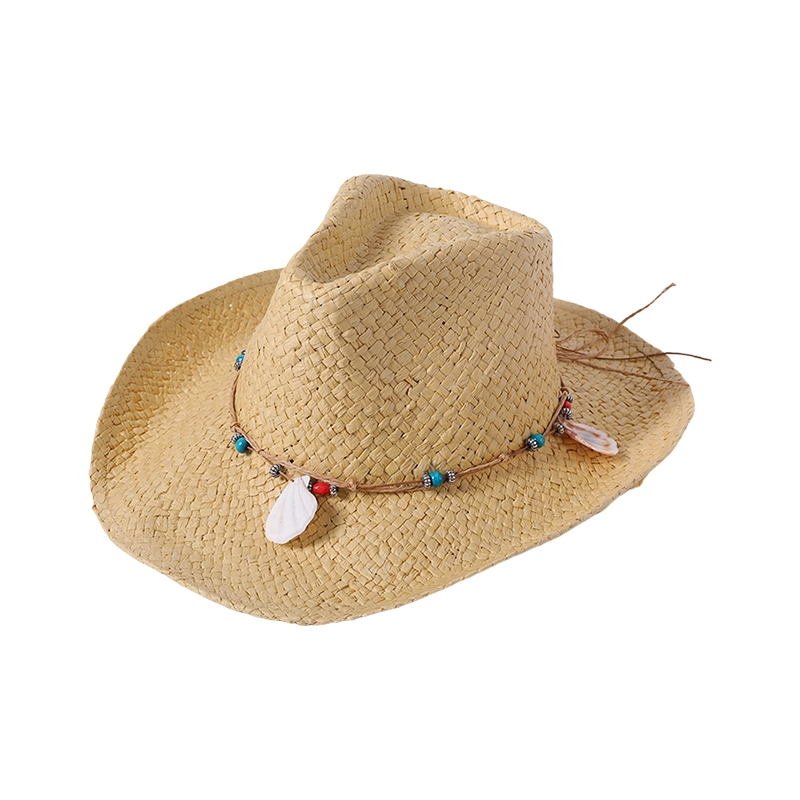
A simple straw hat can look quite different depending on its finishing details. Trim, stitching, woven bands, and small decorative accents provide opportunities to adapt the same general silhouette to different customer preferences.
| Design element | Styling character | Product consideration |
| Plain woven finish | Simple and understated | Inspect weave consistency and edge finishing. |
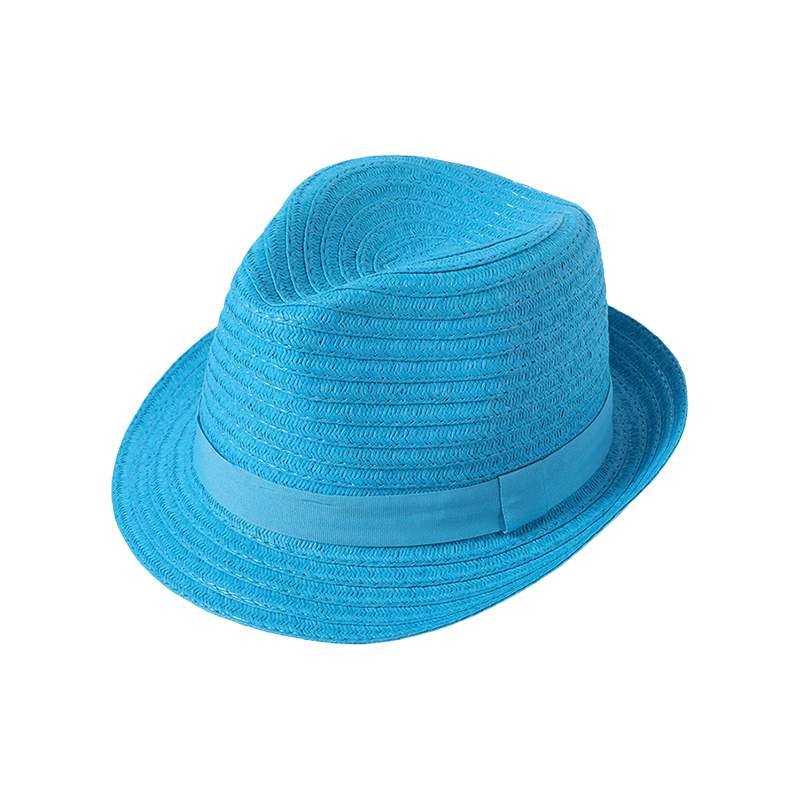
| Fabric hatband | Soft and coordinated | Check band width, attachment, and colorfastness. |
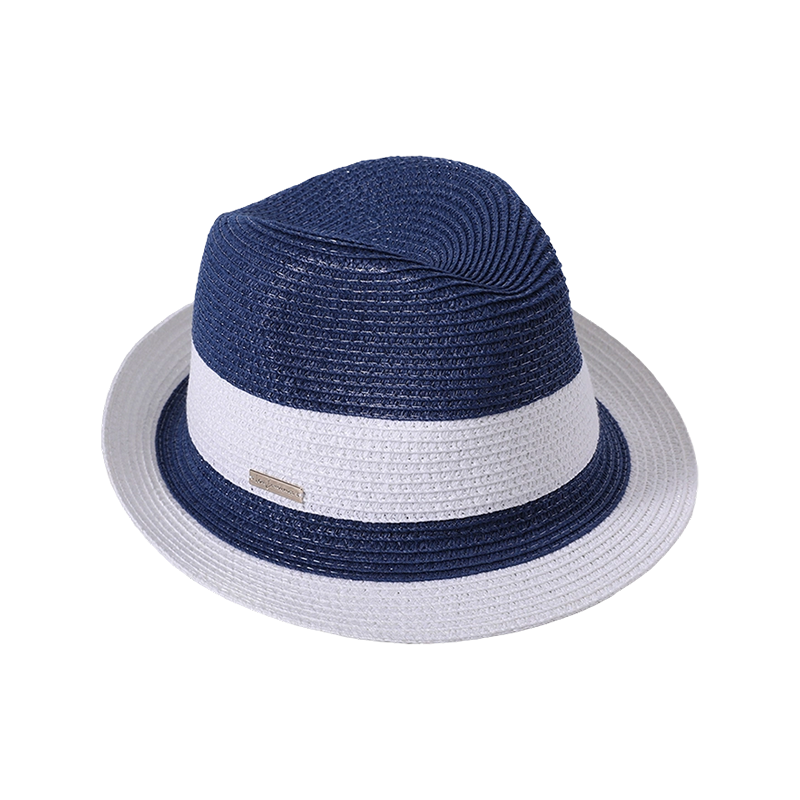
| Contrasting trim | Distinctive and graphic | Assess color coordination and seam quality. |
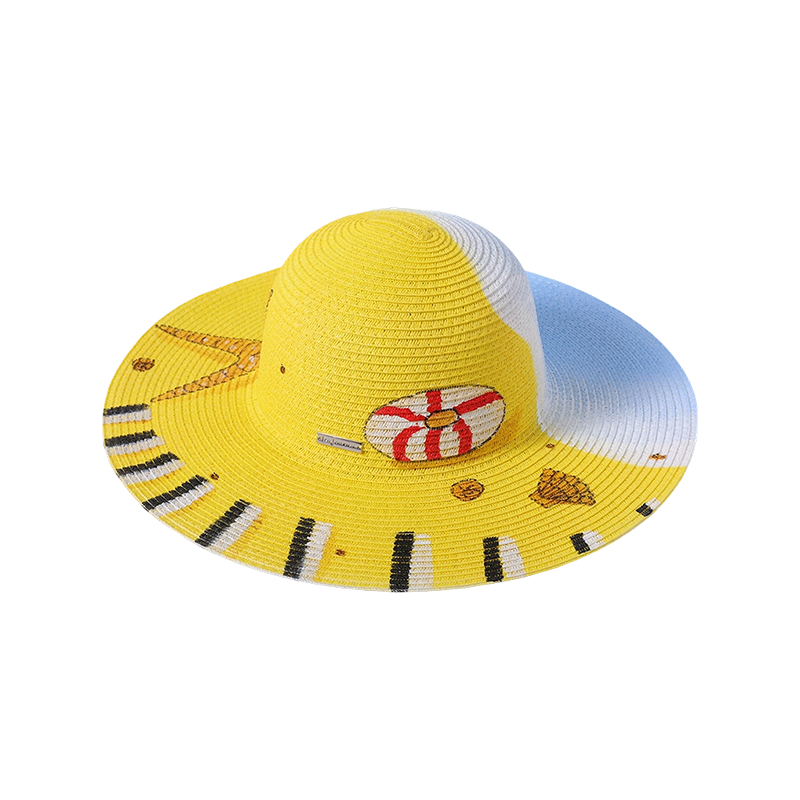
| Small decorative accents | Playful or feminine | Review attachment security and placement. |
| Decorative stitching | Craft-inspired appearance | Check stitch consistency and loose threads. |
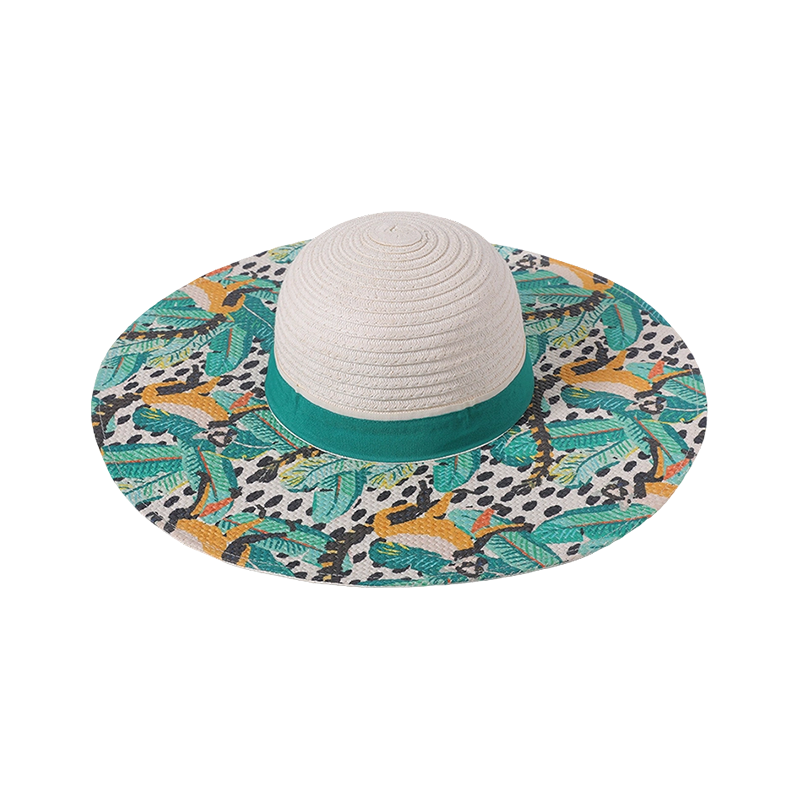
Minimal decoration works well with patterned dresses because it avoids competing with the fabric print. A hat with a contrasting band can add definition to a monochromatic outfit. Retailers may also consider different trim colors for the same base design, subject to production capabilities and order requirements.
Decorative components should remain secure during normal handling. For wholesale orders, sample approval should cover the appearance and placement of each detail, as well as the consistency of those details across production batches.
6. Match the Hat to the Occasion
Casual summer clothing covers a broad range of settings, from beach trips and sightseeing to outdoor lunches and weekend shopping. A straw bucket hat can fit several of these situations, although material, brim structure, and trim should match the intended use.
- Beach outings: Pair a relaxed woven hat with swimwear, a light cover-up, and a spacious beach tote. Check whether the hat includes a chin cord for breezy conditions.
- City walks: Combine a compact silhouette with straight-leg jeans, a cotton shirt, and comfortable walking shoes.
- Outdoor lunches: Coordinate a medium-brim design with a linen dress, a skirt, or a matching two-piece set.
- Travel days: Consider the hat's weight, packability, shape retention, and storage requirements before placing it in luggage.
- Garden gatherings: Use restrained trim and coordinated colors to complement floral prints or soft-toned clothing.
Sun coverage deserves separate consideration. Brim dimensions and the weave structure influence the shaded area, but a straw hat should not be assumed to provide a specific ultraviolet protection rating without relevant testing. Consumers spending extended periods outdoors should also consider sunscreen, sunglasses, and other suitable sun-protection measures.
7. Product Specifications Buyers Should Review
Appearance attracts attention, but measurable product details help buyers assess whether a hat fits their intended market. Importers, distributors, and private-label brands can use a structured checklist to compare samples and communicate requirements to suppliers.
| Specification | What to confirm | Why it matters |
| Material composition | Exact fiber or straw material | Influences texture, handling, and care requirements. |
| Head circumference | Measurement in centimeters | Helps determine size compatibility. |
| Crown height | Measurement in centimeters | Defines fit and overall proportions. |
| Brim width | Measurement around the brim | Affects silhouette and coverage. |
| Hat weight | Net weight per piece | Supports shipping calculations and product comparisons. |
| Trim and color | Approved color references and materials | Improves consistency across repeat orders. |
| Packaging | Individual packing and carton dimensions | Helps manage storage and transport. |
Exact dimensions, material composition, weight, and customization options vary by model. Buyers should request a current specification sheet and approved sample rather than rely on generic measurements for an entire product category.
8. Wholesale and Private-Label Considerations
Retailers and distributors need more than a visually appealing sample. Product consistency, packaging, order quantities, and communication about customization all influence the suitability of a hat for a commercial collection.
Questions to Discuss with a Supplier
- Available models: Ask about crown shapes, brim variations, colors, and existing trim options.
- OEM and private-label services: Confirm whether custom labels, logos, hatbands, or packaging can be supplied.
- Minimum order quantity: Request the MOQ for standard models and customized orders separately.
- Sample approval: Confirm how dimensions, materials, colors, and decorative details will be checked before bulk production.
- Packaging and shipping: Discuss carton dimensions, packing methods, delivery terms, and estimated lead times based on the order.
- Quality inspection: Agree on checks for shape consistency, weave defects, loose trim, and measurement tolerances.
Clear product requirements help buyers compare supplier quotations on a consistent basis. They also provide a reference for evaluating production samples and inspecting finished goods before shipment.
Small Details Shape the Final Look
A straw bucket hat does not need elaborate decoration to make casual summer clothing feel more considered. Brim proportions establish the silhouette, woven texture adds depth, natural colors coordinate with everyday fabrics, and crown shape influences the way the hat sits on the head. Finishing details then give the design a distinct personality.
Consumers can begin with the clothing they already wear and compare hat shapes, textures, and colors against those pieces. Buyers developing a retail range can apply the same approach while checking measurable specifications, material details, sample consistency, and customization requirements.
The result is a more informed approach to summer hat styling and product selection. By paying attention to the details behind the design, shoppers and B2B buyers can identify straw bucket hats that suit their intended appearance, use, and market requirements.

Contact Us
-
Add:
Linchuan Industrial Zone, Songmen Town, Wenling City, Taizhou City, Zhejiang Province, China -
Phone:
+86-13906563499 -
Wechat:
+86-13906563499 -
Email:
Lois@zjkjcrafts.com
Send Us
an Inquiry
Copyright © Zhejiang Kaijia Craft Co., Ltd. All Rights Reserved.

OEM Handmade Crafts Manufacturer