

 En
En  Español
 中文简体
中文简体
Submit feedback
Industry News
 Home / News / Industry News / What Are the Differences Between Sustainable Raffia Straw Hats and Others?
 What Are the Differences Between Sustainable Raffia Straw Hats and Others?
 2026.02.24
 Industry News
Material Sourcing: Eco-friendly vs. Conventional Production
The main distinction between sustainable raffia straw hats and others lies in the sourcing of materials. Sustainable raffia straw hats are made from raffia fibers harvested from the raffia palm, but with a focus on ethical and eco-friendly practices. These practices include sourcing raffia from sustainable plantations where the palm trees are managed to ensure minimal environmental damage, biodiversity preservation, and fair labor practices.
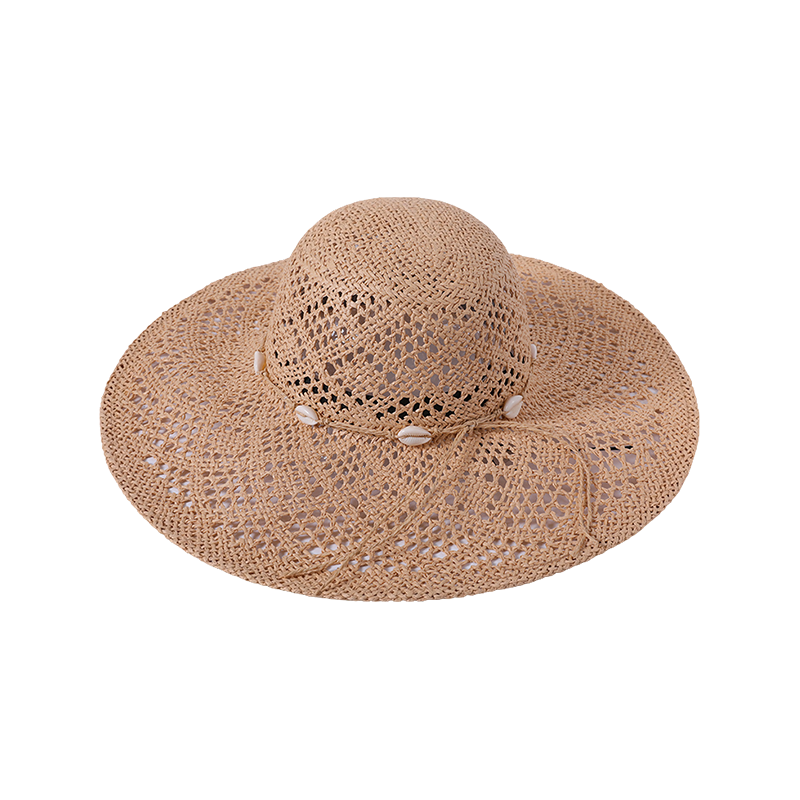
On the other hand, traditional raffia straw hats may use raffia fibers from unsustainable sources. In many cases, the raffia palm is harvested irresponsibly, with little consideration for its ecological impact. This can bring about deforestation, soil degradation, and exploitation of workers. Additionally, some non-sustainable raffia production processes involve the use of harmful chemicals for dyeing or treating the fibers, further contributing to environmental harm.
Sustainable raffia straw hats prioritize ethical sourcing, ensuring that the materials used are not only eco-friendly but also support fair wages and safe working conditions for the artisans involved in the production process.
Environmental Impact: Waste and Carbon Footprint
Sustainable raffia straw hats are designed with the environment in mind, focusing on reducing waste and their carbon footprint. One of the significant advantages of sustainable raffia is that it is biodegradable, making it an ideal choice for eco-conscious consumers. Unlike synthetic straw materials, which are often made from plastic-based fibers that can take hundreds of years to break down, raffia straw naturally decomposes without leaving behind harmful residues.
In addition to being biodegradable, sustainable raffia straw hats are often produced using low-impact processes. These processes involve minimal energy consumption and the use of non-toxic dyes and finishes. As a result, the overall environmental footprint of sustainable raffia hats is significantly lower compared to hats made from synthetic materials, such as polyester or acrylic, which are derived from petroleum-based sources.
Traditional raffia straw hats may not adhere to the same environmental standards. For example, mass-produced raffia hats may involve high-energy manufacturing processes, excessive use of water, and the application of synthetic chemicals, which contribute to pollution and waste. Sustainable raffia hats, on the other hand, aim to reduce these impacts by focusing on ethical and environmentally conscious production methods.
Sustainable Raffia Straw Hats: Features and Advantages
Durability and Longevity
Sustainable raffia straw hats offer a high level of durability and longevity, thanks to the natural strength of the raffia fibers. These hats are known for their resilience, capable of withstanding prolonged exposure to sunlight, moisture, and wear without deteriorating quickly. The sturdy fibers of sustainable raffia are woven tightly, creating a strong structure that maintains its shape even after extended use.
While traditional raffia straw hats also offer some durability, those made with non-sustainable raffia may not be as well-constructed or long-lasting. Synthetic alternatives, such as plastic or acrylic-based straw hats, tend to degrade more quickly over time, especially when exposed to UV light or rough handling. This makes sustainable raffia straw hats a more reliable and long-lasting investment for those seeking both style and durability.
Additionally, the natural fibers in sustainable raffia straw hats have a unique ability to become more flexible with age, making them more comfortable to wear over time. As the material softens, the hat molds to the wearer's head, providing a customized fit without compromising its structural integrity.
Aesthetic Appeal and Customization
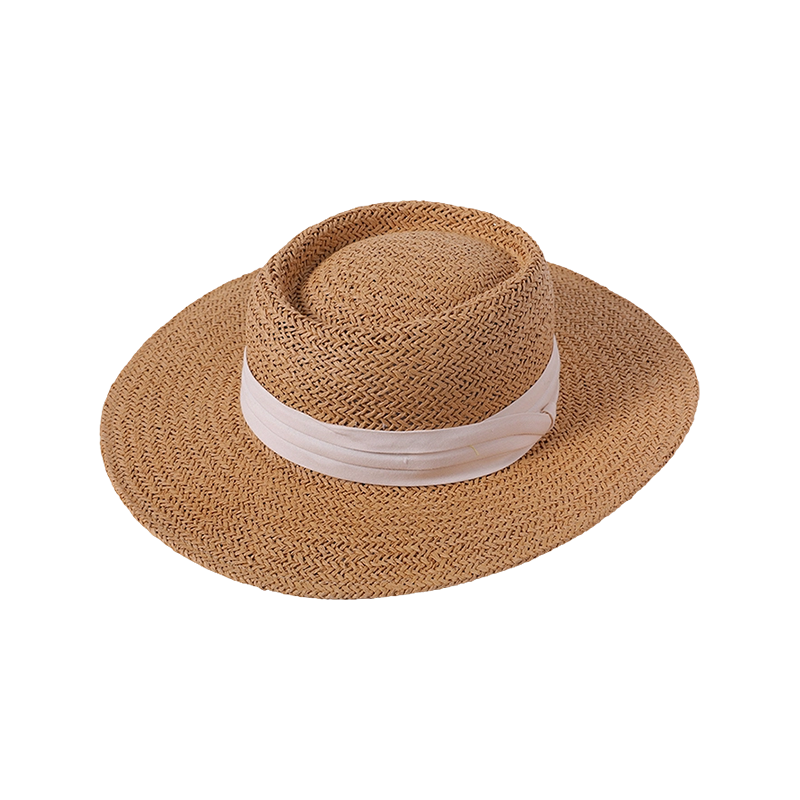
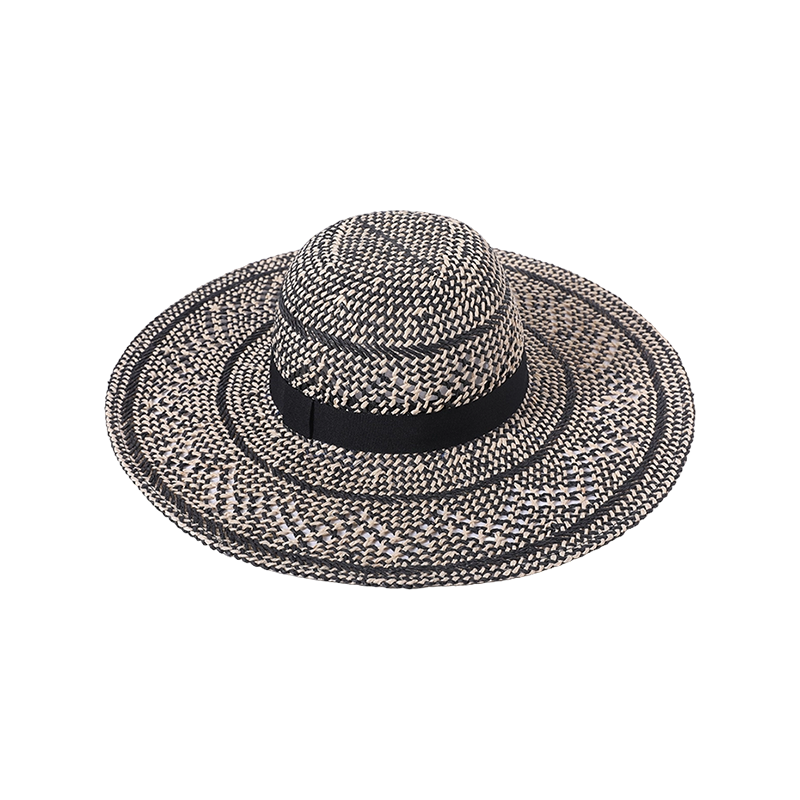
Sustainable raffia straw hats retain the natural, rustic aesthetic that has made raffia a popular choice for headwear. The material's light, neutral color and smooth texture create a sophisticated and timeless look. Moreover, sustainable raffia hats often feature handwoven designs, which add an artisanal touch that mass-produced hats cannot replicate.
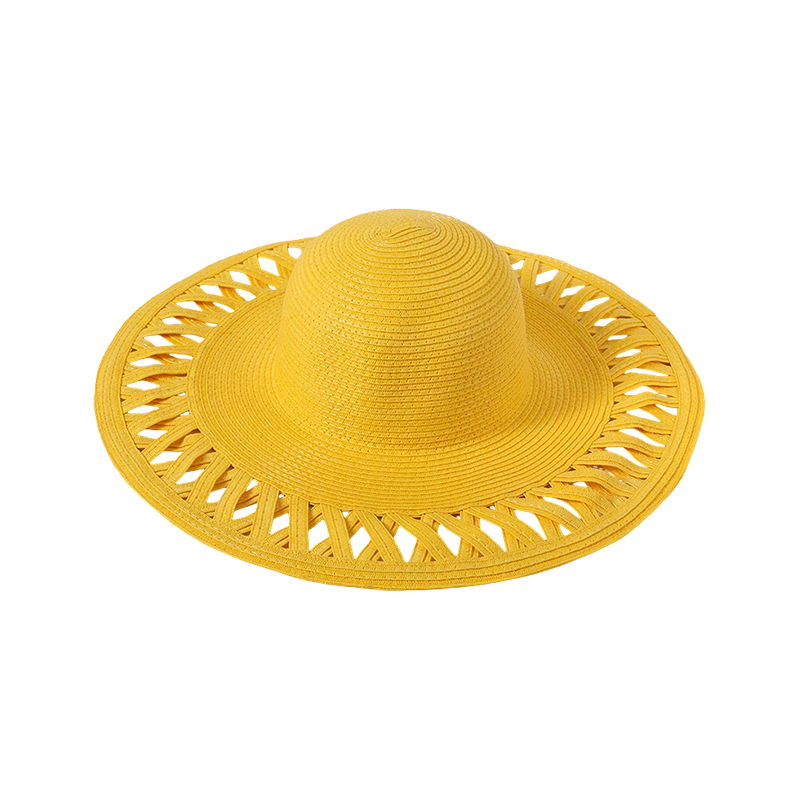
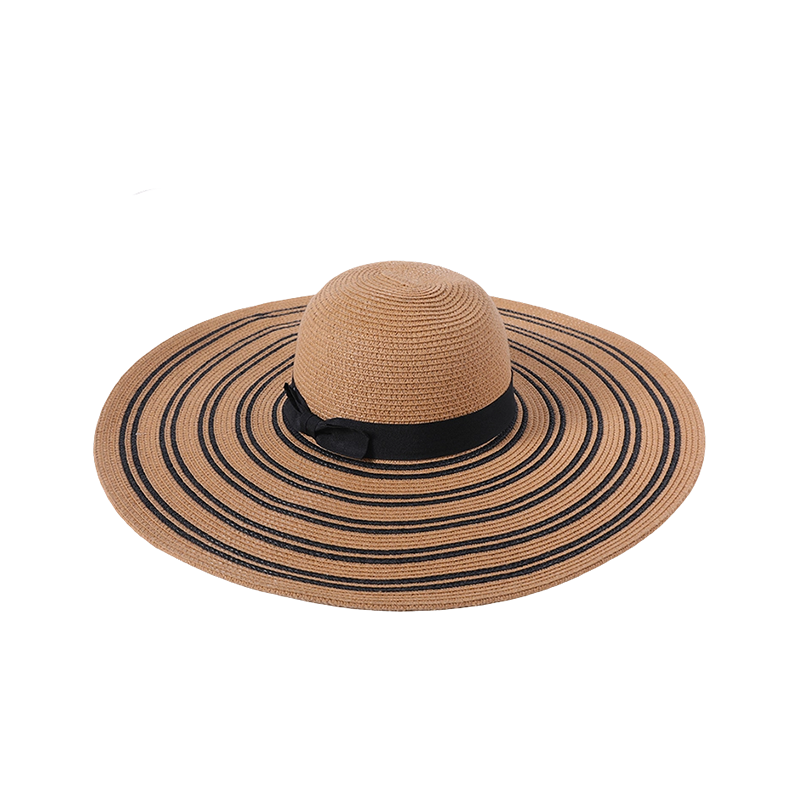
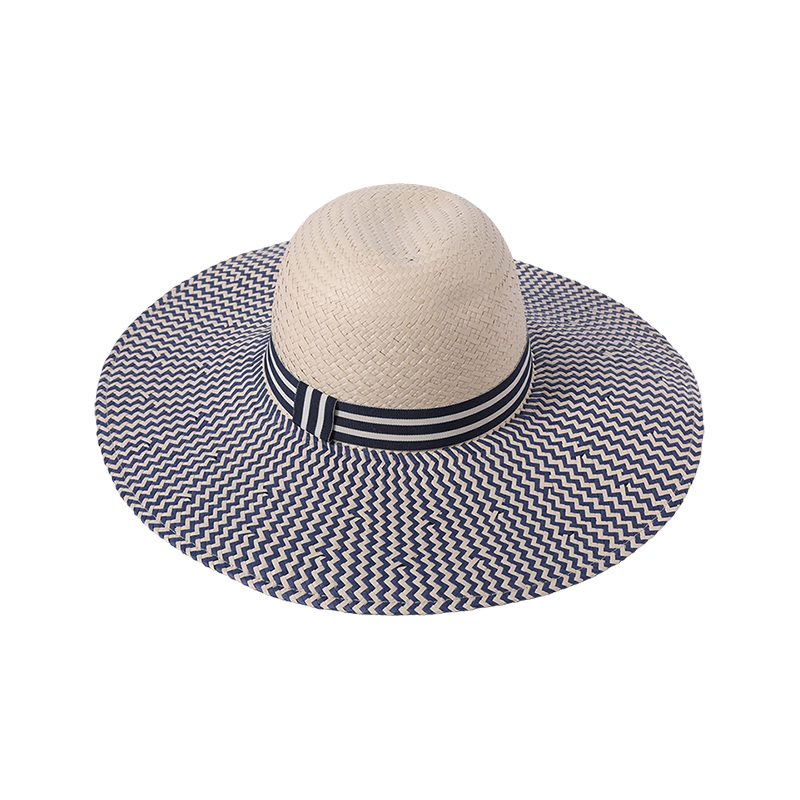
Customization options are also abundant with sustainable raffia straw hats. Due to the natural properties of raffia, these hats can be easily dyed using non-toxic, eco-friendly methods. Whether through hand-painting, the addition of decorative ribbons, or unique weaving patterns, sustainable raffia hats can be customized to suit individual tastes and needs. This level of personalization ensures that each hat is not only unique but also made with a focus on sustainable materials and methods.
Hats made from synthetic fibers or conventional raffia may not offer the same level of customization or aesthetic appeal. Synthetic materials can look artificial and lack the organic texture that natural raffia provides. Traditional raffia hats, if not made sustainably, may also lack the craftsmanship and attention to detail found in their eco-friendly counterparts.
Ethical Production and Fair Labor Practices
One of the primary advantages of sustainable raffia straw hats is the focus on ethical production and fair labor practices. Many companies that produce sustainable raffia hats work directly with artisans in developing countries, ensuring that workers are paid fairly for their craftsmanship and are working in safe, humane conditions. These artisans often use traditional weaving techniques passed down through generations, which further supports local cultures and preserves valuable craftsmanship.
Mass-produced raffia hats or those made with synthetic materials often rely on low-wage labor or exploitative working conditions in some regions. The production process may also lack transparency, leaving workers vulnerable to poor treatment. Sustainable raffia straw hats, therefore, stand out not only for their eco-friendliness but also for their commitment to supporting local economies and promoting social responsibility.

Contact Us
-
Add:
Linchuan Industrial Zone, Songmen Town, Wenling City, Taizhou City, Zhejiang Province, China -
Phone:
+86-13906563499 -
Wechat:
+86-13906563499 -
Email:
Lois@zjkjcrafts.com
Send Us
an Inquiry
Copyright © Zhejiang Kaijia Craft Co., Ltd. All Rights Reserved.

OEM Handmade Crafts Manufacturer